Dental anxiety: when fear becomes a barrier to care
Why so many people avoid the dentist and what modern, patient-centred care can do about it
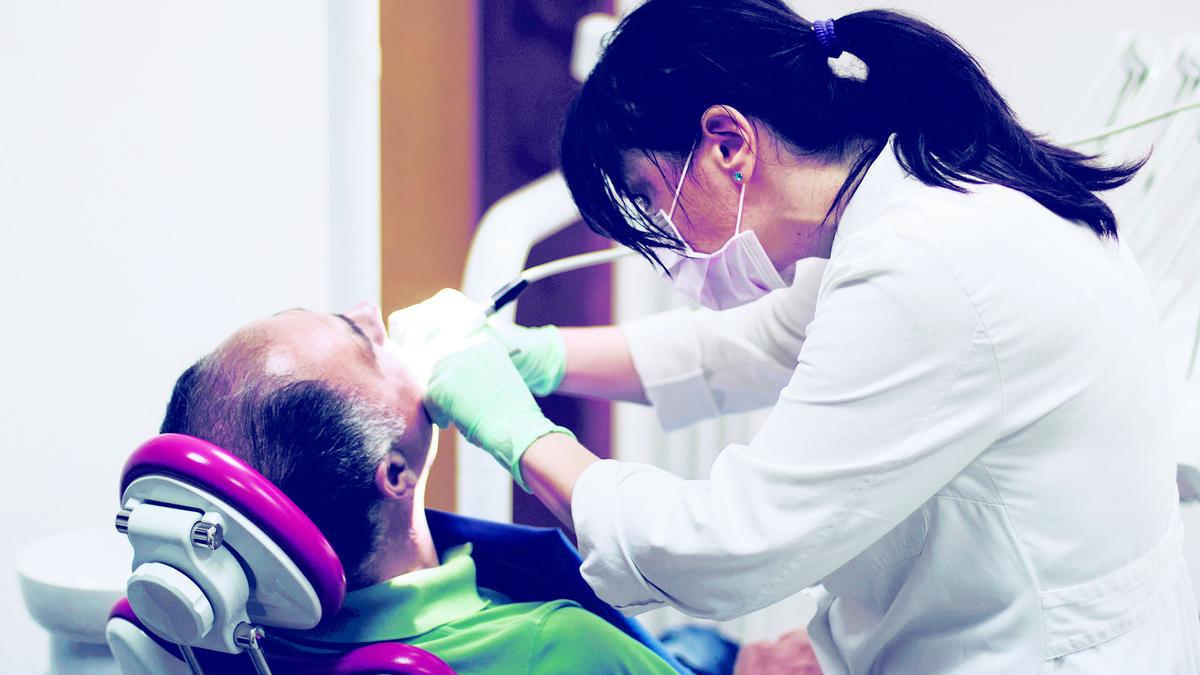
Dental anxiety is a prevalent issue affecting many people, with roughly one-third of individuals experiencing significant fear, and about ten percent having a clinical phobia. This widespread anxiety can lead to delays or avoidance of essential dental care, resulting in severe health consequences. The origins of dental anxiety often stem from painful or poorly executed procedures in childhood or inadequate communication during dental visits.
This fear can persist for decades, even when it is not just a singular event but an accumulation of avoidance and embarrassment about one's dental health. Untreated dental disease burdens the body with chronic inflammation, contributing to cardiovascular issues, irregular blood sugar, and weakened immune function. Beyond the physical health risks, the psychological impact of dental anxiety is significant, affecting sleep, nutrition, concentration, and self-confidence.
To combat these challenges, prioritizing open communication and patient control before any procedure can greatly reduce anxiety levels. Incorporating strategies such as a stop signal, allowing extra time, and providing detailed explanations can transform the dental experience. For patients with severe anxiety, pharmacological options like nitrous oxide or oral sedation are available, making dental care more accessible and less intimidating.
It is essential to remember that fear is not insurmountable, and seeking help, even with a single conversation, can lead to a more manageable and healthier dental experience.
Written by urgent.news from The Hindu - Sci-Tech's reporting — not their text. Machine-written — may contain errors; check the original before relying on it.
This story
This is one outlet's version. Read the fullest account.
- Dental anxiety: when fear becomes a barrier to care thehindu.com