Clinical Practice in Colombia Confirms Risks of Prolonged Senna Leaf Consumption
Some people have a practice of using senna leaves as a laxative or to lose weight. However, academia maintains that they do not eliminate fat. Their effect increases the loss of water and electrolytes, and when consumption is prolonged, they can affect the liver. These risks were demonstrated during a clinical practice by Pharmacy students […]
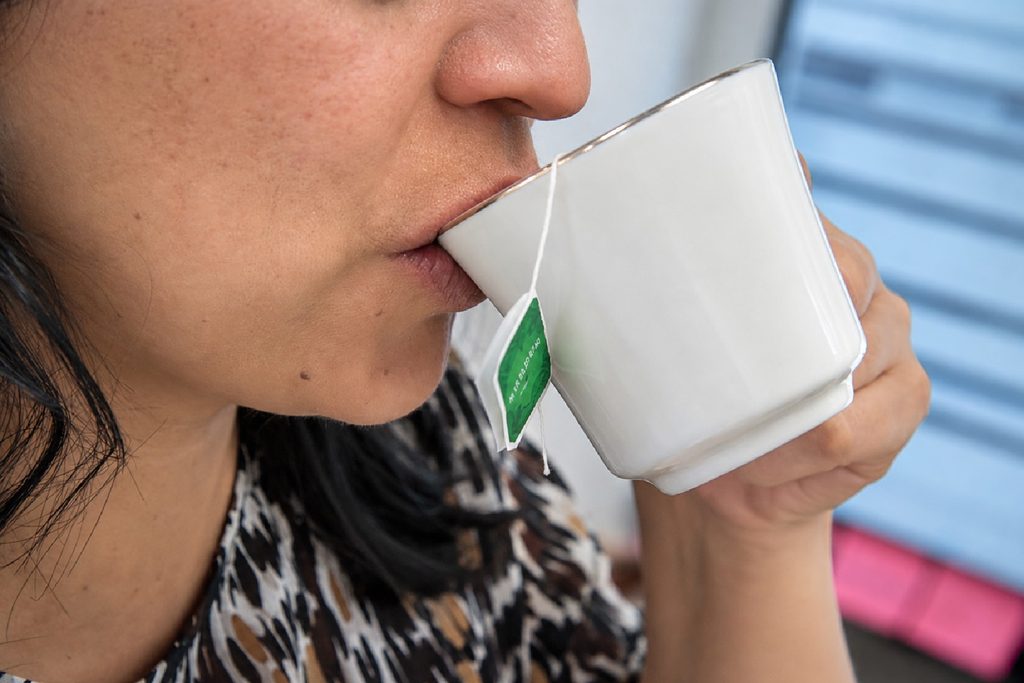
Prolonged consumption of senna leaves can lead to severe liver damage, according to a clinical practice conducted by Pharmacy students from the National University of Colombia (UNAL) at La Samaritana University Hospital in Bogota. The students analyzed the case of a 58-year-old woman who had been drinking senna leaf infusions to lose weight for nearly a year.
Despite losing weight, the woman ultimately suffered liver cirrhosis, liver lesions, and potential hepatocarcinoma (malignant tumor). Senna leaves contain compounds called anthraquinones, which stimulate the colon's movements and alter water and electrolyte absorption, causing soft stools and frequent bowel movements. These effects, while helpful as a laxative, can lead to significant fluid and electrolyte loss, hindering proper nutrient absorption.
Additionally, some plant metabolites are highly reactive and can harm liver cells, disrupting energy production and causing serious liver damage over time. This case highlights the risks of relying on herbal remedies and the importance of considering patients' cultural practices in healthcare, as well as the need for pharmaceutical chemists to fully understand each patient's context when evaluating the safety of natural products.
Written by urgent.news from Colombia One's reporting — not their text. Machine-written — may contain errors; check the original before relying on it.