Assam, Meghalaya villagers join hands to oppose States’ joint hydropower project
Residents of villages along the Kulsi River gather under the banner of Assam-Meghalaya Joint Protection Committee, saying the dam would affect 46 villages
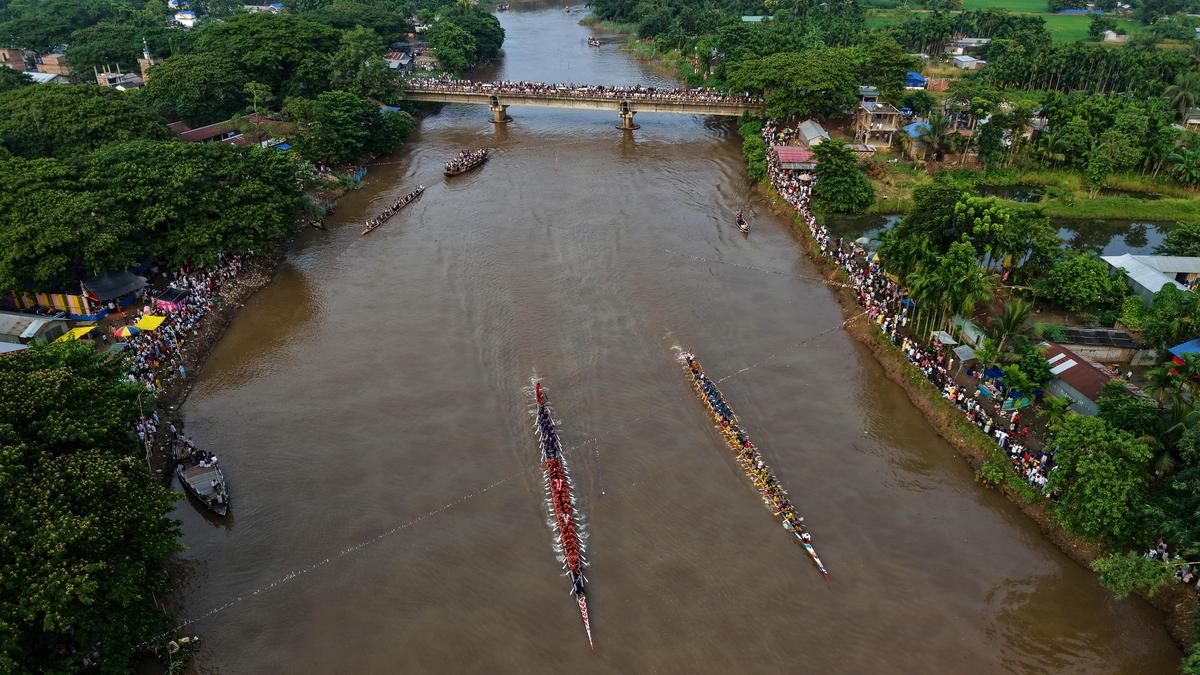
Villagers from Assam and Meghalaya, residing along the Kulsi River, united in their opposition to a joint hydropower and irrigation project proposed by the governments of both states. In June 2025, Assam and Meghalaya unveiled plans for a 55-megawatt project at the Kulsi's confluence, which also serves as the tributary of the Brahmaputra. The dam, situated at the Assam-Meghalaya border near the town of Ukiam, is approximately 80 km southwest of Guwahati.
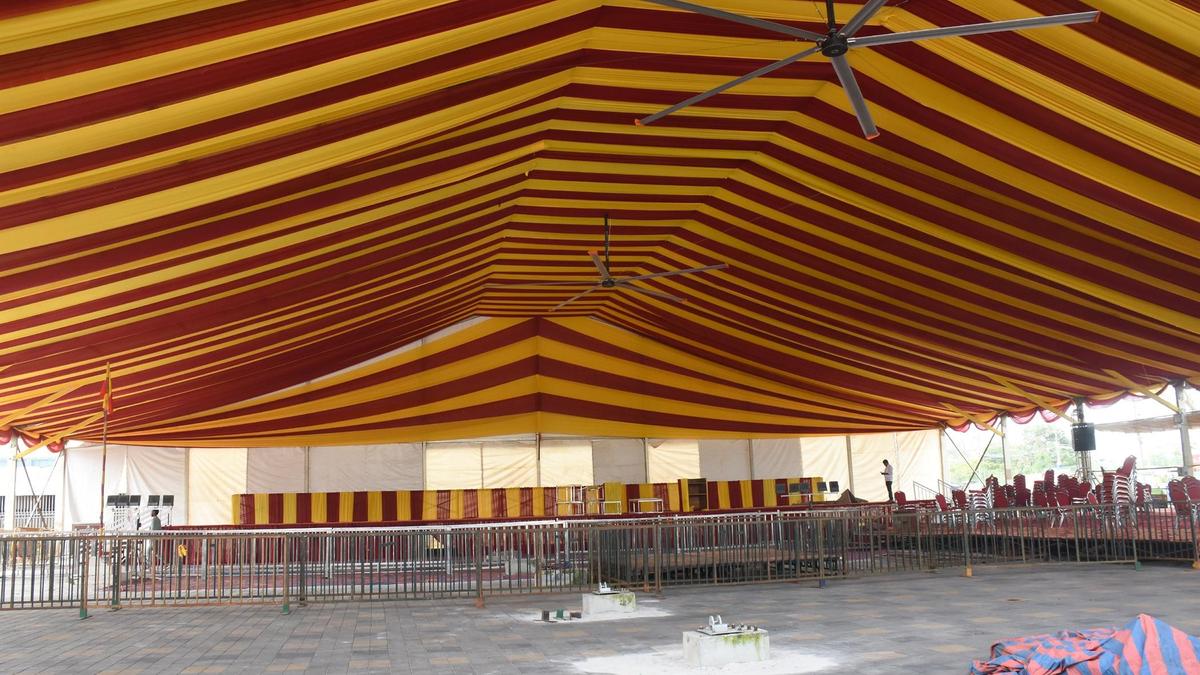
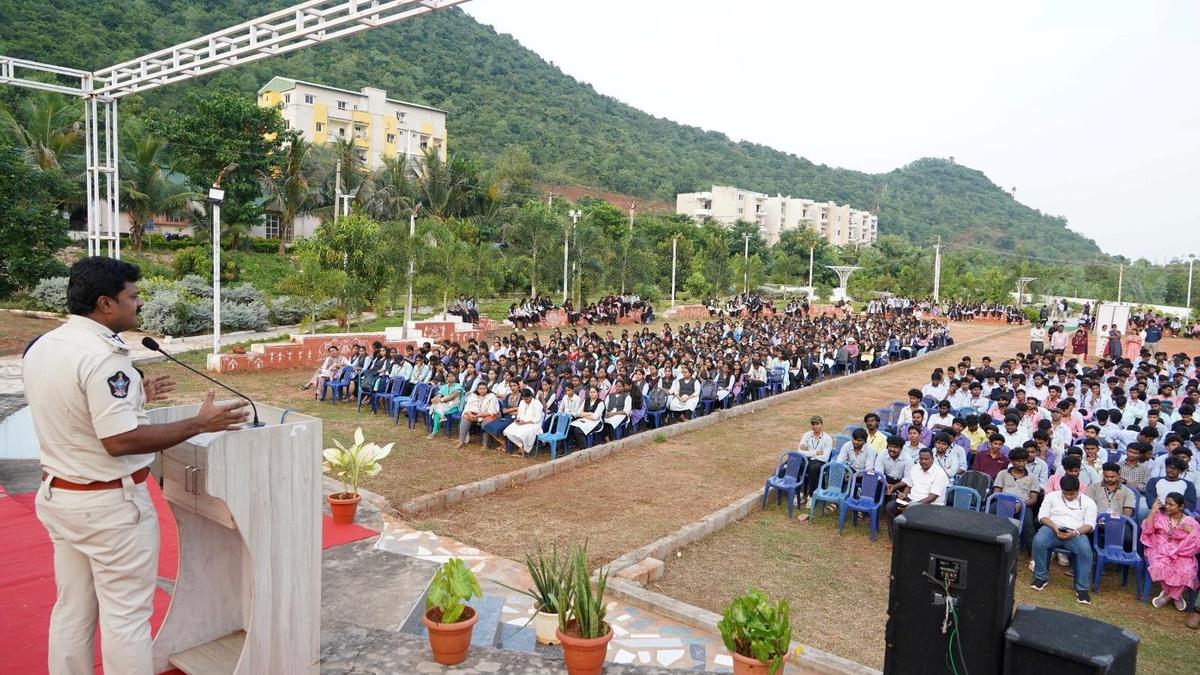
On October 8, 2026, over 2,000 representatives from the indigenous Bodo, Garo, Khasi, and Rabha communities assembled at Ukiam to reaffirm their dissent against the proposed project. The Assam-Meghalaya Joint Protection Committee (AMJPC), established in 2025 to coordinate this opposition, organized the protest rally. Traditional chiefs from Nongkhlaw, Nongmynsaw, and Rambrai assured the villagers that they would not grant consent for the hydropower project, citing that such consent is required from the traditional chiefs, who are the custodians of their respective areas.
Albert Nonglang, president of the AMJPC, highlighted that the proposed dam would impact 46 villages across the two states and argued that monetary compensation would not sufficiently address the long-term consequences of displacement for the indigenous communities. The project's potential ecological and social implications were also emphasized. Assam-based AMJPC members stressed the importance of consulting local communities and traditional institutions before proceeding with any project.
The Ministry of Jal Shakti claimed that the project would irrigate approximately 26,000 hectares and mitigate floods, while generating 55MW of power. The Brahmaputra Board estimated the project's cost at ₹1,454.95 crore based on June 2017 price levels.
Written by urgent.news from The Hindu - Sci-Tech's reporting — not their text. Machine-written — may contain errors; check the original before relying on it.