‘You decided to evade them’: Former HSBC banker ‘clearly in a financial position to pay’ banned from finance for dodging $7,800 in fares
Joseph Molloy was banned not only from working in regulated financial services but also from the railway operator.
The Financial Conduct Authority (FCA) has imposed a prohibition on Joseph Molloy from working in regulated finance due to his involvement in a fraudulent scheme that resulted in a railway operator losing £5,911, or approximately $7,800. Molloy, a former HSBC banker, was barred from engaging in any activities related to regulated activities performed by authorized persons, exempt persons, or exempt professional firms. The ban was issued on October 1, following a final notice from the FCA.
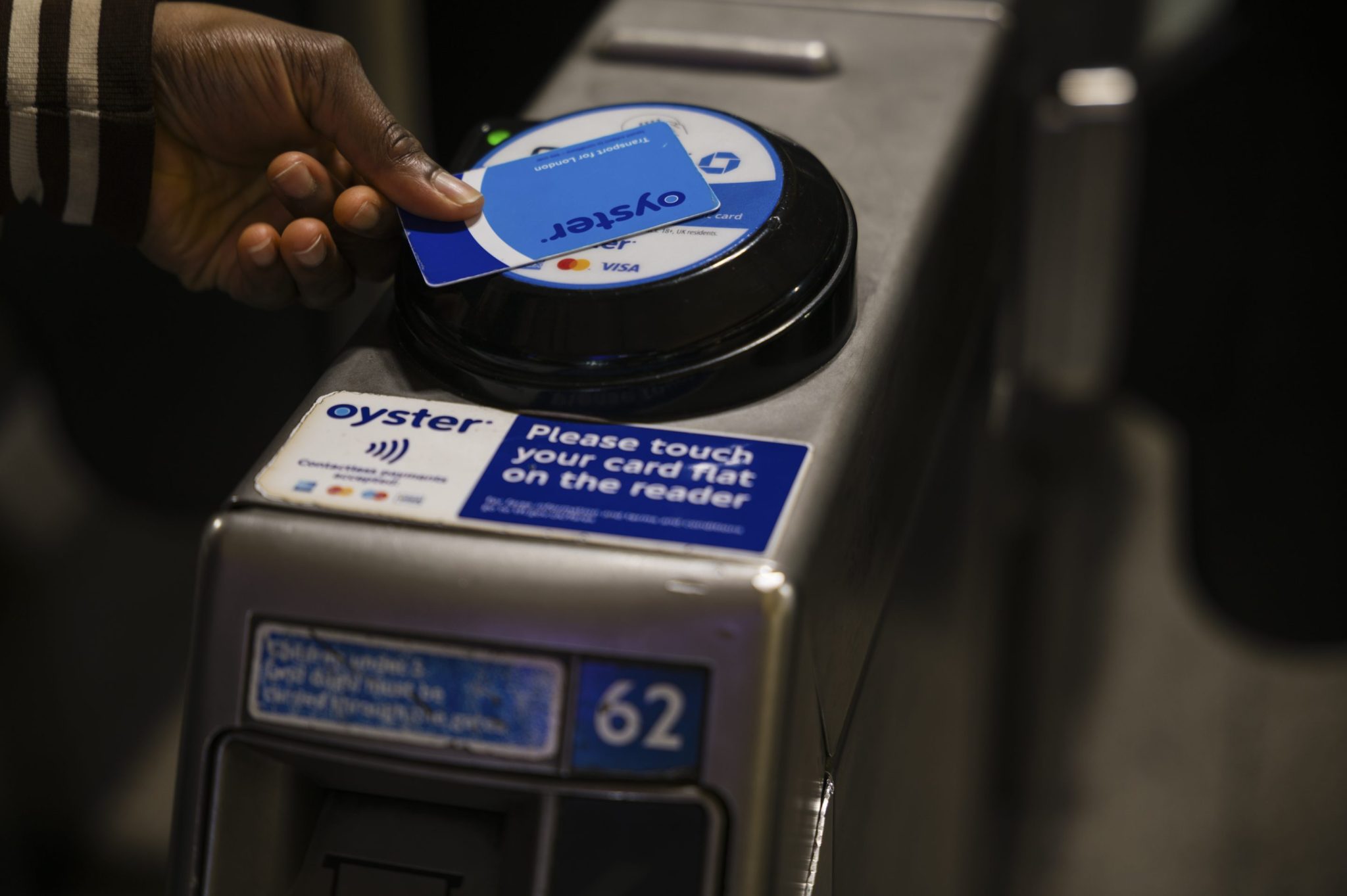
Between October 2023 and September 2024, Molloy established two accounts with SE Trains Limited, the operator known as Southeastern, using false identities, addresses, and email addresses. He employed a technique called "donutting," which involved paying for two short trips at the beginning and end of each journey while avoiding the fare for the middle section.
He engaged in this practice for at least 740 journeys. In January of this year, Molloy pleaded guilty to fraud by false representation under the Fraud Act 2006 and received a 10-month prison sentence, which was suspended for 18 months. The court also imposed a 12-month ban on Southeastern, 80 hours of unpaid work, 10 rehabilitation activity days, and ordered him to pay £5,000 in compensation, £150 in costs, and a £187 victim surcharge.
The judge at Molloy's sentencing described the fraud as "sophisticated and determined," emphasizing that Molloy was clearly in a financial position to pay the fares but chose to evade them, causing a loss to society. The judge deemed this an act of high culpability due to its complexity, planning, and duration over nearly a year.
The judge also considered mitigating factors, such as Molloy's difficult personal circumstances, his willingness to stop the fraud on his own, and his genuine remorse, which influenced the length of the prison term and the decision to suspend it.
The FCA, which can ban individuals who do not meet the criteria of being "fit and proper" for regulated finance, cited honesty, integrity, and reputation as key considerations in its decision. The conviction highlights a significant lack of honesty and integrity, rendering Molloy unfit for regulated activities. The FCA provided a decision notice on August 3, and Molloy neither appealed nor referred the matter to the Upper Tribunal within the 28-day window. He also acknowledged that he had fallen below the standards of behavior expected by the Authority.
Written by urgent.news from Fortune's reporting — not their text. Machine-written — may contain errors; check the original before relying on it.