Which cities dominated 2020 voter fraud talk? A city’s Black population was the best predictor
After the 2020 election, online talk of voter fraud zeroed in on cities with large Black populations. A new study suggests these racialized claims found a particularly receptive audience among White Americans who score high in racial resentment.
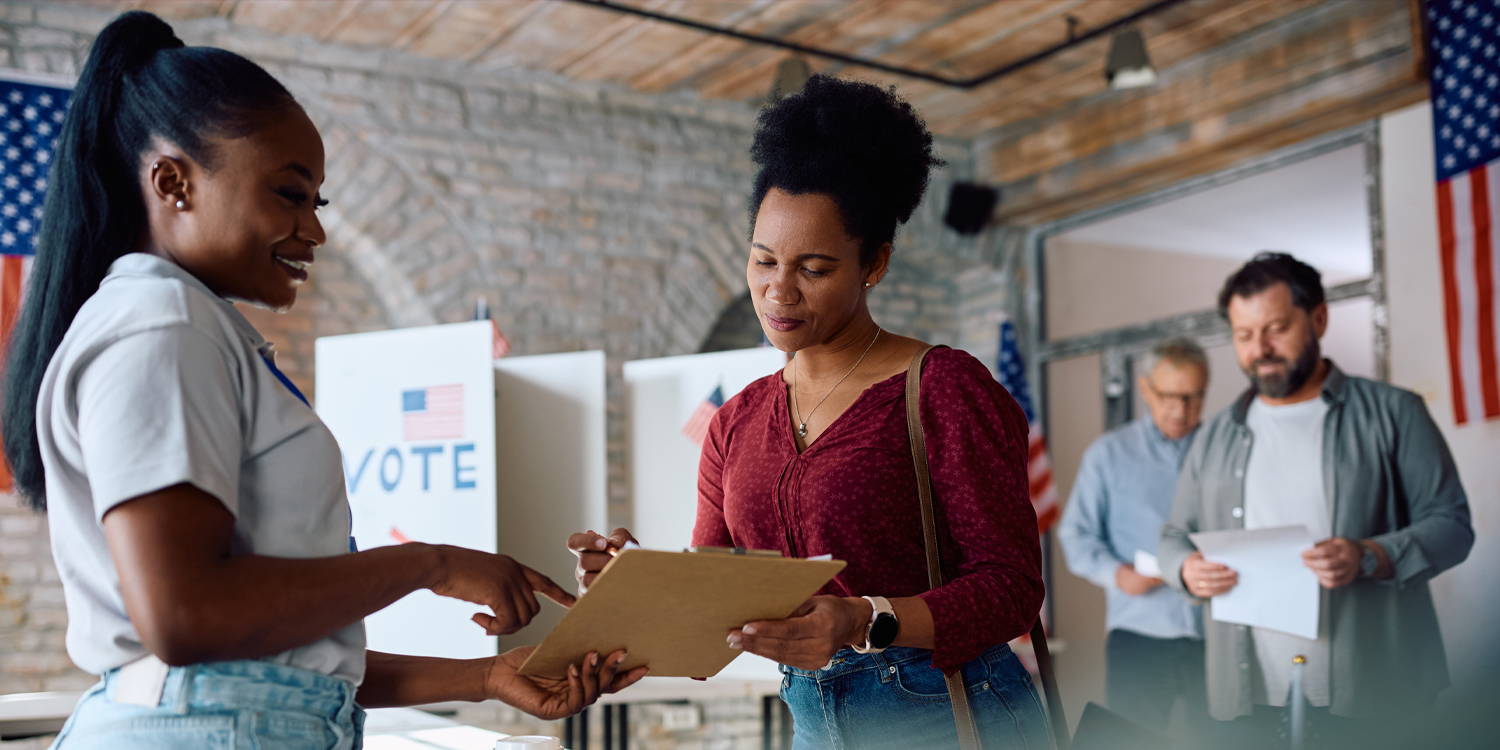
A recent study published in Political Behavior reveals that cities with higher Black populations were disproportionately mentioned in voter fraud discussions on social media during the 2020 U.S. election. The authors of the study, Kevin T. Morris from the Brennan Center for Justice and Ian Shapiro of Tennessee State University, aimed to determine whether racial attitudes amplified the persuasive power of allegations of election fraud among White Americans who harbor racially resentful views.
The researchers analyzed approximately 2.7 million Twitter posts containing the term "voter fraud" from 2020. After isolating around 95,000 posts that mentioned cities with populations of at least 100,000, they discovered that cities with larger Black populations were mentioned far more frequently than would be expected based on their size.
For instance, cities like Detroit, Philadelphia, and Atlanta, which had an average Black population share of about 36 percent, were mentioned 10 times more often relative to their population size compared to other large cities and U.S. municipalities overall.
Statistical models showed that a city's Black population share was the sole reliable predictor of how often it appeared in social media conversations about voter fraud, regardless of the city's voting patterns for Joe Biden or Trump. The authors concluded that racial composition of a city, rather than its voting results, determined its vulnerability to becoming a target for unfounded election fraud narratives.
The study also examined how public narratives of election fraud affected individual attitudes over time. Data from 4,300 White participants in the 2020 Cooperative Election Study were analyzed, focusing on changes in election confidence before and after Election Day. While White Trump supporters generally became less confident in the election after learning of Trump's loss, those who exhibited higher levels of racial resentment showed an even sharper decline in confidence.
Interestingly, racial resentment was not associated with changes in election confidence among White supporters of Biden. This finding suggests that White Trump supporters who harbored racial resentment were more susceptible to believing unsubstantiated claims of election fraud, possibly viewing such narratives as a means to reject election results while maintaining their support for democracy.
The researchers also conducted an online survey experiment, where 1,500 White American adults read a mock news report describing a local event. Those exposed to a story about alleged fraud in a Black city expressed greater skepticism about the integrity of elections compared to those reading about a similar event in a predominantly White city.
Rewritten by urgent.news; may contain errors — check the original.
Source: psypost.org