What is Pitru Paksha, why it is observed in the autumn
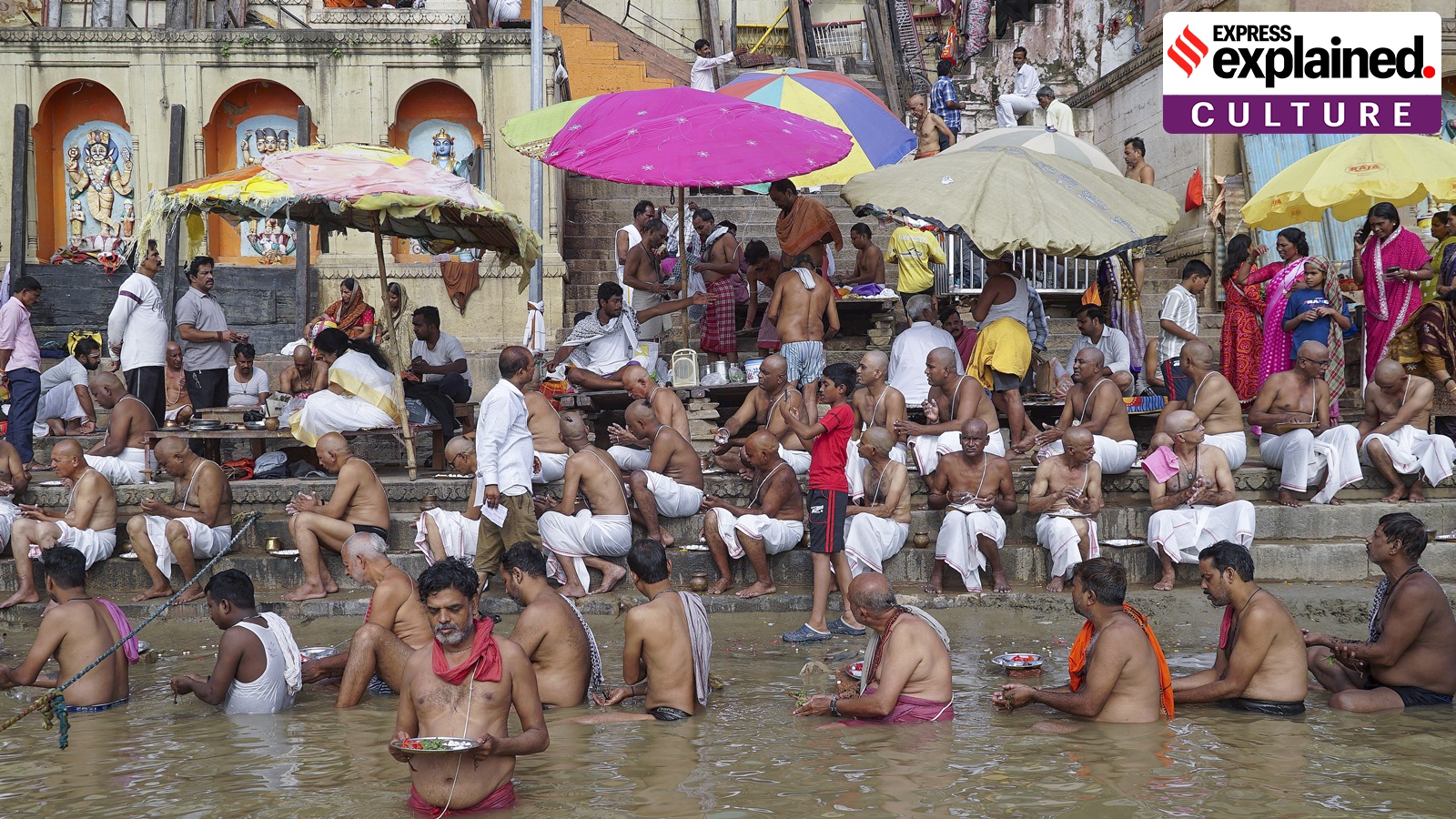
Pitru Paksha, a fortnight-long ritual in Hinduism, concludes on October 10th, making way for the autumnal Mahalaya festival. This observance, which begins on Ashwin Krishna Pratipada, marks the time when offerings are made to deceased ancestors. The belief behind this tradition lies in the concept of Pitru Loka, a realm between Earth and heaven where deceased souls reside.
By conducting shraadh rituals during this time, individuals believe they can help their ancestors transition to heaven. The rituals involve pind daan, or offering cooked grains, and tarpan, the giving of water. Some Hindus abstain from non-vegetarian food and consume only certain pulses during this period. The shraadh rituals, typically performed by men, are timed for different ancestors based on their last rites, with specific days dedicated to women, children, and those who died by weapons.
The origins of Pitru Paksha are believed to be tied to the character Karna from the Mahabharata. Karna, born from the Sun god's mantra, was a generous warrior who refused to fight for his adoptive family, the Kauravas, after learning he was their relative. His spiritual journey, including a return to Earth to perform his ancestral rituals, forms the basis of the Pitru Paksha tradition.
Written by urgent.news from The Indian Express's reporting — not their text. Machine-written — may contain errors; check the original before relying on it.