What Is Mini LED, really? A guide to what separates real performance from the label
TCL explains the key features that distinguish genuine Mini LED performance, including local dimming, dimming-zone count and backlight design.
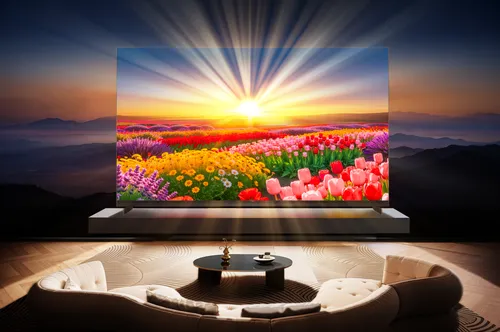
Mini LED is a term that has gained rapid prominence in the television market, often causing confusion among consumers. It refers to a smaller LED chip, approximately one-fifth the size of the LED employed in traditional LCD TVs. This compact chip allows manufacturers to place thousands of them behind the screen, resulting in a far denser arrangement compared to standard LCD TVs.
The density of these LED chips is what makes Mini LED technology worth considering, as it enables more independently controlled zones for backlight brightness, leading to deeper blacks, brighter highlights, and enhanced contrast in scenes with light and shadow. This contrast improvement was previously limited to higher-priced display technologies.
However, the term "Mini LED" only indicates the size of the LED chip and does not provide information about the number of chips used, their arrangement, or the intelligence of their brightness control. Consequently, two television sets labeled as Mini LED may exhibit significantly different picture quality. Three key factors—hardware dimming, zone count, and backlight architecture—determine the actual performance of Mini LED TVs.
These aspects can be verified before purchasing, irrespective of the brand. According to Omdia's global brand Mini LED TV shipment data for the first half of 2026, TCL topped the list globally with 2.43 million Mini LED TV shipments, marking a 77.1% increase compared to the previous year.
Written by urgent.news from IOL's reporting — not their text. Machine-written — may contain errors; check the original before relying on it.
This story
This is one outlet's version. Read the fullest account.