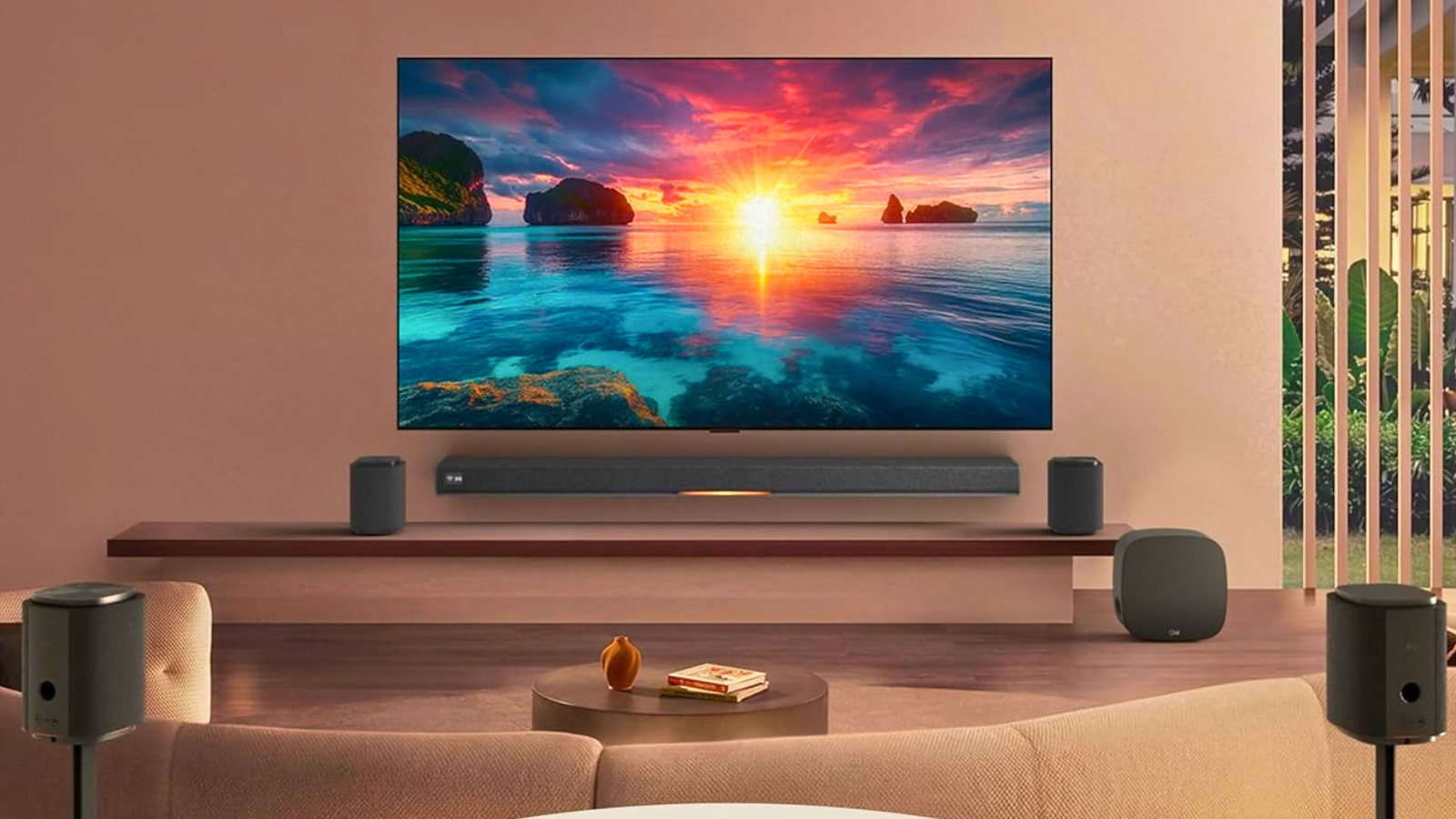
What is Mini LED, really? A guide to what separates real performance from the label
What separates one from the other comes down to three factors, each simple enough to check before buying, regardless of brand.
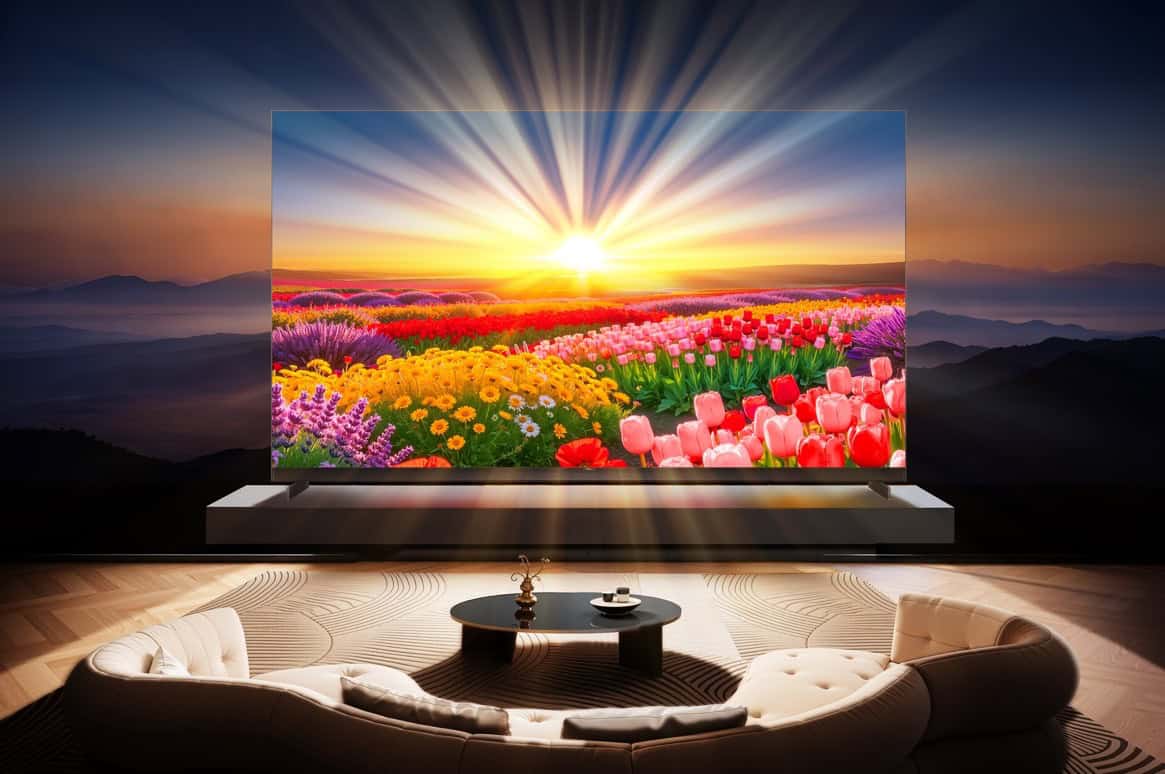
Mini LED has become a confusing term in television marketing, appearing on both high-end and budget models. Its core function lies in its smaller LED chip, which allows for the backlight to be divided into more independently controlled zones behind the screen. This results in deeper blacks, brighter highlights, and greater detail in mixed light and shadow scenes.
However, the "Mini LED" label alone doesn't reveal much about the actual performance differences between televisions. Three key factors distinguish one Mini LED TV from another: hardware dimming, dimming-zone count, and backlight architecture.
Hardware dimming, or local dimming, physically controls the brightness of individual LED clusters, whereas software-based dimming relies on image processing. The former generally provides better contrast and lower light leakage. The number of dimming zones determines how precisely a television separates light from shadow; more zones enable finer brightness control.
Lastly, full array local dimming (FALD) is the most effective backlight architecture, distributing LEDs across the entire back panel with each zone controlled independently. This is the technology behind TCL's Mini LED range, from entry-level to flagship models.
In 2026, TCL led the global Mini LED TV shipment market with 2.43 million units, marking a 77.1% increase year-on-year. When shopping for a television, consumers should inquire about these three factors—hardware vs. software dimming, dimming-zone count, and backlight architecture—to gauge the true Mini LED performance.
Written by urgent.news from The Citizen's reporting — not their text. Machine-written — may contain errors; check the original before relying on it.