What is behind the postponement of Palestinian elections and what happens next?
Under intense pressure to reform, President Mahmoud Abbas vowed 2026 would be the year of diplomacy, announcing that Palestine would hold legislative elections in November and Presidential elections next year. Many doubted they would happen, given past experience. Their fears became reality this week, with sources telling The National that the elections are to be delayed again. The last time this…
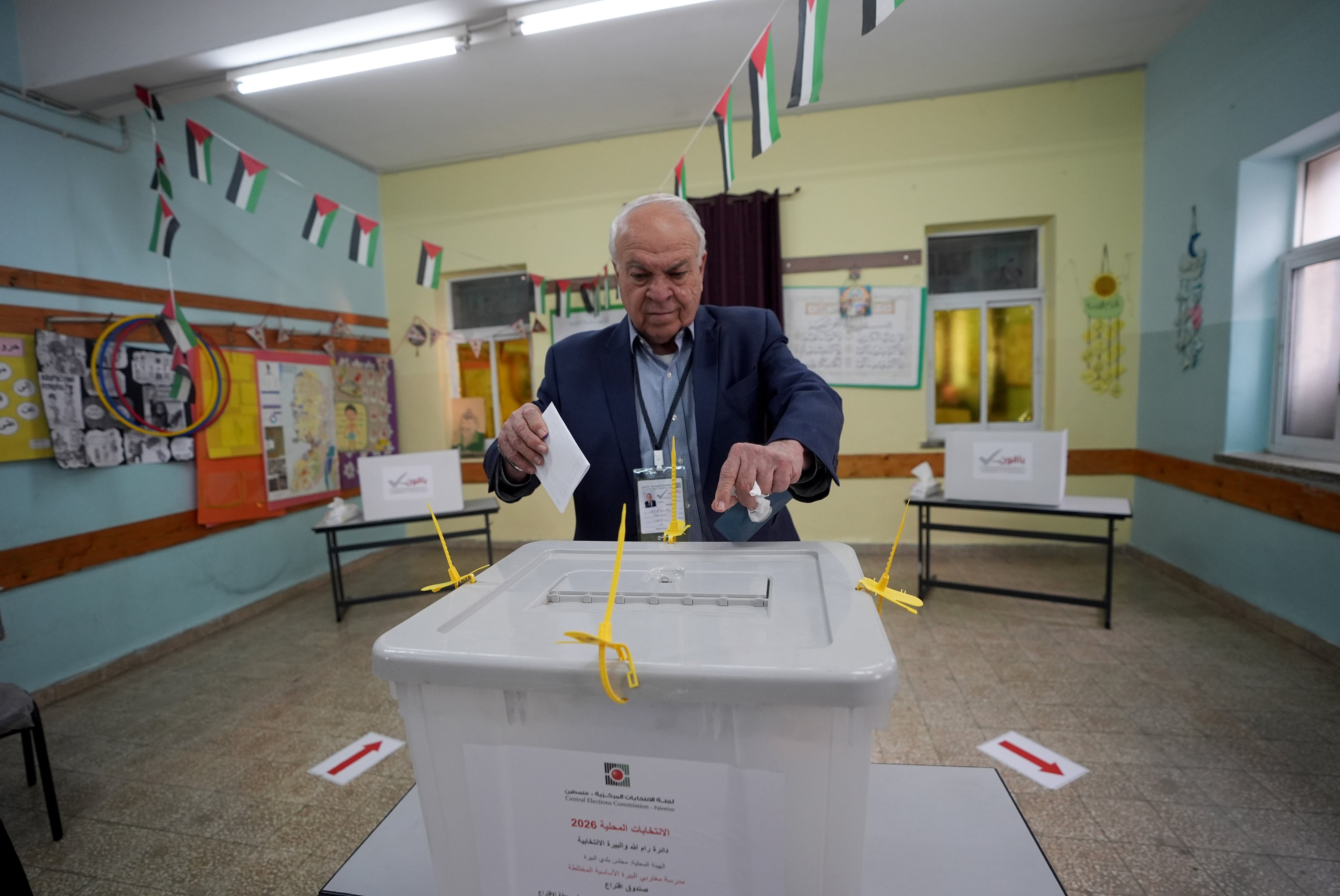
Palestinian President Mahmoud Abbas has postponed the elections for legislative and presidential offices, amid growing pressure to reform and numerous challenges facing Palestine. This comes after a similar postponement in 2021, when Abbas canceled the legislative elections after sparking hope for the revival of the Palestinian government. A Palestinian-Canadian lawyer, Dania Buttu, noted that Abbas has been in power for 17 years beyond his term, ruling by decree, which she describes as "authoritarian rule."
The postponement occurs at a critical time, weakening the credibility of the Palestinian Authority in the face of various challenges, including Israel's occupation of Gaza, rampant settler attacks in the West Bank, and Israel's failure to fulfill international obligations. The conditions for free and fair elections are unlikely to be met in the near future, particularly if Netanyahu's government continues its rule.
Abbas has not secured a clear future for Palestine, as there is no certainty about what will happen after he is gone, unlike when his predecessor, Yasser Arafat, was alive. The President has also bolstered the position of his son and has not established a clear plan for succession. Despite these issues, Abbas has bolstered the role of Vice President and increased the number of decrees issued, bypassing parliamentary approval.
The delay in elections is primarily attributed to holding a national dialogue in Egypt and ending "Palestinian division" before the polls. However, attempts to unite factions have often failed due to disagreements about Palestine's future. Systemic and endemic problems have made it difficult for Palestine to hold elections for decades, with state institutions, finances, and the political scene collapsing under the weight of the ongoing occupation and conflict in Gaza.
An August opinion poll conducted by the Palestinian Centre for Policy and Survey Research found that 79% of Palestinians wanted Abbas to resign. Despite efforts to unite against him, Abbas's dwindling support circle is experiencing anxiety as high-level meetings and tactical alliances between factions seeking to unseat him take place. Abbas's popularity has been severely impacted, leading to the postponement of elections.
Written by urgent.news from The National Business's reporting — not their text. Machine-written — may contain errors; check the original before relying on it.
Also reported by 1 other outlet
- What is behind the postponement of Palestinian elections and what happens next? thenationalnews.com