What are the concerns and priorities behind the new language used to define China-US ties?
When China and the United States agreed in May to frame their relationship as a “constructive relationship of strategic stability”, the phrase left many observers trying to guess what it actually meant. Four months on, they have added an elaboration that offers further insight into the two sides’ respective priorities. After presidents Xi Jinping and Donald Trump met in Washington last month, the…
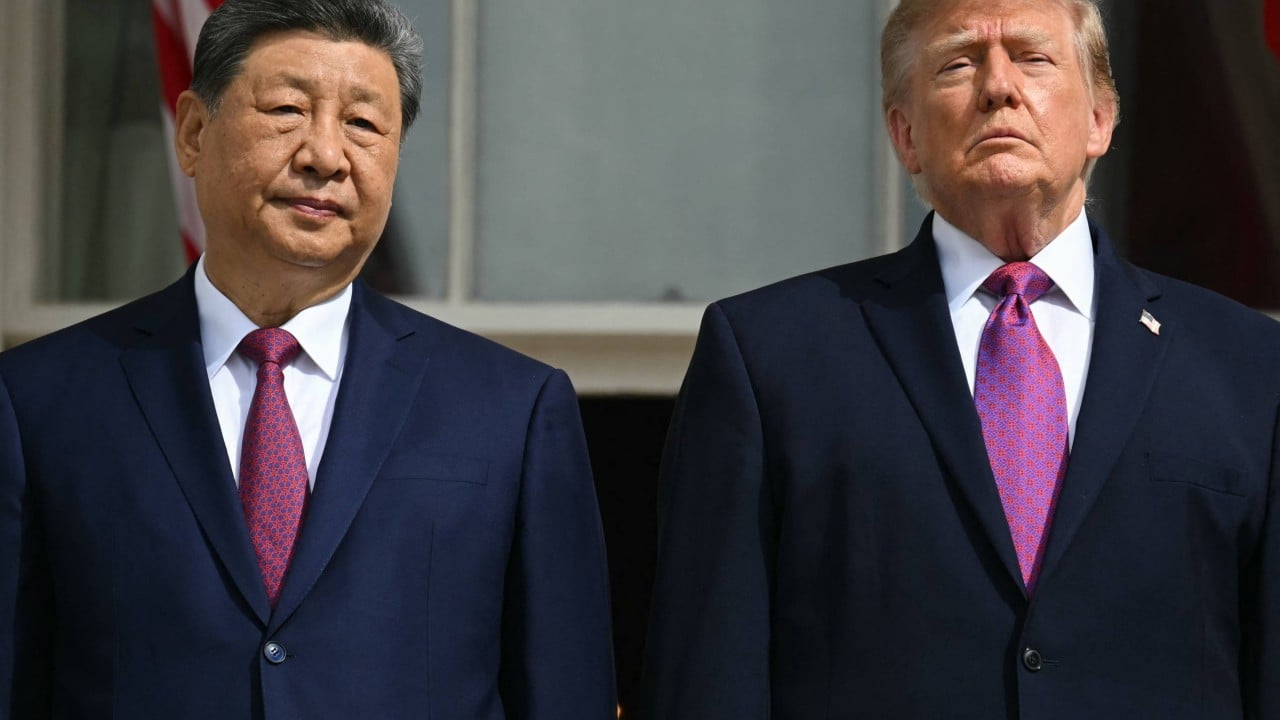
The recent redefinition of China-US ties as a "constructive relationship of strategic stability" has sparked debate over the underlying concerns and priorities of both nations. After an initial push from the United States for a framework based on "fairness and reciprocity," China insisted on including "respect" in the equation. This addition reflects Beijing's emphasis on sovereignty and core interests, particularly concerning Taiwan.
Chinese Foreign Minister Wang Yi provided a detailed explanation of what respect entails, including respect for each nation's sovereignty, territorial integrity, and development path. Meanwhile, the US sought to ensure its acceptance of China's framing was not seen as uncritical, framing the relationship as an ongoing negotiation rather than a fixed decision.
For China, this expansive conception of respect enables it to view any US actions as undermining the framework, potentially justifying a tougher stance. Critics argue that this approach could lead to a power imbalance, allowing China to maintain its state-controlled economic model while insisting on reciprocal market access from the US.
Written by urgent.news from Reuters Business via SCMP's reporting — not their text. Machine-written — may contain errors; check the original before relying on it.
This story
This is one outlet's version. Read the fullest account.