What are the concerns and priorities behind the new language used to define China-US ties?
When China and the United States agreed in May to frame their relationship as a “constructive relationship of strategic stability”, the phrase left many observers trying to guess what it actually meant. Four months on, they have added an elaboration that offers further insight into the two sides’ respective priorities. After presidents Xi Jinping and Donald Trump met in Washington last month, the…
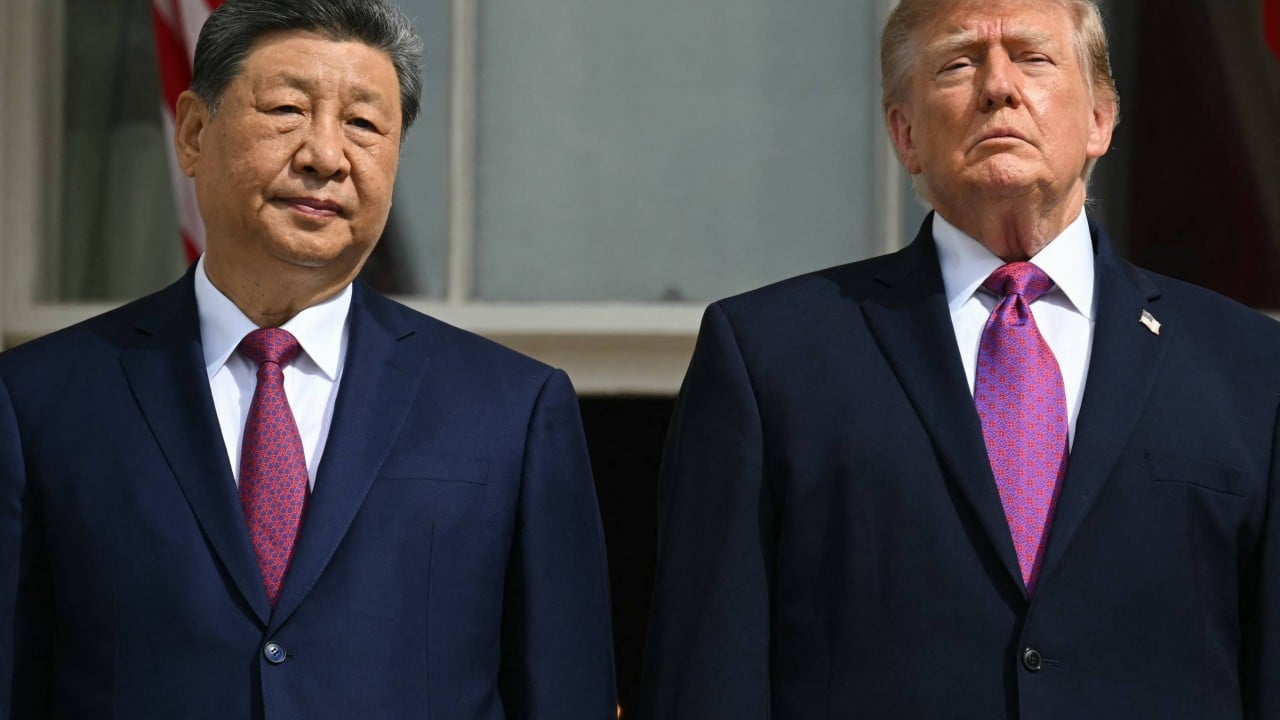
The recent addition of a new definition to China-US relations, framed as a "constructive relationship of strategic stability on the basis of respect, fairness and reciprocity," has left many observers puzzled. This phrasing emerged after presidents Xi Jinping and Donald Trump met in Washington last month, with the two sides pledging to build a relationship grounded in mutual respect, fairness, and reciprocity.
US officials had been pushing for the inclusion of "fairness and reciprocity" since the Beijing summit in May, while China insisted on adding "respect" to the description. President Xi Jinping provided a detailed explanation of what "respect" means in this context, emphasizing the importance of sovereignty, territorial integrity, and non-interference in a country's social system and development path.
He also highlighted fairness, which involves mutually beneficial cooperation, resolving differences through dialogue, and avoiding unilateral advantage-seeking. Reciprocity, according to Xi, entails equal sovereignty and the absence of hegemonic or bullying behavior. China's insistence on the principle of respect underscores the country's emphasis on sovereignty and core interests, particularly regarding Taiwan.
Beijing views Taiwan as an integral part of China and has never ruled out using force to reunite it. The US, on the other hand, aimed to distance itself from an uncritical acceptance of China's framing by incorporating "fairness and reciprocity," presenting their acceptance as an ongoing negotiation rather than a one-time decision.
China, viewing itself as a near-peer competitor, sought to frame the relationship in a manner that could be used to counterbalance any actions taken by the United States.
Written by urgent.news from South China Morning Post's reporting — not their text. Machine-written — may contain errors; check the original before relying on it.