Wasted millions: KwaMhlanga abattoir and Tshwane resort left to rot
A planned local economic development project in Mpumalanga has remained unused for more than two decades despite further public spending.
Two decades after public funds were originally allocated to build a public abattoir in KwaMhlanga, Mpumalanga, the facility remains derelict, serving as a stark illustration of the "political economy of inefficiency," according to Public Service Commission chair Prof Somadoda Fikeni. The commission's inquiry revealed that the country is plagued by a failure to convert policies, laws and institutions into tangible outcomes, rather than a mere shortage of resources.
The KwaMhlanga abattoir, intended to support the public, saw millions of rands invested in its construction and equipment. In 2005, the Thembisile Hani municipality allocated approximately R1.5 million from the department of provincial and local government's local economic development fund, while the Nkangala district municipality contributed over R1 million.
The project was designed to process a maximum of 20 cattle daily, with goats also to be slaughtered. An external operator was to train locals, who would then manage the operation after three years, while the municipality planned to investigate the feasibility of processing animal byproducts.
Despite these efforts, the abattoir has remained unused for over two decades. Nearby, a wastewater treatment plant's odor has rendered the site unsuitable for operation, with local residents Vusi Thubana and Vusi Borholo explaining that the facility's abandonment was primarily due to the unbearable odor from the wastewater works. More than R2.5 million was subsequently spent on the abattoir, including new cold room facilities and efforts to attract farmers, but these investments have proven futile.
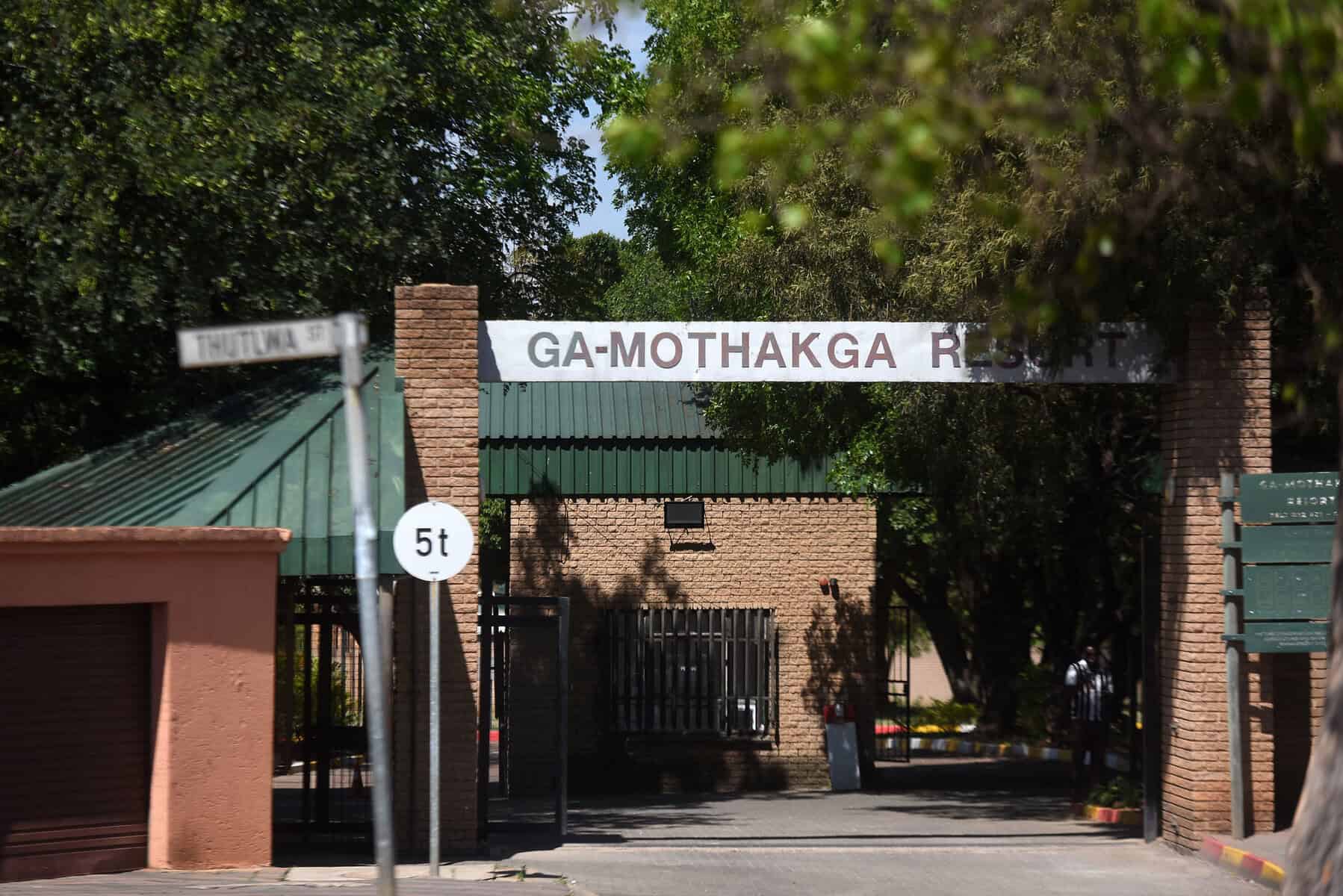
The Tshwane Ga-Mothakga recreation resort, located in Atteridgeville, west of Pretoria, also embodies the challenges faced by public recreational infrastructure. The city's 2024-25 oversight report documented theft, vandalism, inadequate security, maintenance backlogs, blocked drains, flooding, roof leaks and insufficient lighting.
Despite these issues, the resort, which generates revenue and attracts visitors, has been largely neglected. Its chalets have been stripped, and its roof has been stolen, while it also houses the SS Mendi memorial honoring the 616 South Africans who perished in the sinking of the SS Mendi in 1917.
Tando Rulashe, a senior lecturer and programme leader for public administration at the University of Mpumalanga, emphasized Fikeni's argument about the political economy of inefficiency, suggesting that these issues might stem from more than poor planning and inadequate institutional capacity. He posed the question of whether these inefficiencies are sustained by political, administrative and economic interests that thrive on dysfunctional systems.
Rulashe stressed that infrastructure development and service delivery are not synonymous, as evidenced by the fact that millions are spent on construction, but non-operational facilities fail to deliver their intended public value. He also noted that costs associated with failed infrastructure often continue to burden public funds, even after projects have ceased to function.
Written by urgent.news from The Citizen's reporting — not their text. Machine-written — may contain errors; check the original before relying on it.