Vietnam, Thailand gain appeal as data centre investors diversify beyond Johor
Regulatory reforms and improving investor sentiment are opening up alternatives as Malaysia’s power constraints and rising development costs threaten project execution.
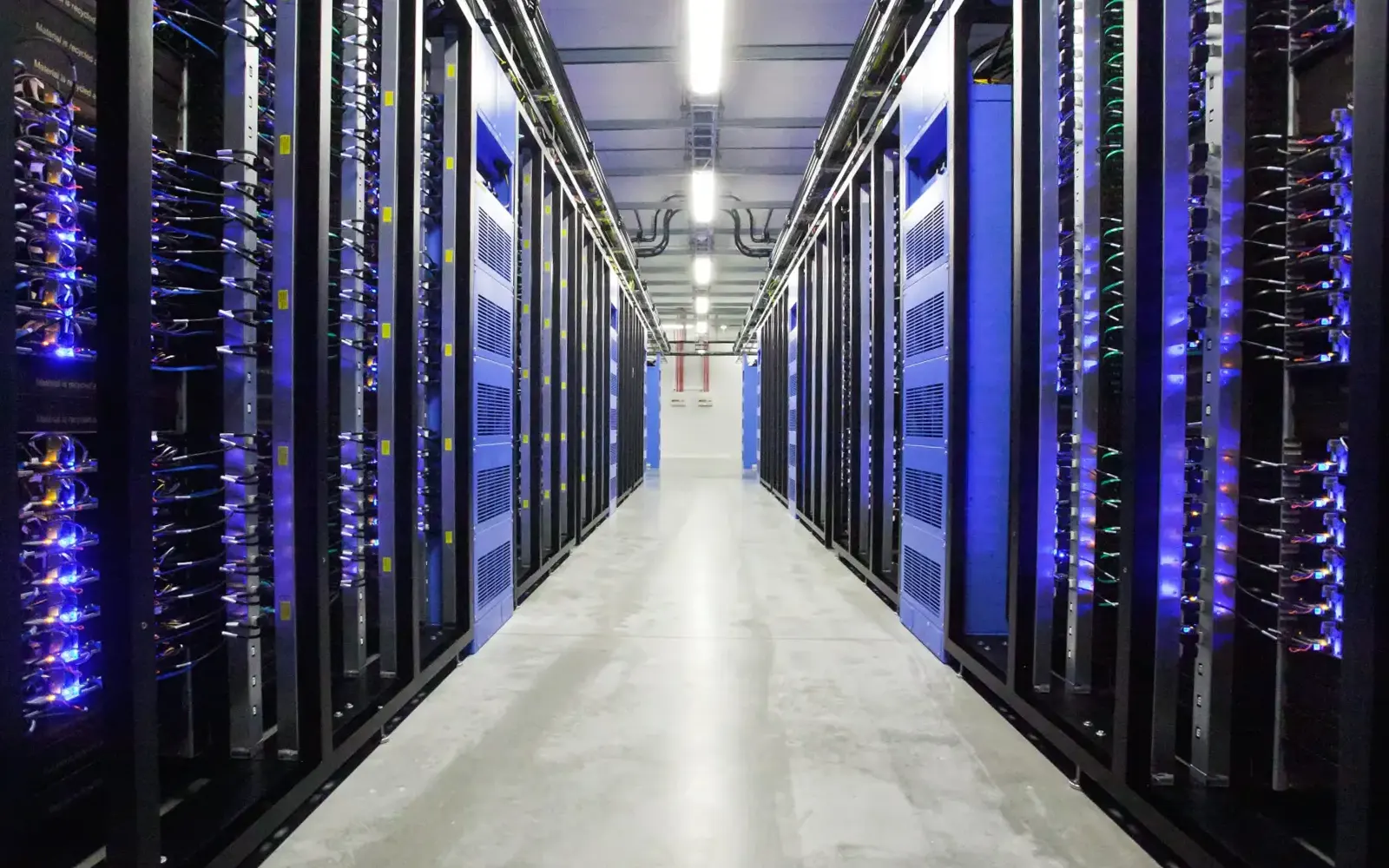
Research firm BMI is reporting that Vietnam and Thailand are emerging as attractive options for data centre investment, as operators seek alternatives to Malaysia. Factors driving this trend include rising costs, power constraints, and stricter sustainability requirements in Johor, Malaysia's primary data centre hub. Thailand has implemented a 2GW direct power purchase agreement pilot, enabling eligible operators to purchase renewable electricity directly, while Vietnam has lifted restrictions on foreign ownership and licensing procedures for data centres.
These reforms could help both countries attract investment by lowering development costs and mitigating country-specific risks. Despite competition, BMI expects Malaysia to maintain its position as the leading Southeast Asian data centre market, with Johor benefiting from its proximity to Singapore, lower operating costs, and improved connectivity.
However, power availability remains a significant challenge, as data centres currently account for approximately 20% of Malaysia's electricity demand growth, with this share expected to reach over 70% by 2026. Electricity demand is expanding faster than renewable energy output, and grid expansion typically takes five to 10 years.
New tariffs imposed on facilities exceeding 100MW have raised energy costs by 10% to 14%, leading some operators to pause development plans. Additionally, stricter environmental screening is adding to the challenges, with nearly 30% of proposed data centre projects rejected due to inadequate responsible power and water consumption practices.
BMI anticipates the market becoming increasingly concentrated among well-capitalized platforms backed by private equity, such as DayOne, AirTrunk, Bridge Data Centres, and Yondr. These operators have the resources to finance capital-intensive AI campuses, while smaller platforms may struggle to secure funding amidst rising infrastructure costs.
Written by urgent.news from Free Malaysia Today's reporting — not their text. Machine-written — may contain errors; check the original before relying on it.