The Impact of Webb on Our Understanding of Black Holes
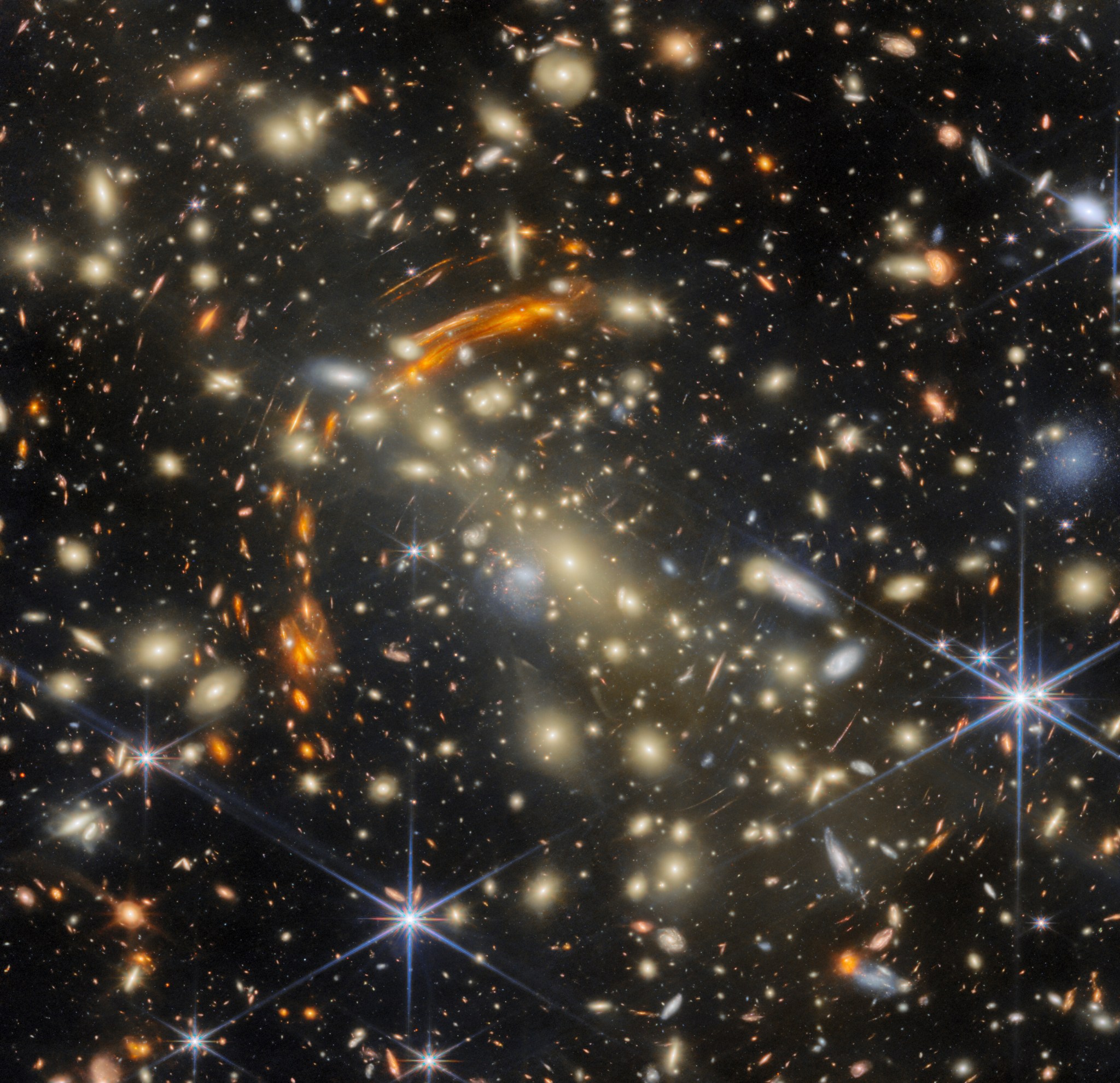
How has Webb improved our ability to study black holes? Black holes are among the most studied yet most mysterious astronomical objects in the universe. While the immediate environments around black holes have been observed for decades, key questions, such as how they form, remain unresolved. NASA’s James Webb Space Telescope is opening avenues for […] The post The Impact of Webb on Our…
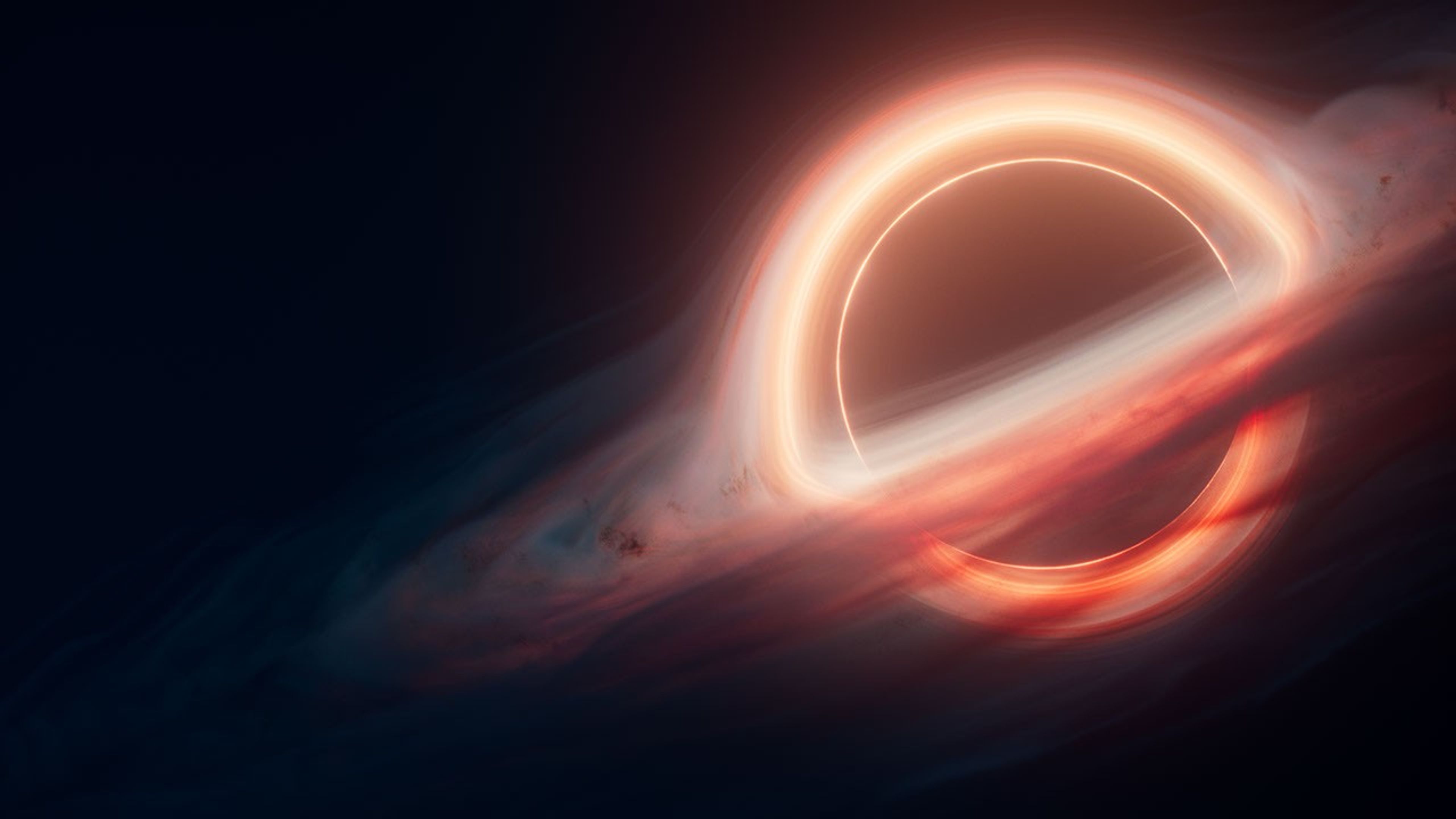
New research suggests that planets could form around supermassive black holes. According to simulations, massive planets could develop in the outer dusty regions surrounding these black holes, similar to how planets form around stars. This idea was discussed by astrophysicists Bhupendra Mishra and Wladimir Lyra on a SETI livestream on September 21, 2026, as reported by EarthSky.
The possibility of planets forming around black holes is an intriguing one, given that thousands of planets have already been found orbiting other stars, and some rogue planets have been discovered without a star. The European Southern Observatory released an image on March 27, 2024, showing the supermassive black hole at the center of the Milky Way in polarized light, depicting the hot material surrounding it.
The research, which included simulations, indicates that planet-mass objects could form in the dusty regions around supermassive black holes. No further details were provided by NASA Science. EarthSky reported on the study and the discussion by Mishra and Lyra.
Brief written by urgent.news from NASA Science, EarthSky — 2 reports on this story. Machine-written — may contain errors; check the original before relying on it.