Spirit of Hong Kong Awards: firm uses 3D-printed tiles to restore coral reefs
In 2014, a University of Hong Kong research team watched two years of reef restoration work collapse in Sai Kung. The Agriculture, Fisheries and Conservation Department had asked the researchers to speed up coral recovery. Cement structures were placed on the seabed and coral began to grow. But as the colonies became larger, they became unstable. “They have no roots,” said Vriko Yu Pik-fan, then…
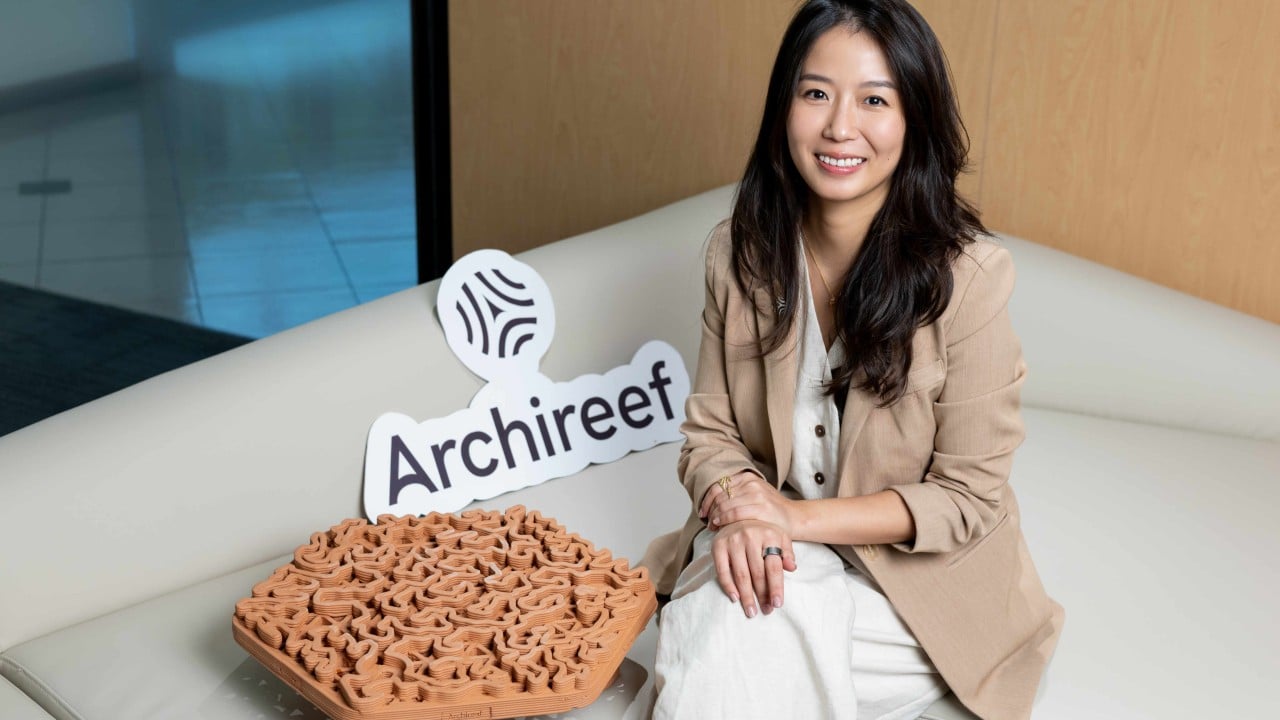
In 2014, a University of Hong Kong research team's reef restoration efforts in Sai Kung were abruptly halted by the Agriculture, Fisheries and Conservation Department, which had commissioned the project. The researchers had attempted to utilize cement structures for the coral's growth, but as the colonies expanded, they became unstable, lacking roots.
This setback ultimately inspired Vriko Yu Pik-fan, a doctoral student involved in the project, to co-found Archireef, a company that would focus on a more resilient solution. After trials with metal and plastic, Yu's team turned to clay and employed 3D printing technology to create terracotta reef tiles. These tiles serve as a porous, pH-neutral surface for coral larvae to attach themselves to, providing a more stable foundation for coral growth.
Archireef, incorporated in Hong Kong in 2020, commercialized the research and has since earned a nomination for the Spirit of Hong Kong Awards in the sustainability category. The awards, co-organized by Sino Group and the South China Morning Post, recognize individuals and organizations making a positive impact on Hong Kong and its communities. Archireef has contributed to the conservation or restoration of approximately 10 hectares of marine habitat across Hong Kong, Singapore, the United Arab Emirates, and Saudi Arabia.
The tiles have proven to be effective in promoting marine life, with 95% of deployed coral remaining alive three years after installation in monitored sites in Hong Kong. Archireef helps clients, such as port operators and developers, demonstrate the success of their restoration efforts and reduces their environmental impact costs.
The company employs a research team in Hong Kong, leveraging the city's talent pool and improvements in water quality, making coral restoration more feasible. Yu attributes their achievements to the right mix of talent and Hong Kong's environmental advancements, emphasizing the importance of knowing whether restoration measures have been successful.
Written by urgent.news from South China Morning Post's reporting — not their text. Machine-written — may contain errors; check the original before relying on it.
This story
This is one outlet's version. Read the fullest account.