Soaring component costs force laptop makers to rethink shift away from China: report
Notebook manufacturers are being forced to rethink their shift out of China and consider moving production back to the manufacturing hub, as skyrocketing component costs squeeze profit margins, according to market research firm TrendForce. The Taiwan-based firm projected that the share of global notebook production outside mainland China would decline to 21 per cent this year from about 24 per…
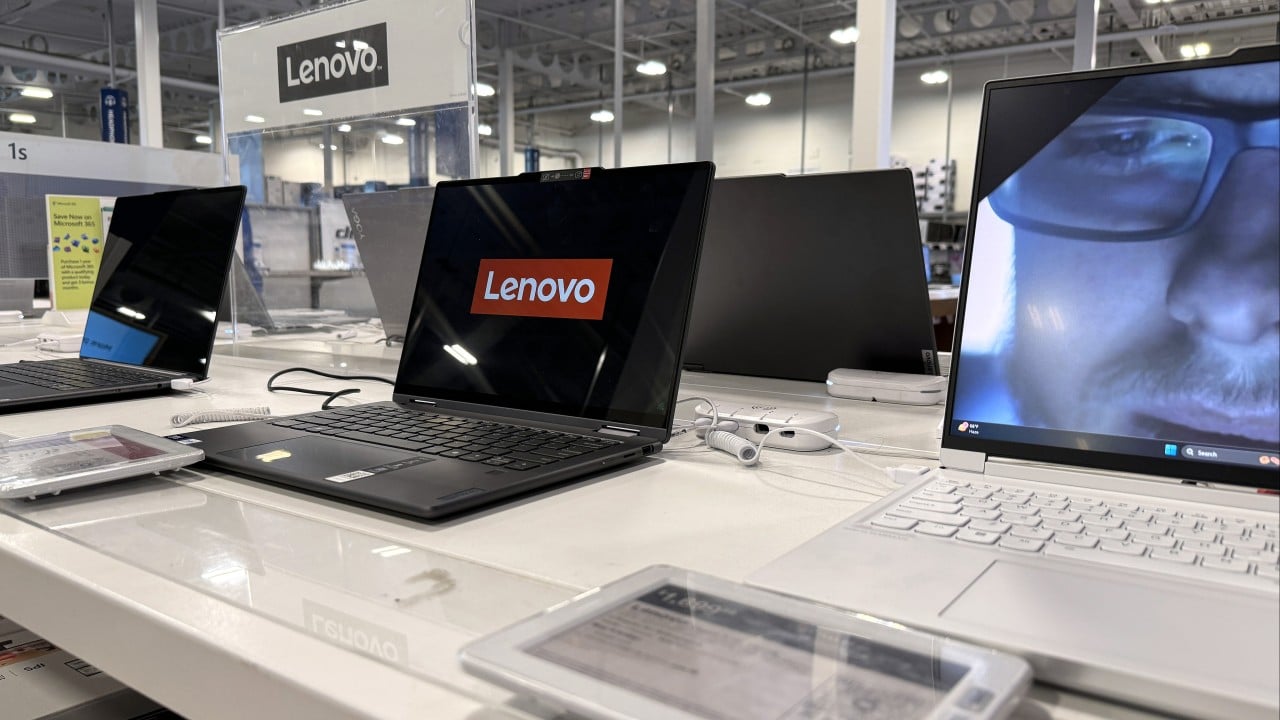
Laptop manufacturers are reconsidering their shift toward China as soaring component costs threaten profit margins, according to market research firm TrendForce. The firm predicts that the share of global notebook production outside mainland China will decline to 21% this year from about 24% in 2025, and fall below 20% in 2027. This suggests that brands are reevaluating the balance between supply-chain diversification and manufacturing efficiency amid evolving policy and cost conditions, TrendForce said.
Major laptop vendors have expanded their manufacturing presence outside China in recent years to mitigate trade tariffs and geopolitical tensions. For instance, Dell aimed to phase out Chinese-made chips by 2024 and relocate half of its production out of China by 2025, while Apple shifted certain device assembly to Vietnam and India.
However, unless trade barriers escalate significantly, financial considerations are becoming more influential than risk mitigation, according to TrendForce. As the PC industry anticipates sluggish consumer demand due to rising component prices, global notebook shipments are expected to decline by a low single-digit percentage in 2027.
If semiconductor costs continue to rise, laptop brands may be forced to pass more expenses onto consumers, potentially leading to a high single-digit market contraction. Core hardware costs have surged, accounting for roughly 68% of the total bill of materials for a typical US$900 laptop in the third quarter, comprising CPUs, dynamic random-access memory (DRAM), and solid-state drives (SSDs).
Meanwhile, global PC shipments dropped about 20% year-on-year to 62.7 million units in the third quarter, as attributed by IDC research firm. The decline is partly due to vendors stockpiling inventory in the first half of the year to counter memory price hikes, resulting in insufficient demand for the third quarter. IDC research director Jitesh Ubrani noted that prices will remain high, and the outlook for the next few quarters may worsen before improving.
China's Lenovo maintained its top position in the industry with a 23.8% global share, despite a 22.6% drop in shipments in the third quarter, while HP held second place with a 16.5% share, hit by a 30.9% decline in shipments. Dell ranked third, with shipments falling 25% during the quarter.
Written by urgent.news from SCMP Tech's reporting — not their text. Machine-written — may contain errors; check the original before relying on it.