Scientists Find 180,000 Giant Tortoises in Seychelles: Is the Endangered Species Finally Safe?
A remote island in the Indian Ocean has revealed one of the world’s most remarkable wildlife conservation success stories. Scientists estimate that approximately 180,000 giant tortoises live on Aldabra Atoll in the Seychelles, a population that recovered from fewer than 1,000 individuals after centuries of exploitation. The discovery, reported in October 2026, provides the most […]
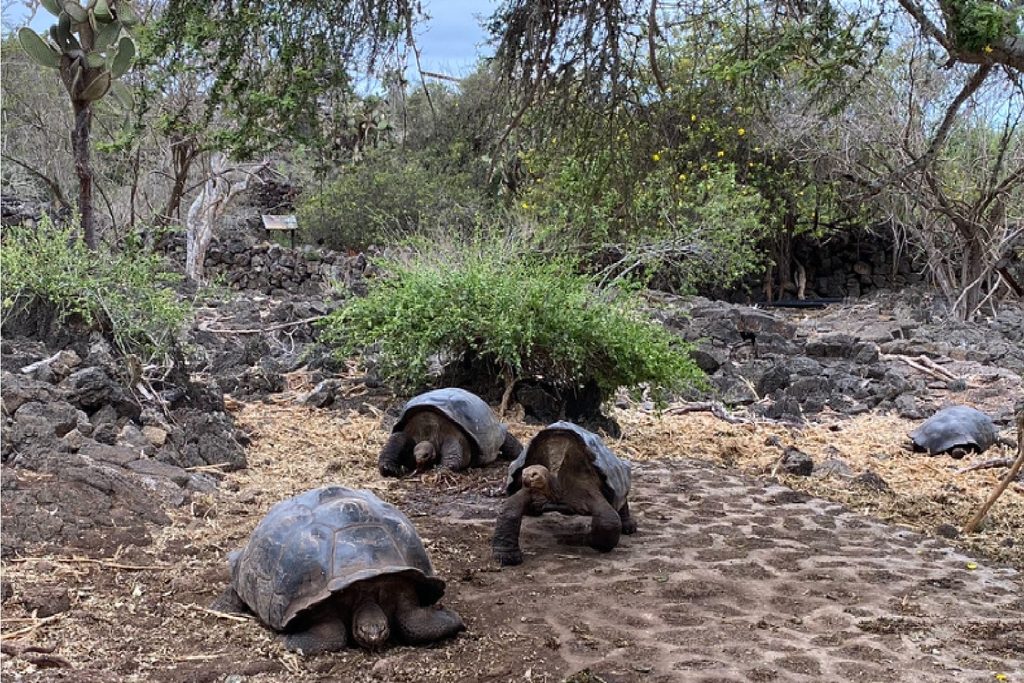
Scientists have discovered a population of approximately 180,000 giant tortoises on Aldabra Atoll in the Seychelles, marking a significant conservation success story. This estimate, published in October 2026 in the journal Ecology and Evolution, is based on five years of field observations conducted between 2018 and 2022. The research, led by the Seychelles Islands Foundation and the University of Exeter, used statistical models to account for tortoises that might have been missed, including those in dense vegetation and difficult terrain. The previous estimate, from the late 1990s, was around 100,000 tortoises.
Aldabra, a remote coral atoll composed of four main islands (Grande Terre, Picard, Malabar, and Polymnie), has remained relatively unchanged under human influence, thanks to its isolation and protected status. Designated a World Heritage Site by UNESCO in 1982 and a strict nature reserve in 1981, the atoll's conservation efforts have been ongoing for decades.
The recovery of the giant tortoise population is particularly remarkable, given that centuries of exploitation, hunting, and the introduction of invasive species like feral goats had driven the population down to fewer than 1,000 individuals.
The eradication of feral goats in 2012 and ongoing conservation management, including the removal of invasive animals like feral cats and black rats, have been crucial to the tortoises' recovery. However, while the 180,000 estimate provides a positive indication of the population's health, it does not guarantee the species' long-term safety.
Aldabra's tortoises remain vulnerable to environmental pressures such as climate change, which could affect their food supply and habitat, and the presence of invasive species that could impact the tortoises' ability to reproduce and survive.
Despite these challenges, the conservation success of the Aldabra giant tortoise underscores the importance of sustained protection and monitoring. The Seychelles government now classifies the Aldabra giant tortoise as no longer endangered, reflecting its robust recovery. However, the species continues to play a vital role in the ecosystem, influencing vegetation and nutrient cycling through their ecological functions.
Protecting the Aldabra giant tortoise is essential not only for preserving this iconic species but also for maintaining the broader ecological balance of the atoll, with potential benefits for island biodiversity.
Written by urgent.news from Colombia One's reporting — not their text. Machine-written — may contain errors; check the original before relying on it.