Multiomics in 2026 and Beyond
Multiomics analysis combines data from two or more omics layers—such as genomics, transcriptomics, proteomics, and epigenomics. However, published criticisms of multiomics approaches have highlighted concerns about data integration and a tendency toward […] The post Multiomics in 2026 and Beyond appeared first on GEN - Genetic Engineering and Biotechnology News .
Multiomics analysis, which combines data from multiple omics layers, has become increasingly popular in recent years. However, as the field continues to evolve in 2026 and beyond, several challenges may arise that could hinder progress. Sample preparation remains a critical issue, with experts noting the importance of a solid workflow for harvesting tissue and ensuring a good chain of custody from collection to analysis.
Inadequate freezing during biopsies can disrupt cell structures and introduce artifacts, making proper sample preparation essential.
Data integration and analysis pose additional challenges. Multiomics technologies generate vast amounts of high-resolution data across various modalities, which may behave differently statistically. Aligning multiple omics from different cells or tissues is crucial, as researchers must ensure they are measuring the same cells and biological features.
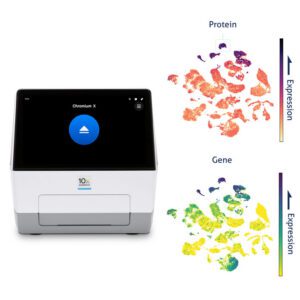
The 10x Genomics MultiPro Human Discovery Panel, which integrates into existing Flex scRNA-seq workflows, offers a solution by providing a large antibody-based, single-cell protein panel for integrated analysis of 326 protein targets.
Another hurdle is the need for cross-disciplinary expertise in biostatistics, machine learning, and biology. Many labs lack the necessary skills in-house, making collaboration and networking vital for successful multiomics projects. Temporal relationships between different omics layers, such as proteins, RNA, and metabolites, must also be considered when integrating and interpreting results.
AI holds significant potential for addressing these challenges. As data generation continues to increase, AI can help researchers identify patterns, interpret data more quickly, and build predictive models for biological phenomena such as disease progression or treatment response. However, the accuracy of AI models heavily depends on the quality of the sample preparation process.
Inconsistently prepared sections can lead to incorrect biological interpretations, highlighting the importance of a robust sample preparation workflow.
Written by urgent.news from GEN Biotechnology's reporting — not their text. Machine-written — may contain errors; check the original before relying on it.