How COVID, Characterization, and Commerce Are Driving an RNA Revolution
COVID-19 accelerated efforts to develop faster, more efficient ways of manufacturing high-quality RNA sequences. The post How COVID, Characterization, and Commerce Are Driving an RNA Revolution appeared first on GEN - Genetic Engineering and Biotechnology News .
The technology behind RNA vaccines and therapeutics has been around for decades, but it wasn't until 2020 that mRNA vaccines proved their effectiveness against SARS-CoV-2 that the sector truly exploded. Since then, RNA products have become increasingly popular in the clinic due to their therapeutic and commercial potential. The pandemic played a significant role in accelerating the industrialization of RNA and lipid nanoparticle (LNP) technologies, generating abundant vaccine safety data in the process.
However, RNA-based products still have limited commercial applications, and developers are racing to expand the sector.
The key to producing RNA-based products, whether vaccines or therapeutics, lies in ensuring they can be manufactured in large quantities cost-effectively and efficiently. Luis Avila, a scientist at Novoprotein Scientific, emphasizes that RNA design is crucial for both manufacturability and biological performance. Optimizing template architecture, such as promoter design, transcription initiation sequences, and sequence composition, can improve IVT (in vitro transcription) performance while reducing problematic secondary structures.
Avila also highlights the differences between messenger RNA (mRNA) and self-amplifying RNA (saRNA) when it comes to manufacturability. mRNA requires optimized UTRs, cap structures, and poly(A) tails to govern stability and translation, while saRNA relies on a large alphavirus replicase cassette to increase transcript length and structural complexity, enabling intracellular RNA amplification that reduces the therapeutic dose required.
Circular RNA (circRNA), another type of RNA, presents an even greater manufacturing challenge due to its stability and resistance to exonuclease degradation. Circularization, which follows linear IVT, remains a major bottleneck, and efficient cap-independent initiation through optimized internal ribosome entry site (IRES) elements and RNA architecture is crucial for successful translation.
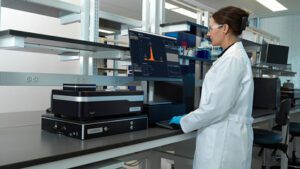
Characterization is essential for ensuring the safety, stability, and efficacy of RNA therapeutics, but it remains a significant analytical bottleneck. Traditional methods, such as chromatography and mass spectrometry, struggle with resolving large RNAs and require extensive method development. A promising alternative is mass photometry (MP), a technique that can analyze RNA molecules within minutes based on only nanograms of material in a single experiment.
MP offers several advantages, including reduced hands-on time, lower reagent costs, and at-line process monitoring that enables immediate go/no-go decisions during bioprocessing and purification. The faster speed and higher resolution of MP make it an ideal tool for multi-attribute assessment of RNA therapeutics' critical quality attributes (CQAs).
Written by urgent.news from GEN Biotechnology's reporting — not their text. Machine-written — may contain errors; check the original before relying on it.