Google Earth shows a cold, hard fact: for many Gazans, there is no place to live
A Google Earth update has offered the world a stark view of the destruction around Gaza, but for most people in the war-ravaged enclave it has underscored a more urgent question: where are we supposed to live? With neighbourhoods reduced to rubble before winter, for some, the answer is a tent. For others, a damaged building. For many, there is no safe option at all. Israeli bombardment has turned…
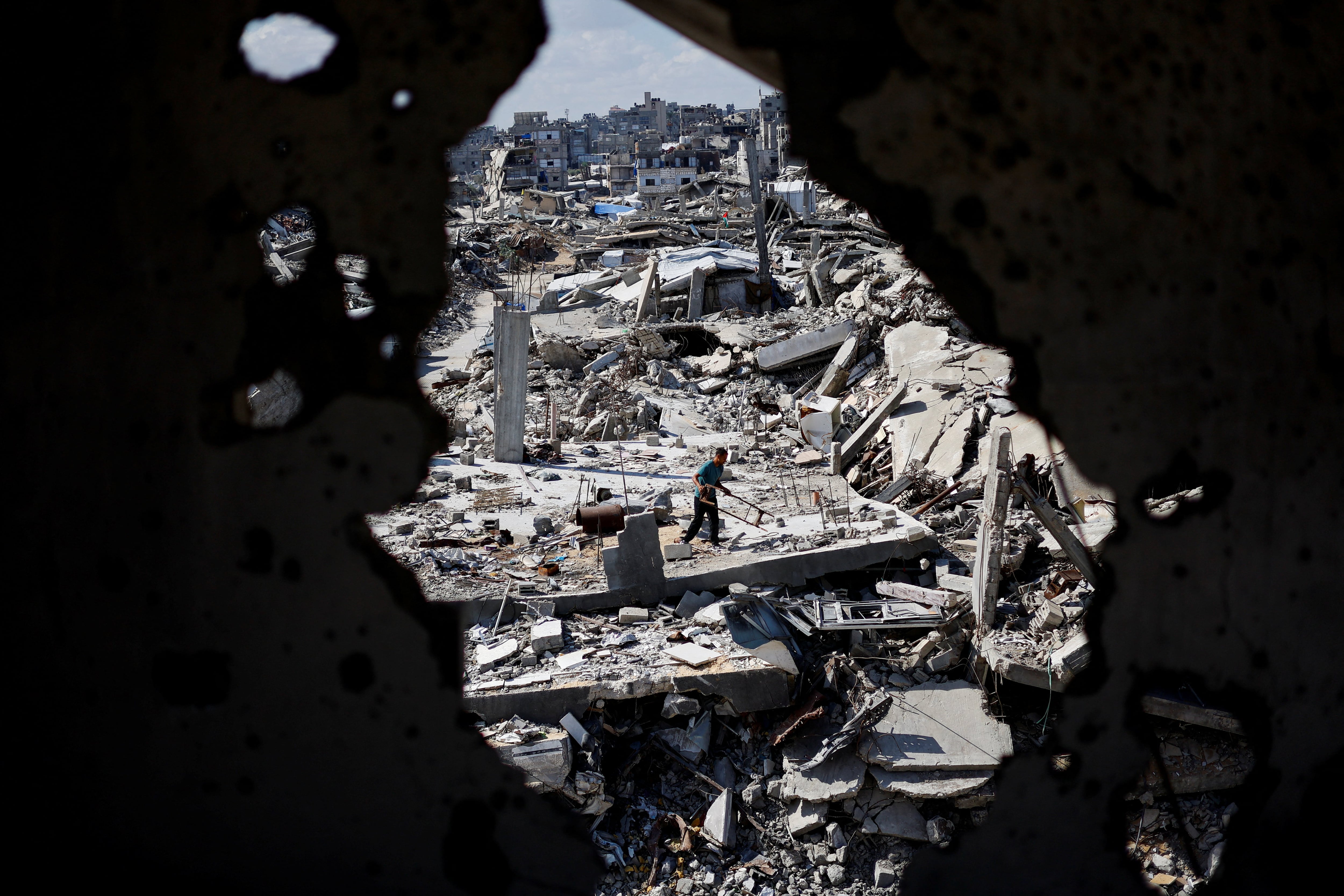
A Google Earth update has provided a chilling glimpse into the devastation of Gaza, highlighting a critical issue for its residents: where they should live. With entire neighborhoods reduced to rubble as winter approaches, some have taken refuge in tents, while others are left with damaged buildings or no shelter at all. Israeli bombardment has turned once densely built Gazan neighborhoods into expansive rubble fields, leaving millions of Palestinians with limited options for safe housing before the cold season.
The two-year Israeli war on Gaza concluded with a ceasefire in October 2023, but the violence did not end. Over 1,400 Palestinians have since been killed in near-daily Israeli attacks, while Israeli forces continue to occupy large parts of the narrow coastal strip. For many, winter brings back memories of their previous hardships.
Amani Abu Jalhoum, 35, has spent the last two winters in a tent after her home in Sheikh Radwan, northern Gaza city, was destroyed during Operation Gideon's Chariots. The recent winter was particularly challenging, as rainwater repeatedly entered her tent, causing her son to fall ill with the flu and a runny nose.
The situation is dire, with Google Earth comparisons showing the loss of housing reshaping Gaza's urban landscape. For some, there is no choice but between a tent exposed to winter weather and a damaged building that might not be safe to occupy. Basel Abu Eish, 41, is one such family who chose to stay in a house they know could collapse during winter storms. The family has no alternative as they have nowhere else to go, and they fear for their safety as winter approaches.
The Norwegian Refugee Council (NRC) estimates that 1.65 million Palestinians in Gaza will spend a fourth winter in tents and damaged buildings. However, only about 52,200 families can receive shelter assistance this winter, leaving a significant gap. The lack of materials to make tents more weather-resistant or repair damaged buildings is also a major obstacle.
Israeli authorities classify essential shelter materials as "dual-use," limiting the amount that can enter Gaza each week. At the current rate, it would take over seven months to deliver the necessary supplies, even under the best circumstances. This shortage is exacerbating the already dire situation, leaving thousands of Palestinians vulnerable to the harsh winter weather.
Written by urgent.news from The National Business's reporting — not their text. Machine-written — may contain errors; check the original before relying on it.
Also reported by 1 other outlet
- Google Earth shows a cold, hard fact: for many Gazans, there is no place to live thenationalnews.com