From Italy’s modern defence structure to the ancient Pantheon: A reminder of what survives
I was in Rome for five days last week, spending much of my time looking at Italy through the lens of defence: military operations, naval capabilities, air power, counter-improvised explosive device expertise and the work behind some of the country’s most important security decisions. Then, at the end of the trip, I found myself standing beneath the dome of the Pantheon, looking up at the oculus…
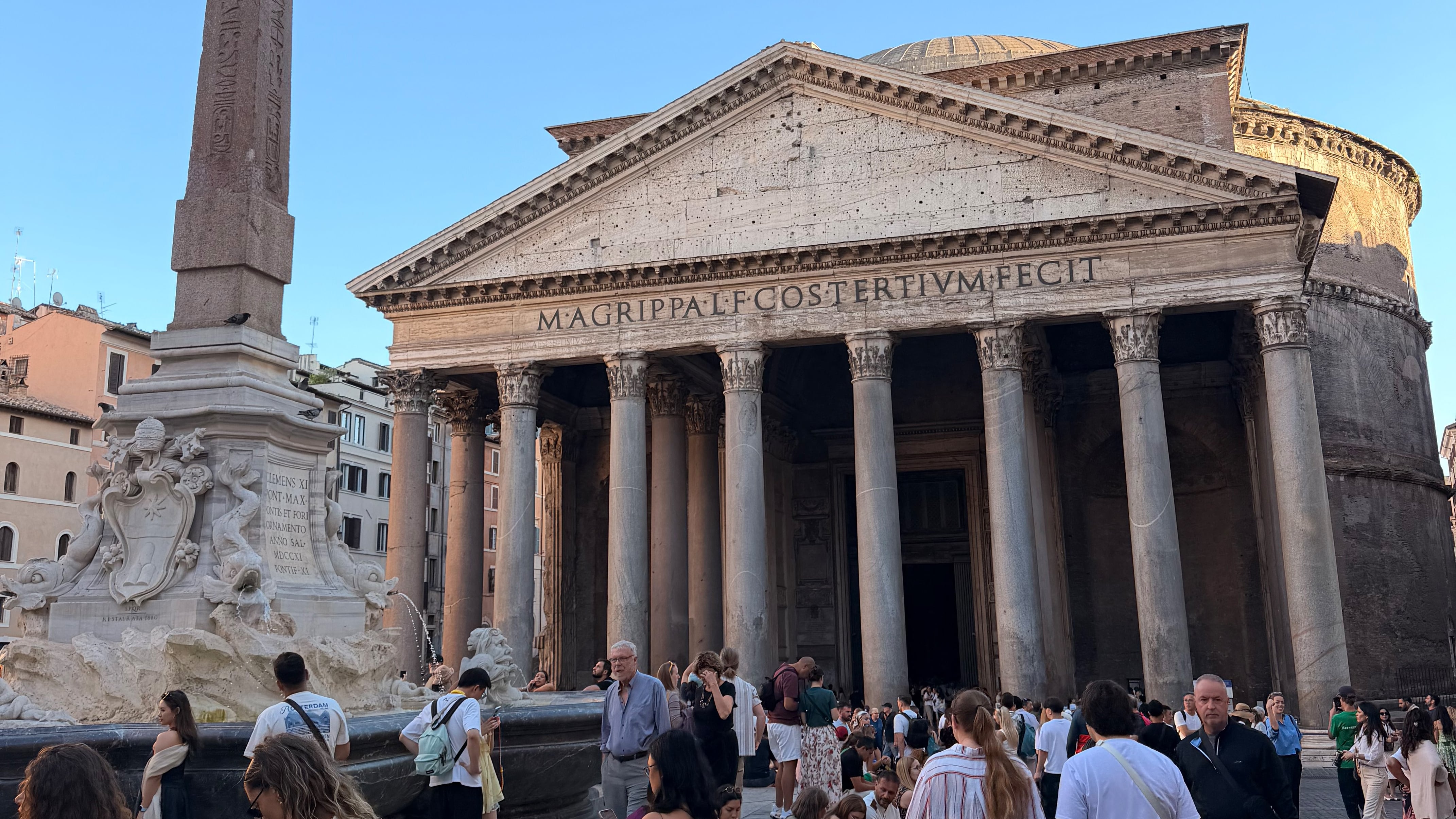
My recent visit to Rome included five days immersed in Italy's defence infrastructure, from its joint operations command to its air bases and counter-IED operations. At program's conclusion, I stood beneath the Pantheon's dome, pondering its enduring legacy. The ancient structure, nearly 2,000 years old, presented an intriguing juxtaposition to modern Italy's focus on military readiness, alliances, and threats. The Pantheon's survival offered a unique perspective on historical preservation.
While the Pantheon's construction, initiated under Emperor Hadrian around AD 118-125, initially faced neglect and destruction, its conversion to a Christian church by Byzantine Emperor Phocas in AD 609 proved decisive. This transformation not only protected the building from further damage but also allowed it to adapt to changing religious functions over centuries. The Pantheon's enduring presence speaks to the power of redirection in maintaining historical significance.
Standing before the Pantheon's vast concrete dome, I was struck by the seamless blend of ancient engineering and everyday life in Rome. The building's dome remains the largest unreinforced concrete hemispherical dome worldwide, with an internal diameter of approximately 43 meters. My tour guide explained the ingenious features designed to accommodate the elements, such as the oculus opening and drainage systems, which have allowed the Pantheon to endure for millennia.
The juxtaposition of ancient grandeur and modern vitality in Rome was striking. Historical monuments coexisted with bustling cafes and lively streets, illustrating how history is preserved not just through isolation, but through integration into daily life. As I reflected on my trip, the Pantheon's story underscored that preserving the past often requires adapting it for new purposes.
This realization stayed with me as I navigated Rome's streets, where ancient columns and contemporary cafes shared the same cobblestone paths.
Written by urgent.news from The National Business's reporting — not their text. Machine-written — may contain errors; check the original before relying on it.
This story
This is one outlet's version. Read the fullest account.