“Don’t use ‘open weight’ and ‘open source’ interchangeably”: Percona CEO on why AI terminology matters
The AI industry has enthusiastically embraced the language of open source, even as some of its most prominent “open” models The post “Don’t use ‘open weight’ and ‘open source’ interchangeably”: Percona CEO on why AI terminology matters appeared first on The New Stack .
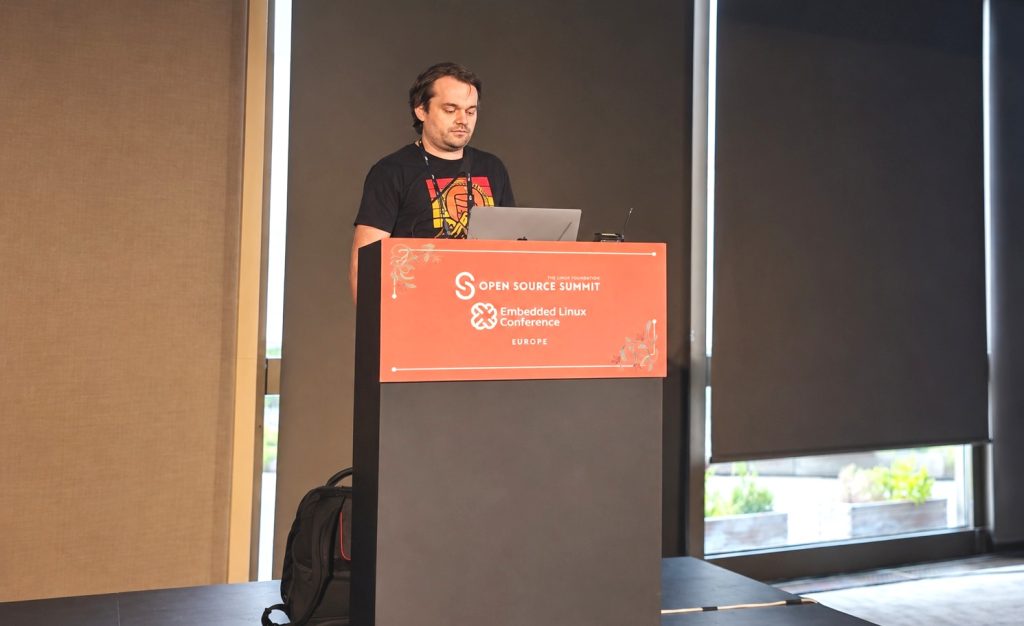
The AI industry has embraced the language of open source, but some "open" models offer developers only limited access to what that term traditionally promised. At Open Source Summit Europe in Prague, Percona CEO Peter Farkas asked, "Don’t use ‘open weight’ and ‘open source’ interchangeably." Farkas explained that "open source" preserves the freedoms and openness behind it, while "open weights" only provide numerical parameters produced during training.
These weights allow developers to run models on their own infrastructure but do not offer the ability to trust, improve, or build upon the model. As open-weight models become more common in production AI, the distinction between open source and open weights is becoming increasingly important. "Open weights answer ‘can I run this?’
Open source answers ‘can I trust this, improve it, and build the next thing on top of it?’" Farkas argues that if companies start calling open weights as good as open source, they are "open washing" and weakening the definition of open source, which could have broader implications for software as well. The Open Source Initiative is currently re-evaluating its definition of open source AI to address these concerns.
Written by urgent.news from The New Stack's reporting — not their text. Machine-written — may contain errors; check the original before relying on it.