Data hubs' troubled waters
The country is racing to power the global AI boom, but the unquenchably thirsty data centers it needs are already draining the water that sustains millions of lives.
The nation of Indonesia is racing to capitalize on the global AI boom, but the demand for water to power its burgeoning data centers is threatening the very communities that rely on this precious resource. Indonesia's focus is on West Java, where a proposed 640-megawatt data center facility in Purwakarta, near Jatiluhur Dam, is at the center of a water crisis.
This facility, planned to be developed by Singapore-based BDx Data Centers, is projected to consume 6,000 cubic meters of water daily – a demand that is expected to surge in the coming decade. The situation reached a boiling point during this year's El Nino-induced drought, which severely depleted rivers and reservoirs. Governor Dedi Mulyadi intervened, halting the project due to the lack of a thorough environmental impact assessment.
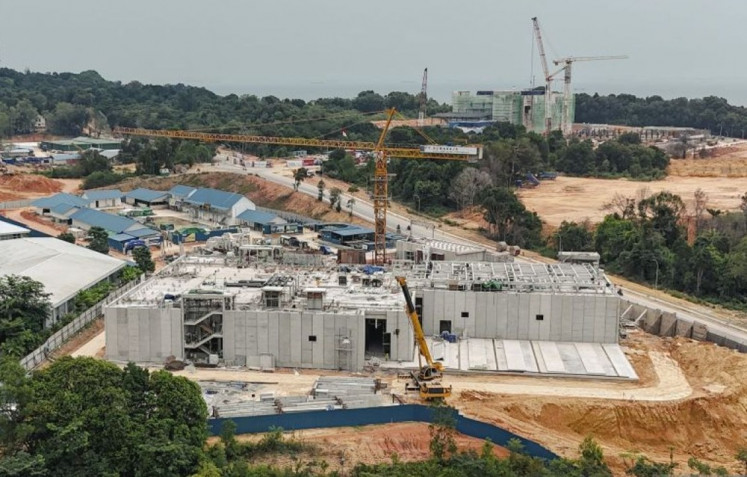
The controversy is not confined to West Java; residents in Batam, part of the Riau Islands, have also risen against data center projects, claiming they are straining the local water supply. Despite authorities' dismissal of these claims, attributing water shortages solely to the prolonged dry season, the situation underscores the potential ecological fallout of unchecked data infrastructure expansion.
Written by urgent.news from The Jakarta Post's reporting — not their text. Machine-written — may contain errors; check the original before relying on it.