Colombia Offers Success Stories in Alarming WWF Report on Biodiversity Loss
The World Wide Fund for Nature (WWF), the largest independent international organization dedicated to nature conservation and environmental protection in the world, and the Zoological Society of London presented their Living Planet Report 2026 this week, in which they assess the state of global biodiversity. One of the document’s main findings is that, over a […]
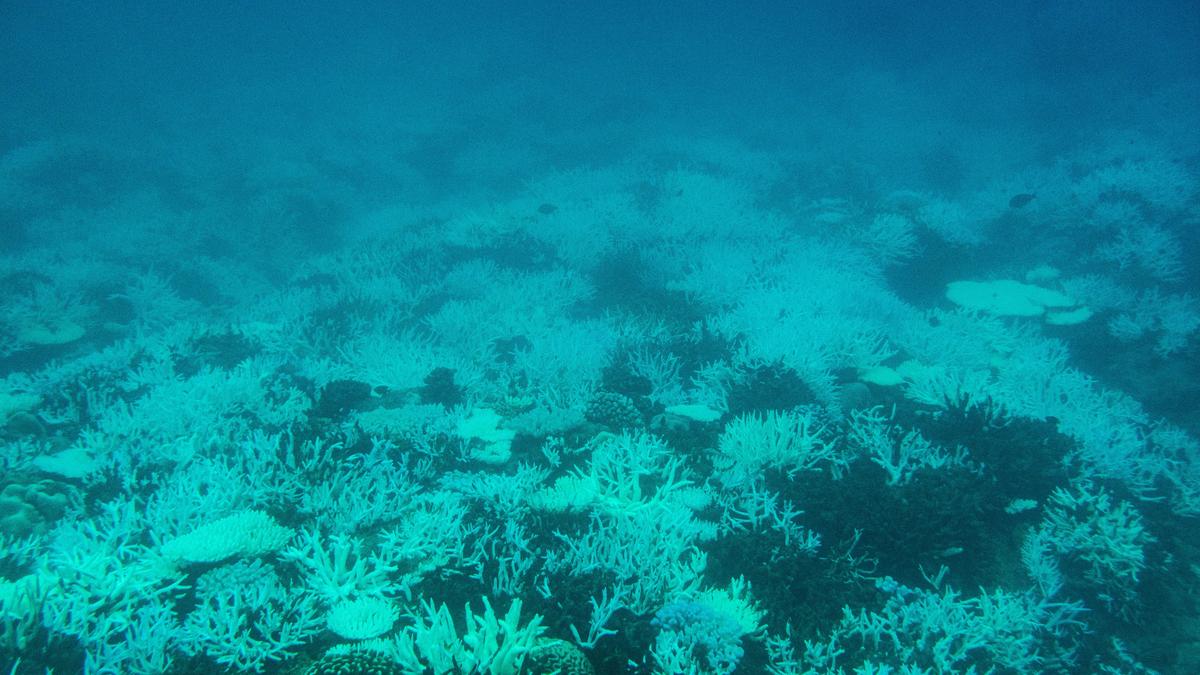
The World Wide Fund for Nature (WWF) and the Zoological Society of London have released their Living Planet Report 2026, which assesses the state of global biodiversity. The report reveals alarming declines in wildlife populations, with an average reduction of 73% over a period of 52 years. This trend is particularly severe in Latin America and the Caribbean, where monitored populations have declined by 95% since 1970.
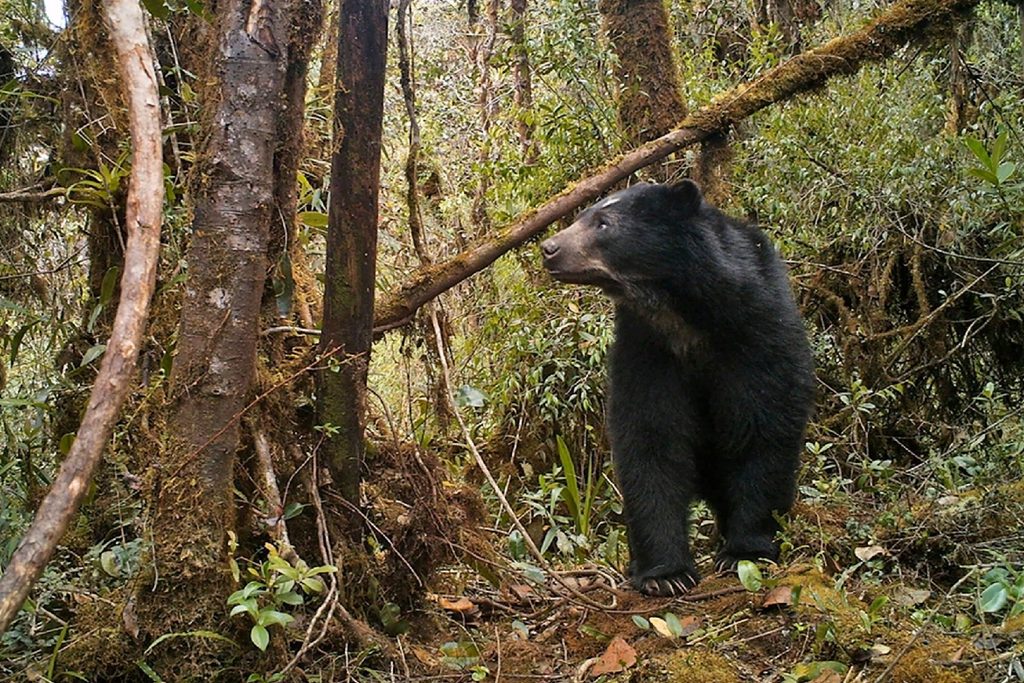
Despite these grim figures, the report highlights some success stories in Colombia. Atlantic and Pacific bluefin tuna have shown significant recovery thanks to fishing quotas, monitoring, and sustainability campaigns. Additionally, the green sea turtle has been reclassified from Endangered to Least Concern on the IUCN Red List. Other positive examples include the restoration of mangroves on Colombia's Pacific and Caribbean coasts, the presence of Andean bears in mountain ranges, and the recovery of tigers and elephants in southern Africa.
The report emphasizes the urgent need to transform energy, food, and financial systems to address the root causes of biodiversity loss. The three systems driving the destruction of nature are the food system, which is the main cause of habitat loss; the energy system, which drives climate change; and the financial system, which finances harmful activities.
The report notes that when systems shift towards a healthier state, the change can become self-reinforcing. For instance, solar energy is now the cheapest source of new electricity generation in most countries, and there are signs of progress in the food and agriculture sector, such as increased nature-positive production and sustainable trade.
However, the financial sector must move rapidly to end financing of harmful activities and recognize nature and climate as material risks.
Written by urgent.news from Colombia One's reporting — not their text. Machine-written — may contain errors; check the original before relying on it.