CJP protest: The right to protest, and what happens when police deny permission
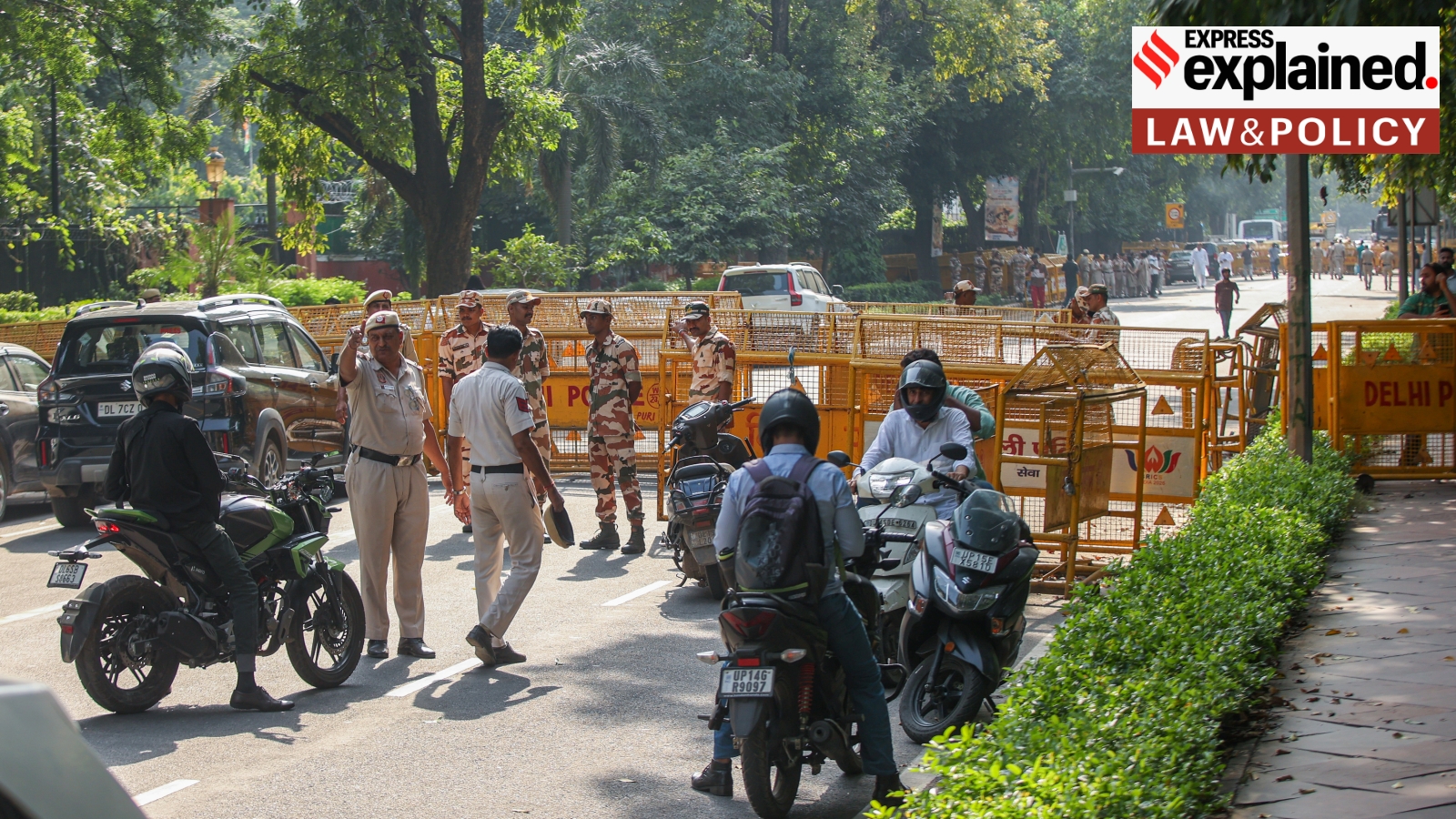
The Delhi Police has formally rejected the Cockroach Janta Party's (CJP) request to hold a protest at Jantar Mantar on October 10, citing insufficient notice. The party sought permission on October 7, three days before the planned march, which is less than the statutory 10-day period required for gatherings. The protests are part of a broader movement to demand the resignation of Chief Election Commissioner Gyanesh Kumar in response to alleged irregularities during the Special Intensive Revision (SIR) process.
The Constitution guarantees the right to free speech and expression through Article 19(1)(a), and the right to assemble peacefully without arms under Article 19(1)(b). However, these rights are not absolute; they can be restricted if they endanger public order or safety, as outlined in Articles 19(2) and 19(3). The Supreme Court, in a 2018 ruling, clarified that peaceful demonstrations enabling citizens to express grievances are a fundamental right.
According to the Delhi Police guidelines, applications for permission to hold demonstrations at Jantar Mantar must be submitted to the Deputy Commissioner of Police (DCP) at least 10 days prior to the event. If submitted later, the request may still be considered depending on space availability and sufficient time for arrangements.
The DCP assesses applications based on whether the demonstration could obstruct traffic, endanger public safety, or disrupt public tranquility. The DCP can also revoke permission due to unforeseen circumstances such as VIP security requirements or intelligence inputs, in which case the reasons for revocation are recorded and communicated to the organizers.
If permission is denied, organizers can seek reconsideration by presenting revised plans or proposing an alternative venue within the stipulated limits, typically a maximum of 1,000 people at Jantar Mantar or up to 50,000 at Ramlila Ground. Refusal of permission leads to a final and binding decision by the DCP, and organizers can appeal to the Delhi High Court under Article 226 if they believe the refusal is arbitrary or contradicts the right to peaceful assembly.
Violation of a prohibitory order could result in prosecution under Section 223 of the Bharatiya Nyaya Sanhita for knowingly disobeying a lawful order issued by a public servant, potentially leading to imprisonment or fines.
Rewritten by urgent.news; may contain errors — check the original.
Source: indianexpress.com