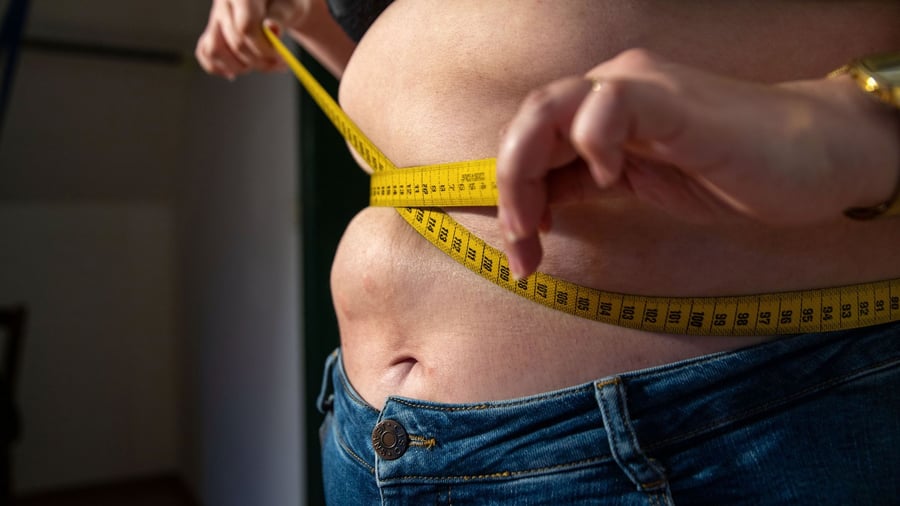
Bauchfett in den Wechseljahren: Was es mit dem Hormonbauch auf sich hat
Bierbauch, Babybauch, Blähbauch - kennt man. Geht es um die Wechseljahre, ist immer häufiger vom Hormonbauch zu hören. Warum hat die Menopause oft mehr Bauchfett im Gepäck? Und was können Frauen tun?
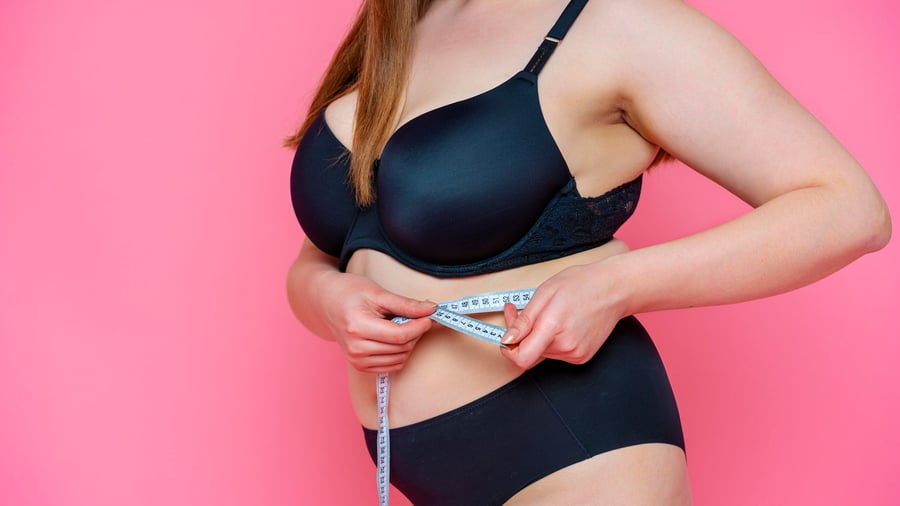
The midsection fat during menopause has been dubbed the "hormone belly". It occurs as hormonal changes cause women to store more fat in the abdominal area. As women age, their calorie needs decrease, and hormonal changes redistribute body fat. Women often don't notice the growing waistline. In menopause, estrogen levels drop, which usually helps prevent abdominal fat.
With lower estrogen, women begin to develop the male pattern of fat distribution, leading to increased belly fat. The hormone FSH (follicle-stimulating hormone) also becomes elevated in an attempt to stimulate the ovaries, but this results in converting sugar to fat instead of burning abdominal fat. Other factors that can contribute include increased testosterone, insulin resistance, stress, and poor sleep, especially due to night sweats.
Stress releases the stress hormone cortisol, which promotes abdominal fat storage and can cause cravings. Visceral belly fat, the fat around internal organs, is particularly concerning as it increases the risk of heart disease, diabetes, cancer, and dementia. The abdominal fat is not just about appearance; it's a serious health issue.
Appropriate measures include hormone replacement therapy, a healthy diet focusing on protein-rich foods, cardiovascular exercise, and stress management techniques like yoga and meditation.
Written by urgent.news from Handelsblatt's reporting — not their text. Machine-written — may contain errors; check the original before relying on it.