Autoindustrie: Warum Chinas Autobauer E-Autos viel günstiger produzieren als deutsche
Chinas Autobauer setzen seit Jahren auf spezielle Fertigungsverfahren, die immense Kosten sparen. Jetzt dämmert deutschen Herstellern, dass ihr Zögern falsch war.
German car manufacturers are increasingly outsourcing their workforce because they consider local employees too expensive and unproductive. Major companies like Mercedes, Volkswagen, and BMW have implemented various cost-cutting measures, such as reducing working hours, revoking labor agreements, and opening new factories in countries with lower labor costs.
However, a closer look at the vehicles reveals that the real reason behind their competitive pricing is not just the lower wages or bureaucracy in Germany. German car manufacturers have been lagging behind in adopting innovative manufacturing and design concepts that have enabled Chinese and US automakers, including Tesla, to produce their vehicles at a fraction of the cost in Grünheide.
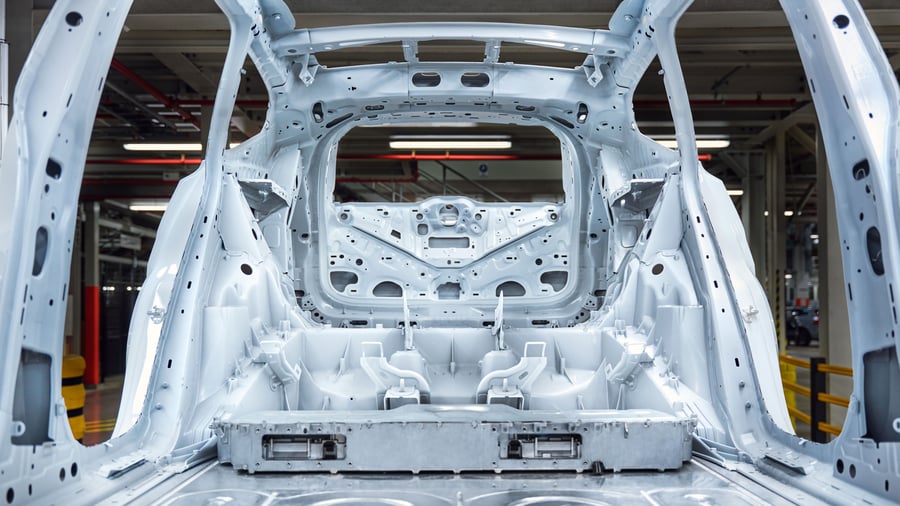
The key to this cost advantage lies in two groundbreaking production methods: "Cell-to-Chassis" for electric vehicles and "Gigacasting" for body construction. In the Cell-to-Chassis approach, batteries are integrated directly into the vehicle's body, eliminating the need for a separate battery compartment. This not only streamlines the production process but also makes the battery a central structural component of the car.
Written by urgent.news from Handelsblatt's reporting — not their text. Machine-written — may contain errors; check the original before relying on it.