Analysis: Ghana’s yellow fever numbers reveal a gap between vaccination and protection
Ghana recorded about 450 suspected yellow fever cases between June and September 2026, according to Health Minister Kwabena Mintah Akandoh. Of these, 74 were reported in the Upper West Region, with three laboratory-confirmed cases. The Minister has not provided a national total of confirmed cases.
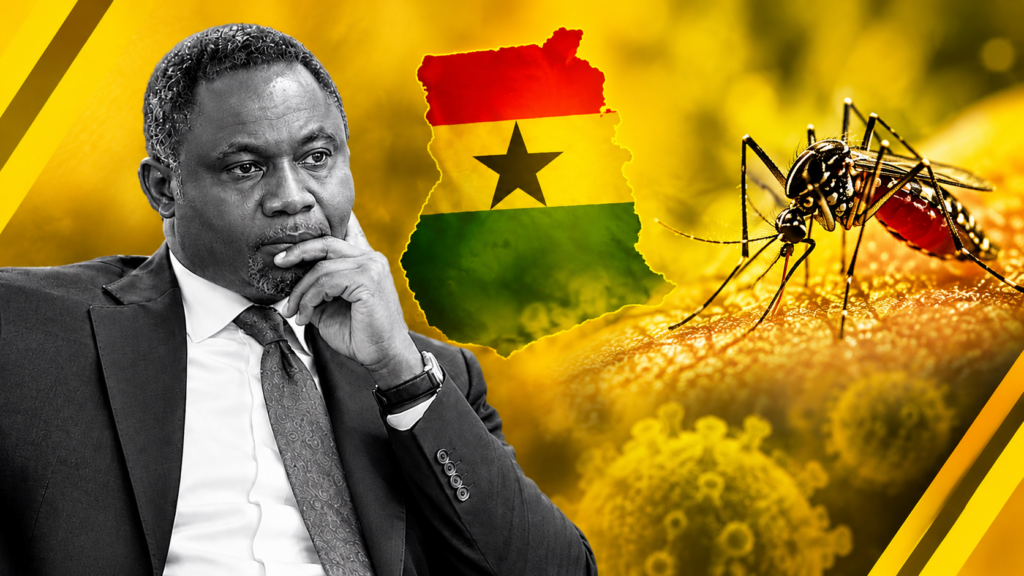
Between June and September 2026, Ghana recorded approximately 450 suspected cases of yellow fever, according to Health Minister Kwabena Mintah Akandoh. The Upper West Region accounted for 74 of these cases, with three confirmed laboratory results. This raises two key questions: how many of these suspected cases are actual infections, and how well does Ghana know who is protected against the disease?
The distinction between suspected cases and confirmed infections is crucial, as vaccination coverage does not equate to verified immunity. Yellow fever is a potentially fatal viral disease transmitted through mosquito bites, with symptoms including fever, headache, and muscle pain, and severe cases can lead to organ failure and death.
Vaccination remains the most effective preventive measure. Data from the World Health Organization (WHO) indicates 235 reported yellow fever cases in Ghana from 2021 to 2025, but directly comparing these figures with the 450 suspected cases reported in 2026 would be misleading. Suspected cases are individuals who meet investigation criteria, while confirmed cases have undergone necessary testing and classification.
Some suspected cases may be confirmed, while others are discarded. The 2021 outbreak in Ghana reported 202 suspected cases, with 70 confirmed, resulting in a confirmation rate of approximately 35%. Applying this confirmation rate to the current 450 suspected cases would not accurately reflect the true number of infections, as factors such as population size, timing, testing capacity, and epidemiological circumstances may vary.
The Ministry of Health has reported 450 suspected cases but has not disclosed a national breakdown of confirmed, negative, and pending results. Without this information, the scale of transmission and response progress remains uncertain. The Upper West Region accounts for roughly 16.4% of the 450 suspected cases, with only three confirmed cases out of the 74 reported.
This 4.1% confirmation proportion is provisional and does not estimate the actual infection rate in the region. Upper West has experienced yellow fever outbreaks before, such as the 2021 Wa East outbreak, which had 57 suspected cases, 12 confirmed, and four fatalities. The study also revealed that routine yellow fever vaccination coverage in the district was 25% before the outbreak, rising to 95% after a mass vaccination campaign.
This suggests that national vaccination averages may mask communities with significantly lower protection levels. National vaccination coverage estimates from WHO/UNICEF put Ghana at 94% in 2021, 95% in 2022, and 88% in 2023, while WHO's latest regional report indicates a coverage rate of 91% in 2025.
Written by urgent.news from MyJoyOnline Ghana's reporting — not their text. Machine-written — may contain errors; check the original before relying on it.