America’s next family car might look a lot like a golf cart
For decades, automakers have been designing cars to look like they have faces. Headlights resemble eyes, grilles look like mouths, and the shape of a hood can give a vehicle something resembling an expression. That is, of course, no accident. Designers have long played on our tendency to see human features in inanimate objects, giving sports cars aggressive scowls and family-friendly vehicles…
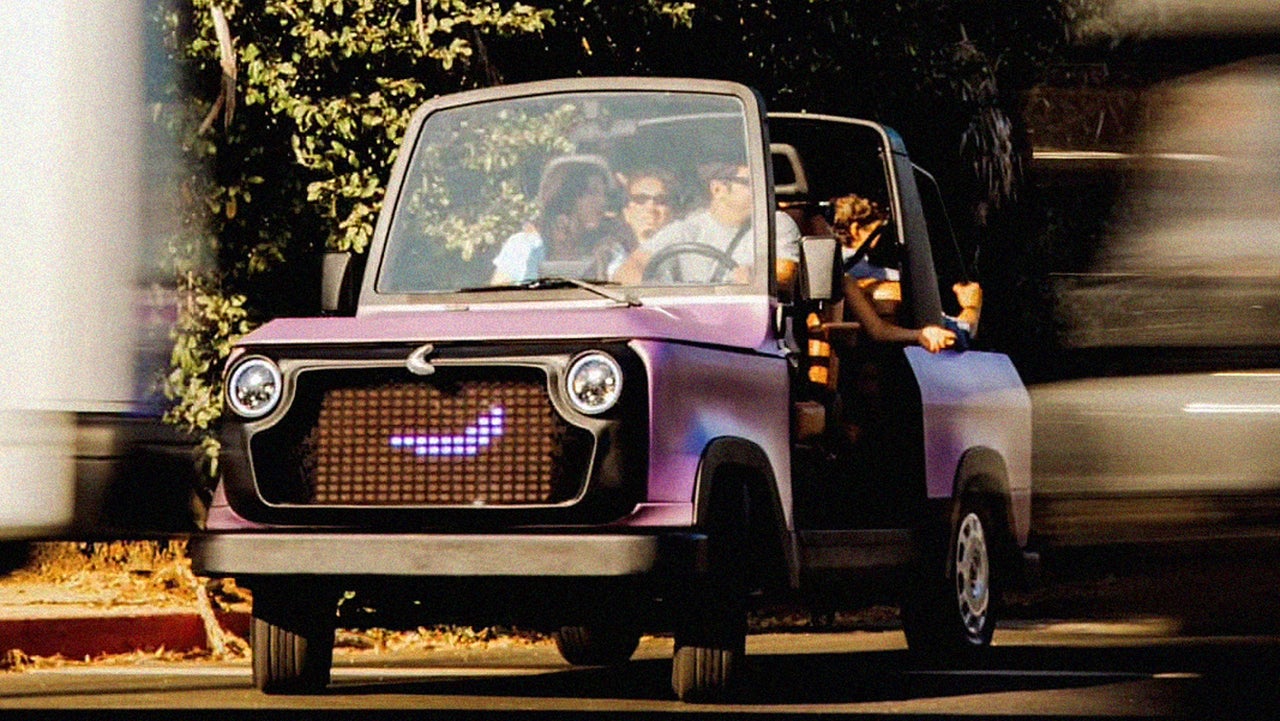
In the realm of automobile design, a new entrant aims to bring a unique touch to the family car market. Chip Motors, a Miami-based startup founded in 2024, has unveiled the Chip, a six-seater minicar that could redefine the concept of everyday transportation. Unlike traditional automobiles that mimic human expressions through their headlights, grilles, and hoods, the Chip goes a step further by literally smiling at its passengers and even blinking its headlights.
This innovative approach is part of a broader trend in the automotive industry, characterized by the electrification of vehicles, rising car ownership costs, and the growing popularity of golf carts. Golf carts, typically used for short local trips, have seen a 6% annual growth in the U.S., with sales valued at $1.1 billion in 2025.
Their popularity has extended beyond golf courses, leading to the formation of the South Bay Local Travel Network in Southern California, which aims to create a network of lanes for these vehicles.
The Chip is not just a golf cart on wheels, but a lifestyle vehicle with a retro-futuristic design. It offers amenities such as enclosed roofs, driverless features for tasks like grocery shopping, and even agentic AI that can interact with passengers. The four-seater version of the Chip will start at $15,000, while the six-seater edition will cost $18,000. The company plans to begin deliveries of the early production runs by mid-2027.
Despite the golf cart craze, the American automobile market has largely favored larger vehicles, with about four out of five cars sold in the U.S. today being SUVs or pickup trucks. This trend is changing, especially in Sun Belt suburbs, where the need for a second car may be diminishing. Companies like Fiat, Apple, and a New York City-based startup called Wink Mark3 are also vying for a share of this growing market.
Written by urgent.news from Fast Company's reporting — not their text. Machine-written — may contain errors; check the original before relying on it.