Zuckerberg-backed Biohub’s AI biology effort hits $1.8b
Meta, Google DeepMind, and Isomorphic Labs, a UK-based AI drug discovery startup, will jointly invest US$300 million.
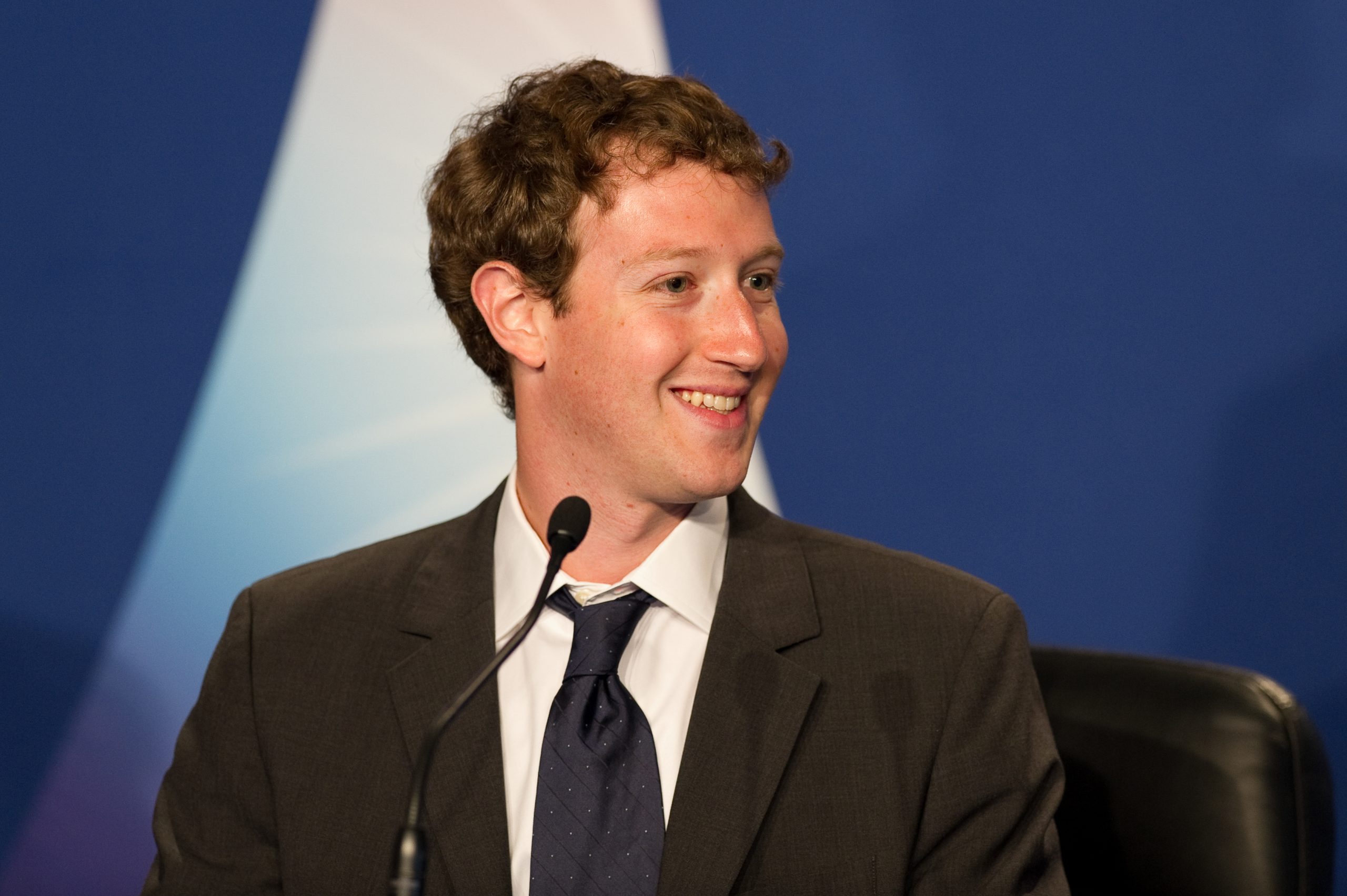
The US government, Meta Platforms, Google, and Alphabet have united with nonprofit Biohub to invest $1.8 billion in an effort to develop open datasets for training AI models related to biological research. Meta, Google DeepMind, and Isomorphic Labs are jointly contributing $300 million to the cause. The Department of Energy will provide over $500 million in funding over a five-year period for laboratory measurement, modeling, and computation.
The National Institutes of Health will coordinate datasets and repositories, building upon earlier federal funding of more than $500 million, which Biohub will standardize for AI training.
These investments aim to fuel the Virtual Biology Initiative, which seeks to measure how cells respond to various conditions far more extensively than previously studied. By analyzing this data, researchers hope to build predictive models that could significantly reduce the years-long process of drug development. Mark Zuckerberg's wife, Dr. Priscilla Chan, emphasizes that biology has been largely a discovery-based science until now, and the goal is to make this field an asset for everyone to build upon.
The datasets will eventually be made available to the public, but companies that fund them will have an advantage through embargo periods. This arrangement allows Biohub to attract private funding into the open science project. Biohub's head of science, Alex Rives, explains that the government-funded work will have no restrictions, while companies can use the data after a waiting period. Biohub plans to approach pharmaceutical companies and philanthropies to secure additional support.
Current cell datasets consist of hundreds of millions of cells, but to create an accurate predictive model, billions and eventually trillions of cells will be needed. Biohub aims to bridge this gap by compressing the required data into five years, with a first dataset ready within about a year. The partners anticipate having accurate predictive models within five years as well.
Other AI labs, such as Anthropic and the OpenAI Foundation, are also pursuing similar initiatives, recognizing the potential of biology and medical datasets for AI research.
Written by urgent.news from CNA - Business's reporting — not their text. Machine-written — may contain errors; check the original before relying on it.
This story
This is one outlet's version. Read the fullest account.
- US government, Google join Zuckerberg-backed Biohub in $1.8 billion push for AI biology data channelnewsasia.com
- US government, Google join Zuckerberg-backed Biohub in $1.8 billion push for AI biology data economictimes.indiatimes.com
- Finland orders pause on Google AI data centres over environmental concerns euronews.com
- Google, Meta, and U.S. government join Biohub's $1.8 billion AI biology data push qz.com