Google debuts SynthID Detector tool for flagging AI-generated content, but it’s far from perfect
Google LLC is making its SynthID identification tools for artificial intelligence-created and AI-edited videos and images more widely available with the launch of a new service today that everyone can use. The web-based SynthID Detector can identify images, video and audio clips that have been created using AI models from Google, OpenAI Group PBC, Nvidia […] The post Google debuts SynthID…
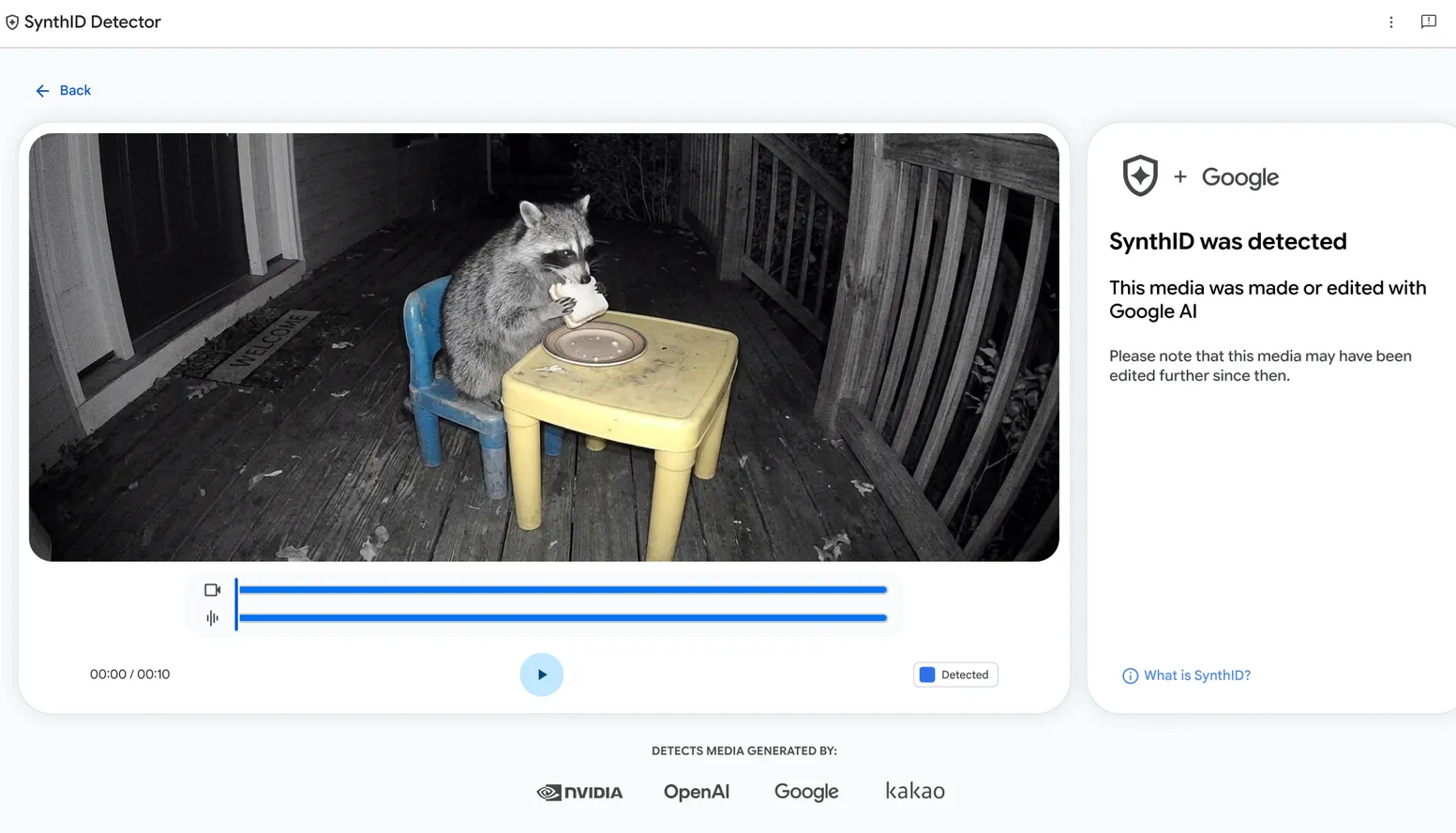
Google has launched a new service called SynthID Detector that can identify AI-generated content, including images, video, and audio clips created using AI models from major companies like Google, OpenAI, Nvidia, and Kakao. To use the tool, users need to sign in with a Google, OpenAI, or Apple account. The service will soon be expanded to identify images created with Apple's AI tools, such as Image Playground.
SynthID is an imperceptible watermark added to AI-generated content from the mentioned companies. However, the tool has limitations. It can't detect AI-generated content that doesn't have a SynthID watermark, which is a significant portion of AI-generated content. Additionally, SynthID Detector can't tell apart content that has been entirely created from scratch or just edited using AI.
Furthermore, it can't distinguish between different types of media (image, audio, video) due to varying technical requirements for watermarking.
Despite these issues, SynthID Detector represents a step forward in verifying AI-generated content. However, it's not enough on its own, as there's no universal standard for watermarking AI content among all major AI model makers. Google, with its influence and existing partnerships, is in a strong position to drive the development of such a standard. Google acknowledges the need for more partnerships and aims to work on extending SynthID Detector's capabilities to identify more types of AI-generated media.
Written by urgent.news from SiliconANGLE's reporting — not their text. Machine-written — may contain errors; check the original before relying on it.