Why are more roofs not made of solar tiles?
Solar tiles were touted as an attractive alternative to solar panels - why have they not taken off?
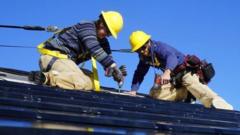
Despite solar roof technology's potential, it has struggled to gain widespread adoption in the US. The Solar Service of Colorado, a solar maintenance and inspection company, acknowledges that some people find solar panels unattractive. As an alternative, solar roofs use tiles or shingles with solar cells that blend in with traditional roofing materials. This appealing aspect is particularly crucial for historic buildings governed by heritage regulations.
The popularity of solar roofs surged in August when Tesla halted their sales due to disappointing performance and a lawsuit over sudden price hikes. Other companies followed suit, leading to concerns about the demise of solar tiles. However, others see it as an opportunity, such as the Swiss company Freesuns, which has seen a 20–30% sales growth since its establishment in 2019.
Freesuns' CEO, Deborah Learoyd, highlights the challenges of manufacturing solar roof components in smaller batches, leading to higher unit costs. The unique shape and installation process of solar roofs necessitate collaboration among roofers, solar installers, and electricians, adding time and complexity to the project. Repairing solar shingles is also more challenging and costly than standard PV setups, as there is no easy way to identify issues like with electronics on traditional panels.
Solar roofs tend to be less efficient than standard solar panels due to their smaller size and thermal losses caused by less airflow. Additionally, colored tiles are even less efficient because black is the most effective color for absorbing light. While appearance was a significant concern for solar roofs five years ago, cost is now the primary factor for most consumers. However, proponents argue that solar roofs should be viewed as an additional source of energy rather than competing with traditional solar panels.
Advancements such as matrix shingling technology, which enables electrical current to flow around shaded areas, could improve solar roof efficiency and aesthetics. Better automated design software could also streamline the installation process and lower costs. Despite setbacks, Freesuns remains optimistic about the future of solar roofs, believing they could eventually become the standard for new roof installations.
Written by urgent.news from BBC Science's reporting — not their text. Machine-written — may contain errors; check the original before relying on it.
This story
This is one outlet's version. Read the fullest account.