Too many quantum startups, too little money to keep them alive
Gartner predicts more than half will fold by 2030, even as businesses begin testing the technology's usefulness
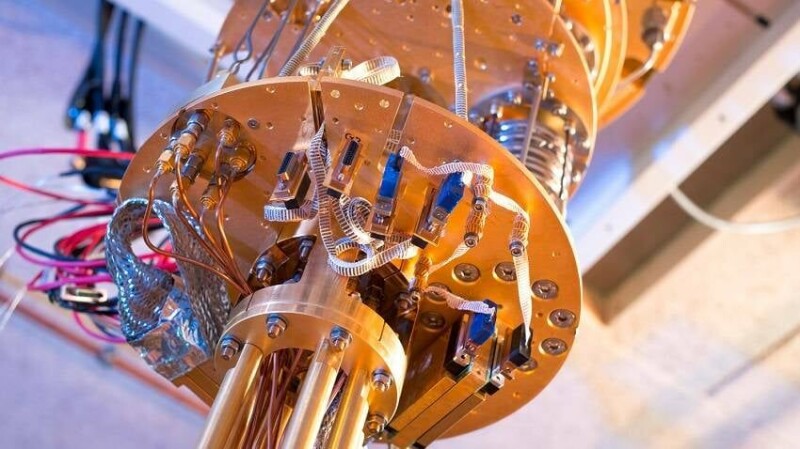
Gartner predicts that the majority of quantum computing startups will cease operations by 2030 due to a saturated market and insufficient commercial revenue generation. The analyst expects customers to reject technologies that cannot achieve fault-tolerant quantum computing, which is reliable computation despite errors in the underlying hardware.
Despite this forecast, enterprises are investing early, as quantum technologies demonstrate initial indications of practical business advantages. However, broad commercial utility remains elusive, and organizations are instead focusing on building expertise rather than waiting for the technology to mature.
Currently, the quantum startup landscape is estimated to consist of between 200 and 300 companies competing in a market projected to generate $1.1 billion in worldwide revenue by 2027. This represents a minor portion of the quarterly revenue of major tech companies like Samsung and Nvidia. While established players such as IBM or Google have ample revenue streams, quantum startups may struggle with sustainability, often relying on seed funding that could run out if investors do not perceive the potential of the technology.
The quantum industry faces numerous challenges, but it is making steady progress in various areas. This includes the number of quantum bits (qubits) in a system, algorithm development, gate speeds, and reliability. Gartner identifies the public sector and the financial industry as the two markets most likely to invest significantly in quantum computing initiatives.
In the public sector, spending is expected to reach $245 million by 2027, up from $219 million this year. Meanwhile, banking, finance, and insurance firms are projected to overtake the public sector in 2028, with expenditures of $289 million compared to $280 million. However, Gartner warns that these forecasts do not bode well for a 2028 initiative led by the US Department of Energy, as it is unlikely to succeed given the limited funding.
Written by urgent.news from The Register Science's reporting — not their text. Machine-written — may contain errors; check the original before relying on it.
This story
This is one outlet's version. Read the fullest account.
- Too many quantum startups, too little money to keep them alive theregister.com