Too many quantum startups, too little money to keep them alive
Gartner predicts more than half will fold by 2030, even as businesses begin testing the technology's usefulness
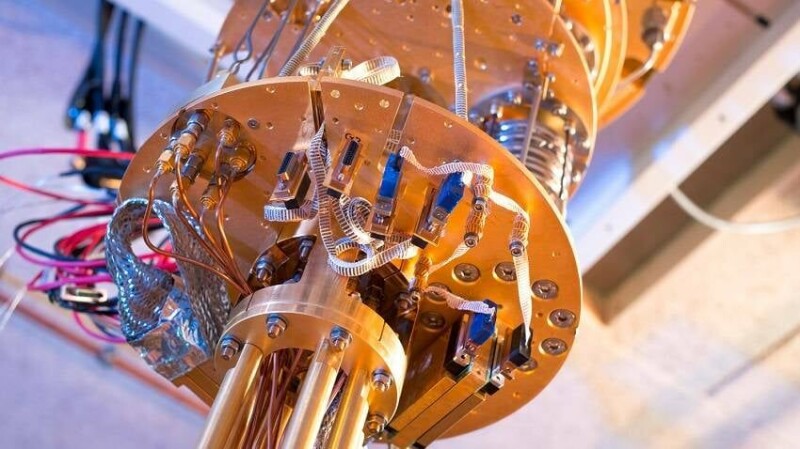
Gartner predicts that over half of quantum computing startups will cease operations by 2030 due to an oversaturated market struggling to generate sufficient commercial revenue. The analyst anticipates that customers will dismiss technologies failing to achieve fault-tolerant quantum computing, reliable computation despite hardware errors.
Despite this forecast, enterprises are making initial investments as quantum technologies demonstrate early signs of practical business advantage. However, broad commercial usefulness remains elusive, and organizations are building expertise instead of waiting for technology maturation. According to Gaurav Gupta, Gartner VP analyst and chief of research for its emerging market dynamics team, CIOs and IT leaders should view their quantum journey as a multi-year endeavor aimed at gaining a competitive business advantage over competitors.
The quantum computing market is projected to reach $1.1 billion in worldwide revenue by 2027, representing a small fraction of large companies like Samsung and Nvidia's quarterly revenue, albeit an increase from $869.9 million this year. Developing practical quantum computers necessitates sustained funding, and while major players like IBM and Google have ample revenue streams, startups may face challenges if they cannot convince investors of their potential.
The industry still faces numerous hurdles but is progressing steadily, marked by advancements in quantum bits (qubits), algorithm development, gate speeds, and reliability. Gartner claims that the era of early quantum advantage has arrived as noisy intermediate-scale quantum processors now possess enough qubits to perform complex tasks with improved error reduction.
The public sector and financial industry are expected to spend the most on quantum computing initiatives, with the public sector leading initially due to nations' strong desire for technical leadership. Total spending in this sector is projected to reach $245 million by 2027, up from $219 million this year. Financial institutions are anticipated to surpass the public sector in 2028, spending $289 million against a projected $280 million.
They are expected to maintain their position as the largest customer sector through 2030. The US Department of Energy has initiated an ambitious program, aiming to have up to ten participants deliver a fault-tolerant, scientifically relevant quantum computer by 2028, but given the modest funding offered, this goal is almost certain to fail.
Written by urgent.news from The Register's reporting — not their text. Machine-written — may contain errors; check the original before relying on it.
Also reported by 1 other outlet
- Too many quantum startups, too little money to keep them alive theregister.com