The big unanswered question about Russia’s ‘plague’ death
Russia says it is winding down precautionary measures taken after a lab worker at a plague research institute died. But what made officials think these were needed at all?
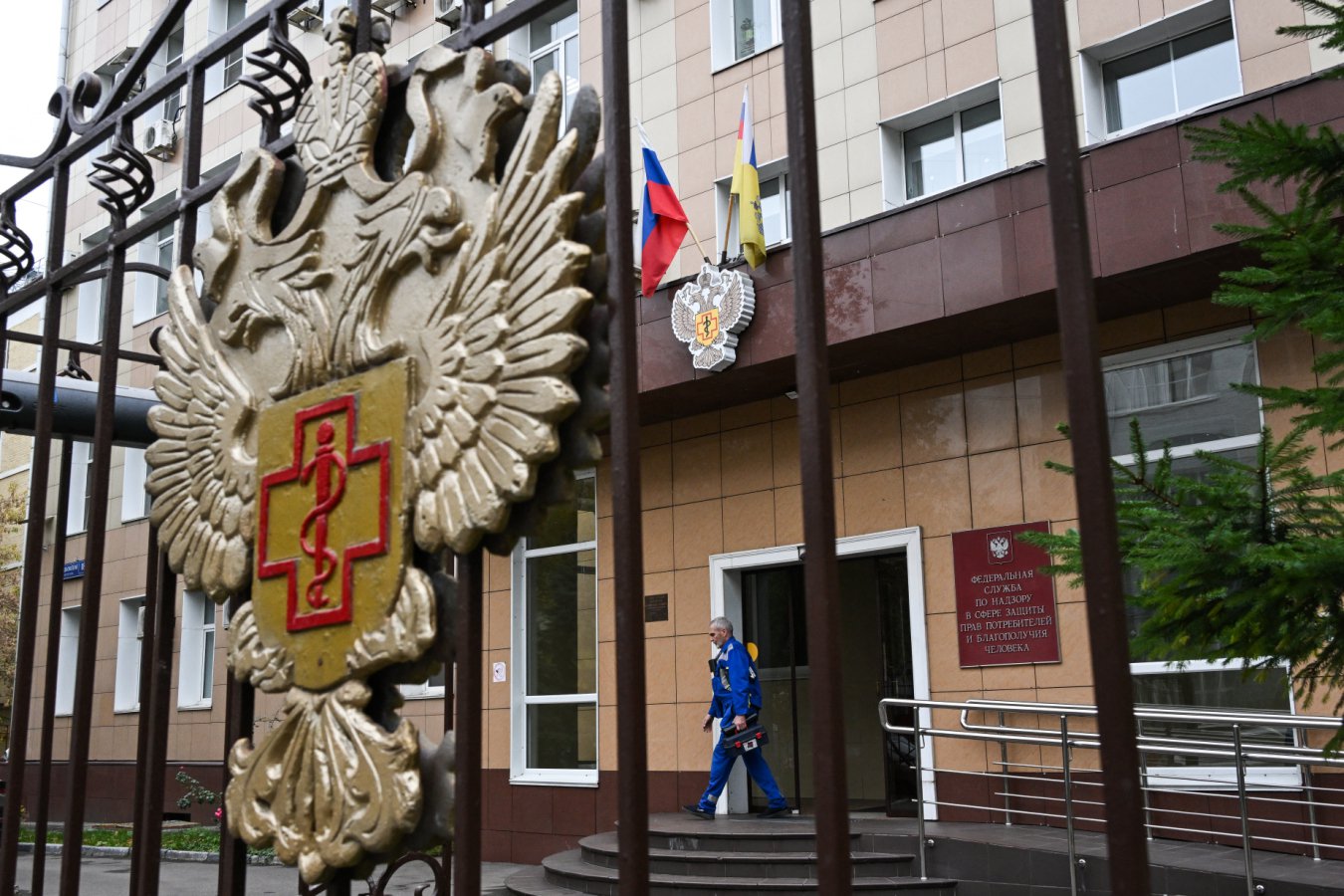
The sudden death of a lab worker at Russia's plague research institute in Irkutsk has raised concerns and prompted a drastic response from authorities. Daria Shipilova, a 28-year-old scientist, passed away from pneumonia just three days after being hospitalized. In the wake of her demise, nearly 200 individuals who may have had contact with her were placed under quarantine, with around 60 employees at the institute confined for days.
This intense response has fueled speculation about whether it was an overreaction or a deliberate cover-up.
The Russian health watchdog, Rospotrebnadzor, has since declared that the precautionary measures have been lifted and that most of the quarantined individuals have been released, as tests have found no dangerous pathogens. However, the true cause of Shipilova's death remains unknown, as well as the exact circumstances of her potential infection. This leaves a critical question unanswered: why did Russia's response go so far beyond what would be expected for a case of plague?
Two main theories have been proposed to explain the government's excessive reaction. The first is that Russia suspected Shipilova had been exposed to an engineered strain of the plague bacterium Yersinia pestis, possibly an attempt to create a bio-weapon. This theory is supported by historical evidence of the Soviet Union's extensive bioweapons program and its attempts to create plague-resistant strains. Additionally, the Irkutsk institute was previously involved in such research, though only in a limited capacity.
Alternatively, it is possible that the quarantine was imposed due to a lack of knowledge or understanding of the true cause of Shipilova's illness. Testing for Y. pestis can take up to three days, and officials might have jumped to conclusions without waiting for the results. It is also conceivable that Shipilova contracted a strain of the plague that could have been treated with antibiotics if administered earlier, but the authorities overreacted due to a lack of accurate information.
Despite these theories, the truth remains shrouded in uncertainty, as Russia's history of deception surrounding similar incidents casts doubt on the veracity of their statements.
Written by urgent.news from New Scientist's reporting — not their text. Machine-written — may contain errors; check the original before relying on it.
This story
This is one outlet's version. Read the fullest account.
- The earliest known plague outbreak happened in what is now Russia 5,500 years ago. Scientists found the evidence in ancient teeth. meduza.io
- Russia reports a worker at a Siberian plague institute got pneumonia from an unknown cause and died phys.org
- Trump: U.S. willing to help Russia with potential pneumonic plague outbreak axios.com
- WHO says it does not have ‘full picture’ from Russia following suspected plague death theguardian.com