Sojitz in Vietnam 40 years from individual projects to a business cluster KATAMARI
As it enters its 40th year in Vietnam Sojitz is pursuing a development model built around an interconnected business cluster KATAMARI leveraging its global network and cross sector expertise to expand cooperation and explore new growth opportunities
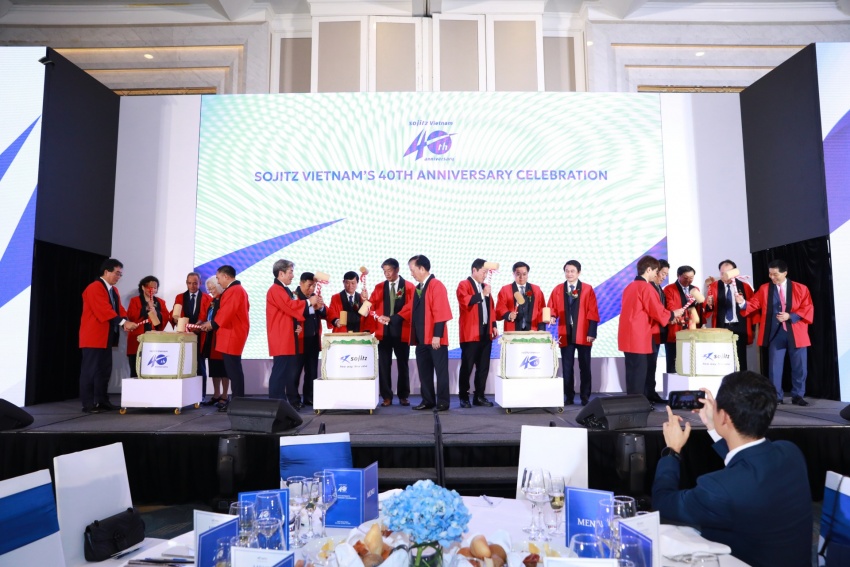
On October 5, Sojitz Corporation marked its 40th anniversary in Vietnam, reflecting a significant transformation in the country's economy during its presence. Today, the Japanese trading and investment company operates over 30 subsidiaries and joint ventures in Vietnam, employing around 8,400 people. This growth illustrates Sojitz's evolution from individual investments to a diverse business portfolio with a focus on connecting businesses and projects for new opportunities.
In 1986, as Vietnam implemented Doi Moi economic reforms, Nissho Iwai, a precursor to Sojitz, established a liaison office in Hanoi. The company initially concentrated on production and domestic resources, including forestry plantations, wood chip processing, and fertilizer production. Notable investments from this period include Vietnam-Japan Chip Corporation (Vijachip) and Japan Vietnam Fertilizer Company (JVF).
As foreign direct investment increased, Sojitz expanded into industrial infrastructure, such as developing Loteco Industrial Park in Dong Nai province and Long Duc Industrial Park. These projects provided production space for domestic and foreign companies, particularly Japanese investors.
Sojitz's portfolio expanded further into energy, retail, paper, livestock, and food processing sectors. These ventures, such as the Japan Vietnam Livestock Company (JVL) joint venture with Vietnamese partners, facilitate integrated chains in livestock farming, processing, distribution, and retail. This model helps maintain quality, secure supply, and cater to customers with more demanding requirements.
Kosuke Uemura, President and CEO of Sojitz Corporation, emphasized that the company's achievements over the past four decades were not solely its own success, but a collective story with its customers, partners, government leaders, and colleagues who believed in Vietnam's future. Looking forward, Sojitz plans to transition from developing individual projects to building interconnected business clusters, assessing investments based on their potential to generate opportunities across the value chain.
This strategy aligns with Vietnam's long-term development goals for 2045, focusing on industrialization, infrastructure modernization, digital transformation, and green transition. Japanese Ambassador to Vietnam Naoki Ito praised Sojitz's role in positioning Vietnam as a significant link in global supply chains, particularly in high-value-added industries like semiconductors and pharmaceuticals.
Uemura expressed optimism about Vietnam's prospects, emphasizing innovation and sustainable development as priorities for Sojitz's future.
Written by urgent.news from Vietnam Investment Review's reporting — not their text. Machine-written — may contain errors; check the original before relying on it.