Sino-American stability without trust
The defining features of US-China relations are stability without trust and deceleration without resolution.
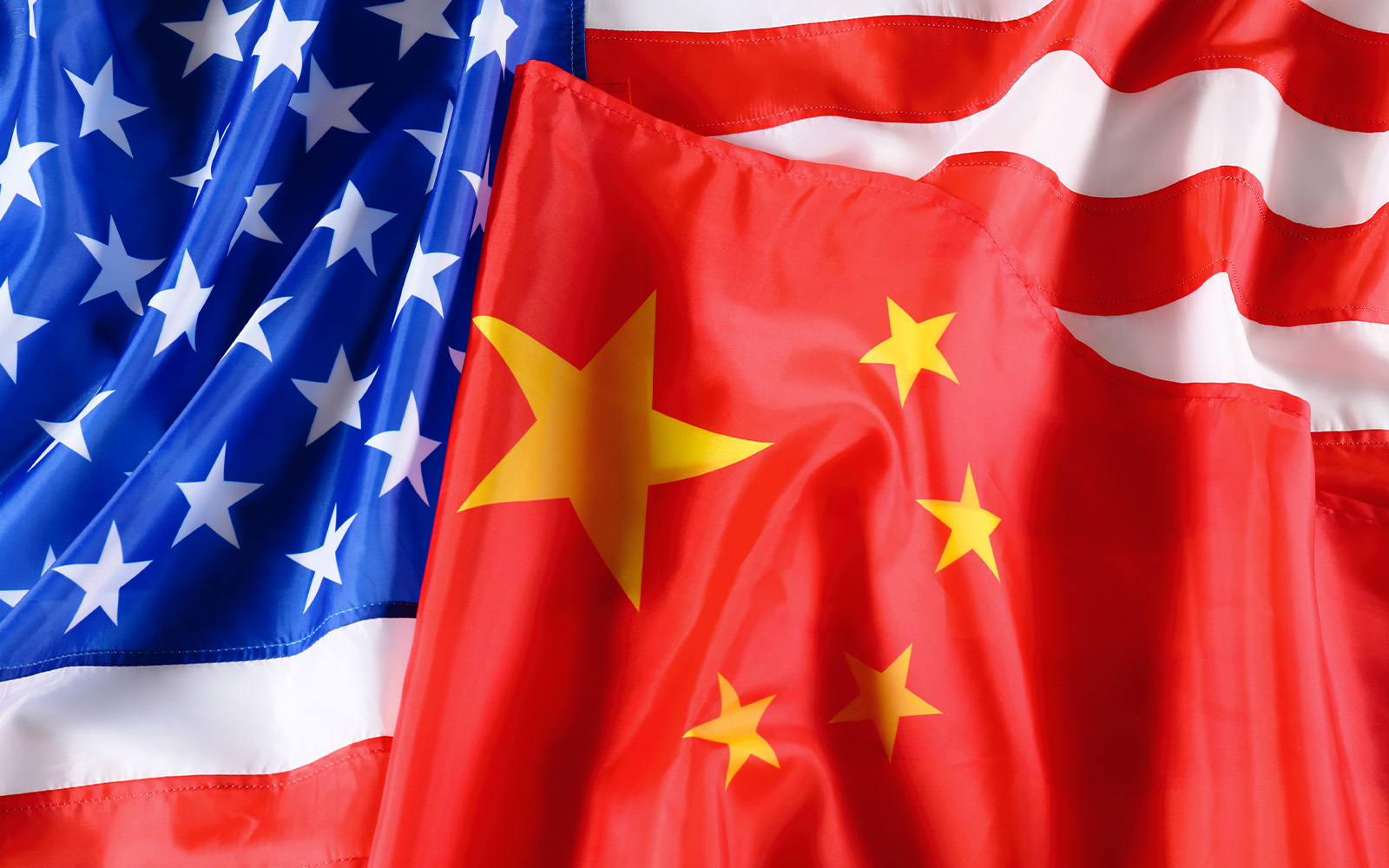
The recent meeting between US President Donald Trump and Chinese President Xi Jinping focused on preventing tensions from worsening. The summit achieved a joint pledge to foster a "constructive China-US strategic relationship based on mutual respect, fairness, and reciprocity." However, the main challenge now lies in defining this relationship.
The Trump administration saw the phrase as a potential route for trilateral discussions involving the US, Russia, and China, but China was less keen on the idea. Both sides acknowledged that regular high-level communication is the key to preventing accidental escalation. They agreed to meet again in November at the Asia-Pacific Economic Cooperation summit in Shenzhen and in December at the G20 summit in Miami.
The two-month extension of the trade truce, although shorter than expected, highlighted the existing distrust between the two nations. Neither government is willing to make significant concessions as long as there is little trust in each other's intentions. The two countries also agreed to extend preferential tariff treatment on about USD 30 billion worth of non-sensitive goods.
China will import ten million tonnes of US coal in 2027-28, and a bilateral agricultural working group will be established. These steps suggest a model of regulated trade, indicating reduced expectations rather than diplomatic success. Investment talks were less successful due to legal and political hurdles in the US, particularly concerning Chinese capital and national security concerns.
A notable addition was a bilateral dialogue on AI, led by Chinese Vice-Premier He Lifeng and US Treasury Secretary Scott Bessent. While both nations support safe AI development, their terminology and approaches reveal significant disagreements. The Taiwan issue was the most contentious, with China urging the US to oppose "Taiwan independence," while the US reaffirmed its non-support stance.
This discrepancy could remain politically volatile, especially during the upcoming midterm elections. Despite the lack of significant progress, China's interest in Middle East stability, as reflected in its agreement with the US, demonstrates its growing role in global diplomacy. The relationship continues in a holding pattern, with temporary measures in place until clearer domestic US political conditions emerge.
Both countries are working towards a model of managed competition, where cooperation is prioritized, competition is kept within limits, and differences are managed, aiming for peace. However, achieving this remains aspirational as the most pressing issues, such as semiconductors and structural imbalances, remain unresolved.
Written by urgent.news from Free Malaysia Today's reporting — not their text. Machine-written — may contain errors; check the original before relying on it.
This story
This is one outlet's version. Read the fullest account.
- Sino-American stability without trust freemalaysiatoday.com