Oil’s long goodbye – what it means for the Gulf
Even as global oil demand continues to grow, albeit gradually, it is broadly understood that technological developments could eventually drive that demand to zero by the end of the 21st century. However, the latest economic research shows that such a fall in oil demand won’t necessarily mean a fall in oil production – in fact, in the short run, we may paradoxically see higher levels of oil…
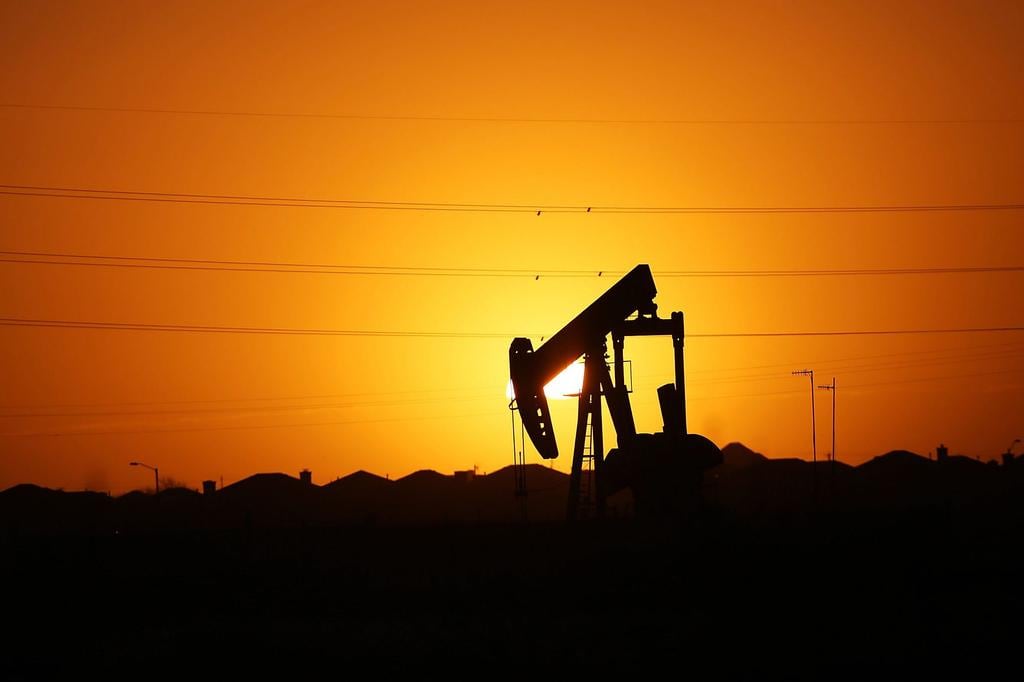
Even as global oil demand continues to rise, albeit gradually, technological advancements could potentially drive demand to zero by the end of the 21st century. However, recent economic research indicates that in the short run, we may see an unexpected increase in oil consumption despite falling demand. This has significant implications for Gulf countries.
Despite disruptions to the Strait of Hormuz, oil demand remains robust and is expected to grow steadily. However, experts predict a terminal decline in oil demand starting around mid-century due to sustainability commitments, the rise of alternative technologies like electric cars and solar power, and oil-consuming nations' desire for greater energy security.
If these predictions hold true, it may initially seem that falling oil demand would lead to reduced production; however, recent research by University of Chicago professor Ryan Kellogg challenges this assumption. Kellogg's simulations reveal two opposing forces that make it uncertain whether reduced oil demand will result in decreased supply or even encourage oil-rich countries to boost production.
The first scenario, termed "disinvestment," suggests that producers will delay investing in new wells if they forecast a substantial decline in oil demand. The substantial upfront capital expenditure and long production cycle, typically five years, mean that operators may refrain from investing if they anticipate an imminent demand contraction.
This could result in a gradual tapering off of oil production as existing fields deplete, potentially keeping global supply in line with declining demand and maintaining stable oil prices. The second scenario, dubbed the "green paradox," posits that policies intended to protect the environment may drive a decrease in oil demand but simultaneously cause a sharp increase in oil supply.
This could occur if oil-rich nations aim to prevent their reserves from becoming "stranded assets," meaning they want to extract as much oil as possible before it becomes commercially unviable in the future. In this case, global oil prices would plummet as a supply glut clashes with diminishing demand. Kellogg also notes that OPEC's coordinated production decisions could amplify the green paradox, as a decrease in quota adherence due to anticipated demand decline could lead to a laxer output configuration.
While the world may not neatly fit into either the disinvestment or green paradox scenario, the combined effect of both forces will determine the outcome. Kellogg's analysis of historical oil-producing countries' behavior suggests that the disinvestment effect is more likely to dominate, meaning that falling oil demand will correspondingly reduce oil supply, resulting in relatively stable oil prices.
Written by urgent.news from The National UAE's reporting — not their text. Machine-written — may contain errors; check the original before relying on it.
Also reported by 1 other outlet
- Oil’s long goodbye – what it means for the Gulf thenationalnews.com