Not the end of the road for juvenile offenders
Behind the gates of Henry Gurney School, young people are given the education, skills and confidence to build a life beyond their past mistakes.
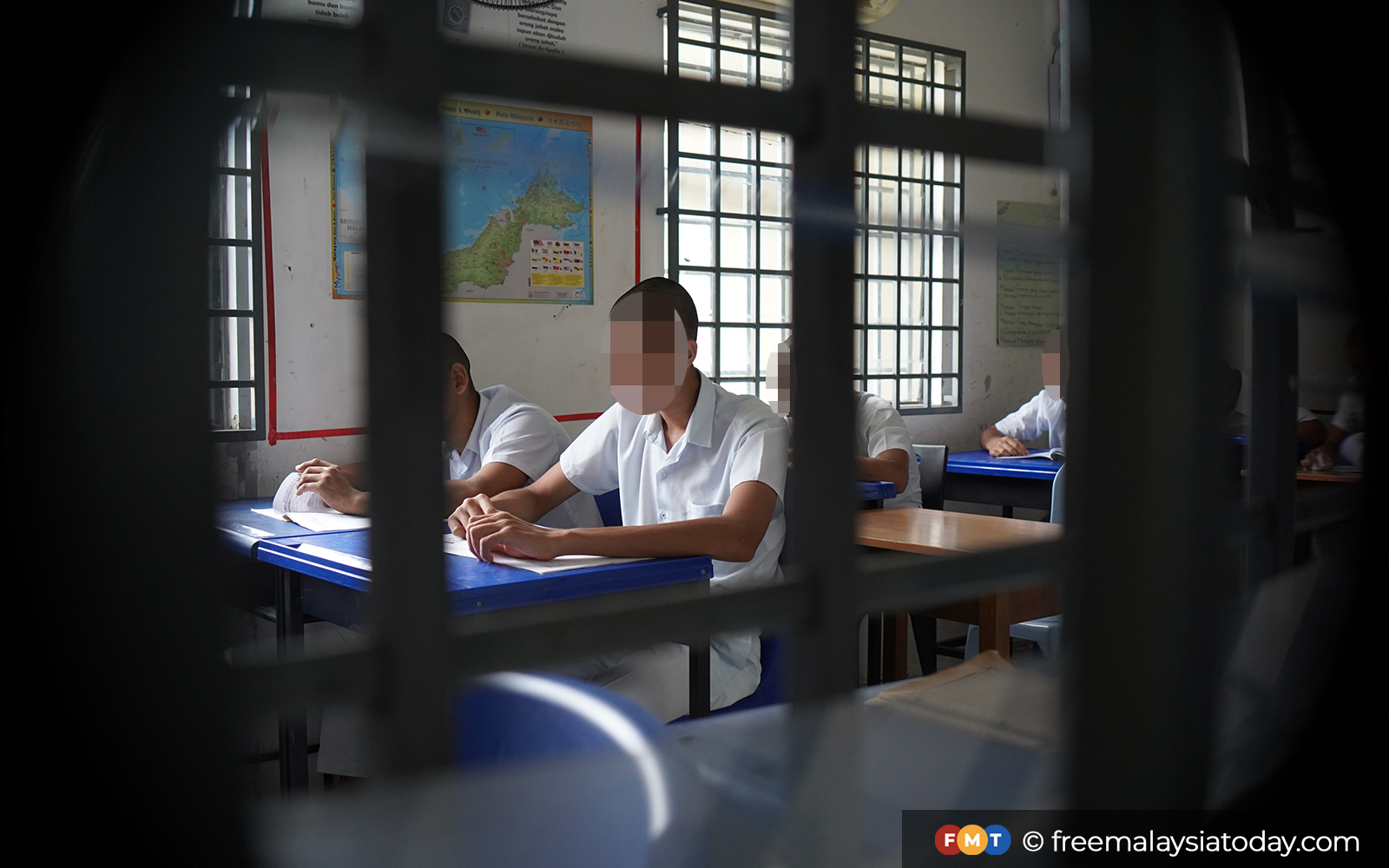
In Malaysia, the Henry Gurney School in Melaka is a correctional facility for young offenders that aims to provide rehabilitation and prepare residents for a different future beyond serving time in prison. Director Triyo Kurniawan Kusmadi emphasizes that unlike a prison record, which could hinder a young person's chances of furthering their education, finding employment, and starting anew, Henry Gurney opens doors for them.
The school offers a comprehensive correctional education program focusing on five key areas: academics, religion, sports, Technical and Vocational Education and Training (TVET), and arts, culture, and music. Upon arrival, new residents undergo diagnostic assessments to determine which area best suits their needs, with the ultimate goal of equipping them with the skills and confidence to reintegrate into society.
Residents can engage in various activities, ranging from physical pursuits like Muay Thai, boxing, and weightlifting to practical skills training in sewing, pastry-making, automotive work, electrical work, and landscaping. Music is also a significant part of the program, with residents learning instruments such as the violin and performing in orchestras or bands.
Some even participate in external competitions, showcasing their talents beyond the school's premises. The school provides certification courses recognized by the skills development department, offering a pathway towards diploma-level studies.
Triyo takes pride in the success stories of former residents who have excelled academically. For instance, one resident scored 8As in 2023 and is now pursuing a law degree at Universiti Utara Malaysia, while another obtained 5As in 2024 and enrolled in certificate and diploma programs. He believes that the support of families remains crucial during this rehabilitation process, rather than abandoning young people.
The school currently houses 425 residents, consisting of 390 males and 35 females, down from around 800 to 900 before the pandemic. Sexual offenses, including rape and sodomy, account for 31% of the cases, followed by drug-related and other offenses.
Triyo stresses that the barbed-wire fences surrounding the school symbolize a new beginning rather than a dead end. The joint efforts of the prisons department and Henry Gurney School provide a foundation, but society also plays a vital role in accepting these young individuals and supporting them in shaping their own lives.
Written by urgent.news from Free Malaysia Today's reporting — not their text. Machine-written — may contain errors; check the original before relying on it.
Also reported by 1 other outlet
- Not the end of the road for juvenile offenders freemalaysiatoday.com