Korean literature needs translator autonomy to reach global readers
INCHEON — Korean literature’s growing international recognition must be matched by sustained translation funding and greater autonomy, translators said Thursday, warning that global success cannot rest on individual passion. Speaking at “Translation: Text in Transit,” an international colloquium organized by the National Museum of World Writing Systems, Debora Smith, Anton Hur and Choi Mi-kyung…
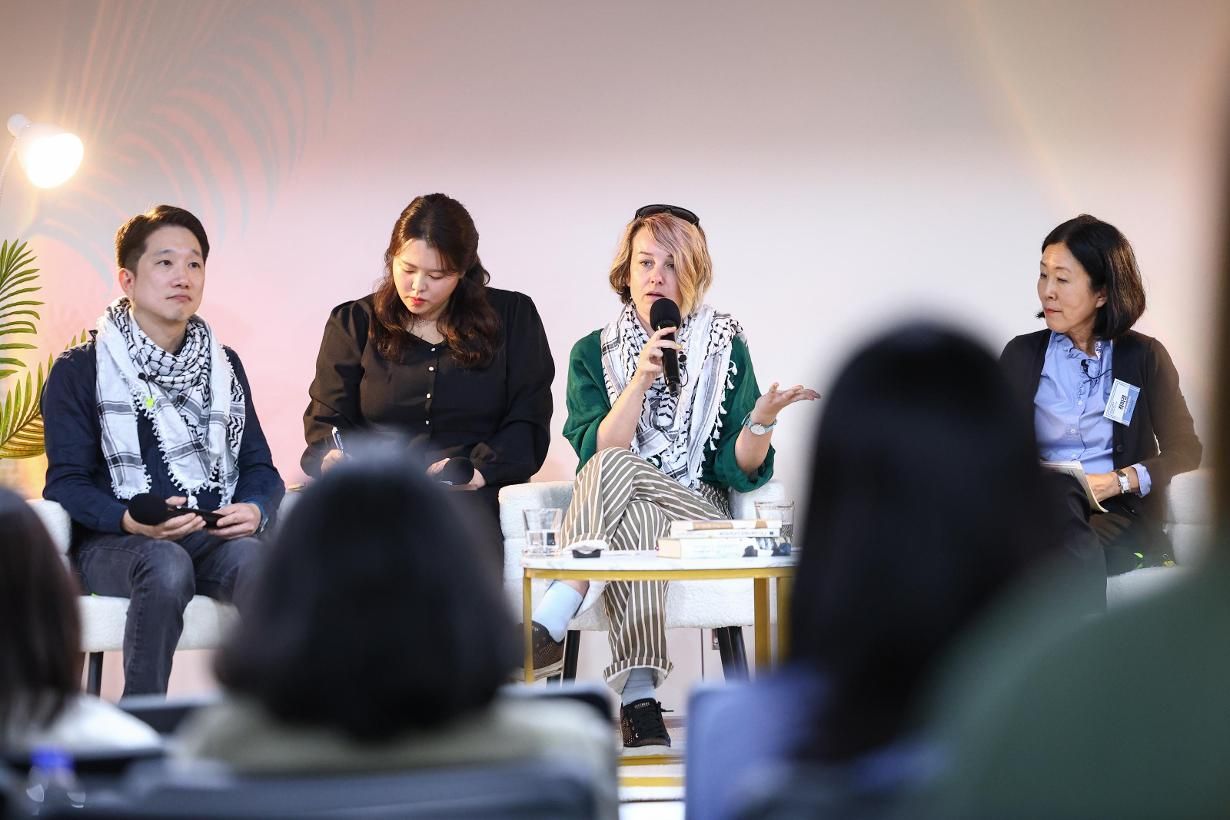
Incheon — Translators have called for sustained translation funding and greater autonomy to match Korean literature's growing international recognition, warning that global success cannot rely solely on individual passion. Debora Smith, Anton Hur, and Choi Mi-kyung, speaking at the "Translation: Text in Transit" international colloquium organized by the National Museum of World Writing Systems, urged support that allows translators to discover overlooked works while emphasizing the importance of human judgment in literary translation.
Smith, who translated Han Kang's 2016 Man Booker International Prize-winning "The Vegetarian," recalled her decision to learn Korean when its literature was scarce in British bookstores, noting that the landscape has since dramatically changed. Both Smith and Hur stressed that Han Kang's Nobel Prize reflected years of work by translators across various languages, rather than being a result of a single award or author.
Written by urgent.news from The Korea Times's reporting — not their text. Machine-written — may contain errors; check the original before relying on it.
This story
This is one outlet's version. Read the fullest account.
- Korean literature needs translator autonomy to reach global readers koreatimes.co.kr