It’s time for China to offer more than statements on Hormuz
Two summits in five months between US President Donald Trump and President Xi Jinping have produced shared language but not an open Strait of Hormuz. After the May meeting in Beijing, there was little sign the two sides agreed on how to end the war. Xi’s visit to Washington yielded no breakthrough on Iran, though Xi backed a return to the interim US-Iran agreement. Last week, Trump rejected a…
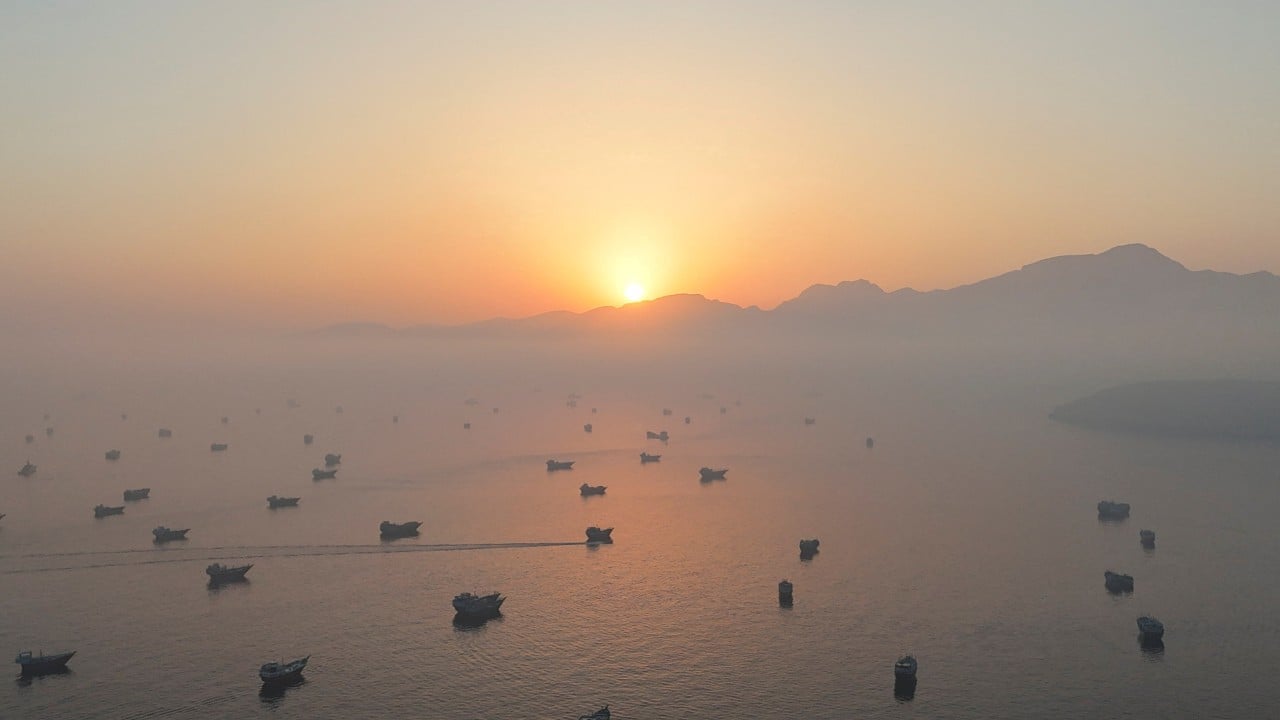
In the ongoing war that began on February 28, China's diplomatic efforts have focused on principles rather than practical solutions. The shared understanding from the two summits between US President Donald Trump and Chinese President Xi Jinping, held in five months, emphasizes the importance of not allowing any entity to impose tolls on international waterways. However, this statement lacks actionable steps.
Chinese Foreign Minister Wang Yi expressed on September 16 that the region's security architecture requires reform and strengthening. While China does not aim to replace the US as the Gulf's security guarantor, it has a significant stake in the region. In 2025, China imported almost half of its crude oil and a third of its liquefied natural gas (LNG) from the Middle East.
The challenge lies in demonstrating leverage. Gulf governments have been under direct threat, with the UAE reporting over 2,800 Iranian missiles and drones targeted between February 28 and the April ceasefire. Analysts note that Wang has refrained from pressuring Iran and has not provided a concrete mediation plan. However, China should articulate its intentions, propose solutions, and specify its requirements from Iran and the United States.
Building trust with Gulf nations requires presenting concrete measures. China's involvement in brokering the 2023 Saudi-Iran agreement illustrates its capacity for convening power. Yet, the International Crisis Group observed that progress in restoring relations has stagnated after the initial surge of reopened embassies and senior official visits.
A potential solution is the establishment of a Gulf crisis management mechanism, overseen by China. This mechanism, with a modest mandate, would facilitate direct communication channels, standardized reporting of maritime incidents, and emergency consultations during heightened tensions. Its primary purpose would be to prevent miscalculations at sea from escalating into a larger conflict.
Previous efforts, such as the US-Soviet Incidents at Sea agreement, demonstrated that while they did not end a rivalry, they reduced the risk of escalations.
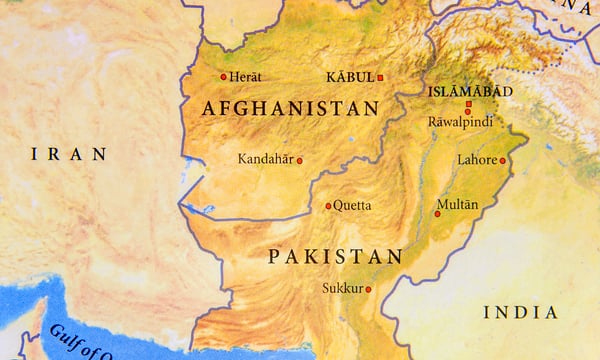
China has already engaged with Tehran regarding the safe passage of crude oil and LNG from Qatar. Additionally, countries like Oman, Qatar, and Pakistan have taken steps to mediate, with China co-authoring a five-point plan with China in March. However, the success of such a mechanism depends on regional consensus and functions that all participants can accept.
While China may be reluctant to directly engage in the Gulf militarily, its economic influence could translate into political confidence if its leverage is perceived as beneficial for trade and investment, rather than exacerbating crises. The real test for China will be whether its influence can prevent any miscalculation from spiraling into a broader conflict.
Written by urgent.news from Reuters Business via SCMP's reporting — not their text. Machine-written — may contain errors; check the original before relying on it.
This story
This is one outlet's version. Read the fullest account.