It’s time for China to offer more than statements on Hormuz
Two summits in five months between US President Donald Trump and President Xi Jinping have produced shared language but not an open Strait of Hormuz. After the May meeting in Beijing, there was little sign the two sides agreed on how to end the war. Xi’s visit to Washington yielded no breakthrough on Iran, though Xi backed a return to the interim US-Iran agreement. Last week, Trump rejected a…
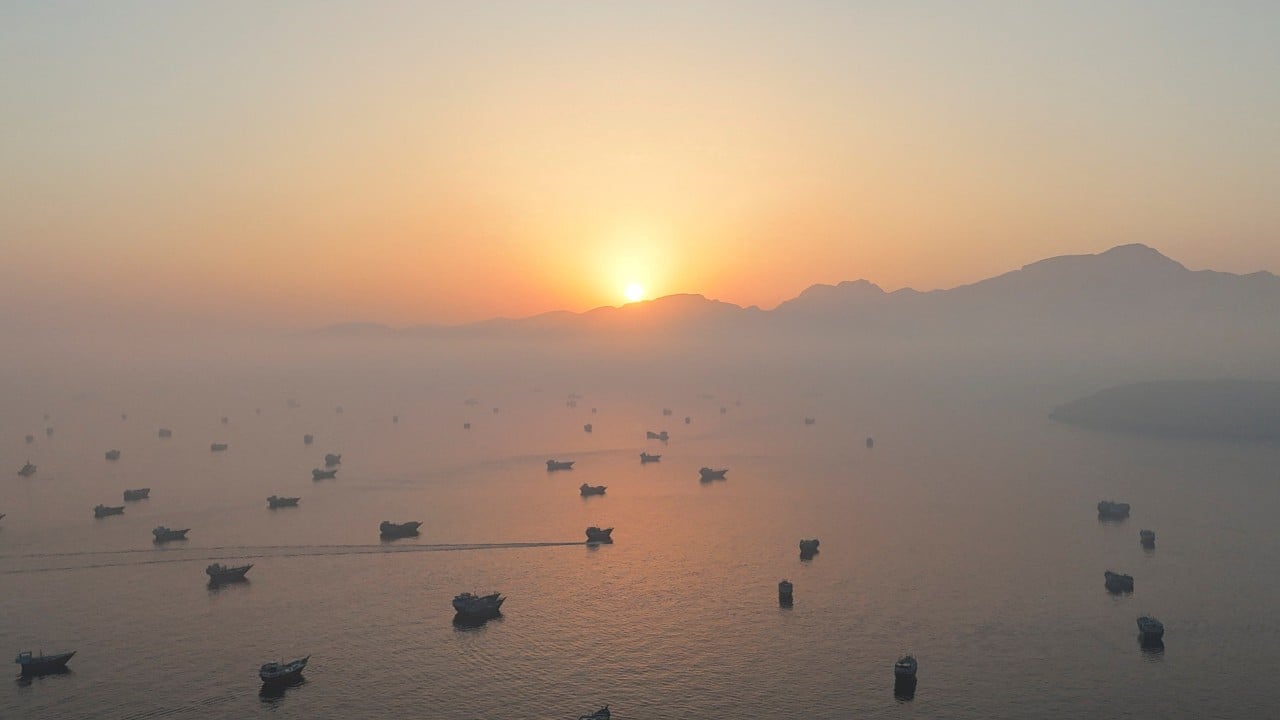
In the ongoing conflict since February 28, China has been vocal in its principles but has fallen short in translating them into concrete actions. Two summits between US President Donald Trump and Chinese President Xi Jinping have produced shared language but no resolution to the crisis. While Xi backed a return to the interim US-Iran agreement, Trump rejected an Iranian truce proposal and hinted at resuming US bombing of Iran after the midterm elections.
Xi's stance suggests that China's role is limited to principles rather than procedures. Foreign Minister Wang Yi acknowledged the region's security architecture needs reform and strengthening, but Beijing does not intend to replace the US as the Gulf's security guarantor. However, China's significant reliance on Middle Eastern oil and gas imports highlights its strategic interest.
The challenge lies in leveraging this interest. Gulf governments have been under direct threat, with the UAE reporting over 2,800 Iranian missile and drone attacks. They seek reassurance that China is prepared to use its influence with Tehran. Wang has not offered a concrete mediation plan, indicating that China should propose specific actions, set a venue, and clarify its requests from Iran and the US.
China's credibility with Gulf countries hinges on specifics. While China brokered a 2023 agreement between Saudi Arabia and Iran, progress has since stalled. A Gulf crisis management mechanism, backed by China, could provide direct communication lines, a shared procedure for reporting maritime incidents, and agreed protocols for protecting shipping and infrastructure.
Such a mechanism would not resolve political disputes but would prevent miscalculations from escalating into wider conflict. While the mechanism's details would be subject to Gulf state acceptance, China's economic weight could provide political confidence if its influence is seen as beneficial for trade and investment.
Written by urgent.news from South China Morning Post's reporting — not their text. Machine-written — may contain errors; check the original before relying on it.