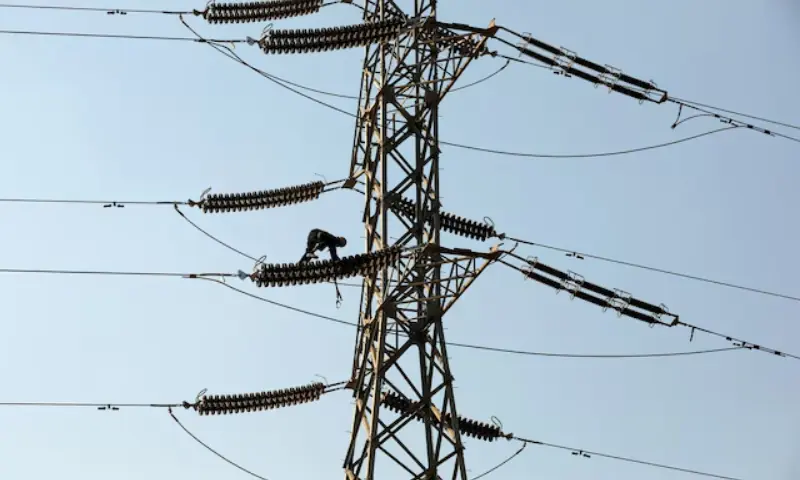
Explainer-Data centers' 'flexible' power usage could save the grid billions. Can they scale?
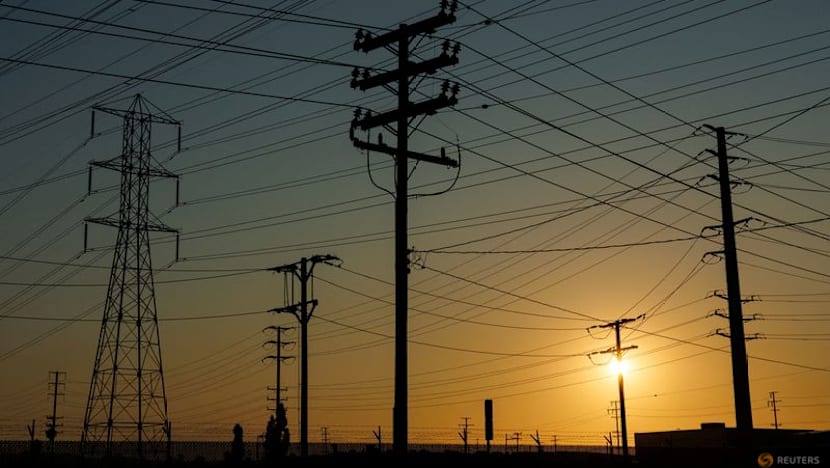
Oct 8, technology companies and utilities are looking into making data centers more adaptable with their electricity usage to help ease the stress on US power grids as AI-driven demand grows. This approach, known as demand response, involves temporarily cutting or shifting electricity use during peak demand or grid stress. Lauren Shwisberg, an energy expert, notes that states and federal agencies are increasingly exploring this tool as a way to avoid costly grid upgrades and new power generation.
The Electric Power Research Institute estimates US data center electricity use could surge from 177 terawatt-hours in 2024 to between 383 and 793 TWh by 2030. Meanwhile, surveyed data centers reported potential peak power reductions of 10 to 30 percent, with some hyperscalers going even higher. A Duke University study suggests greater flexibility could save between $40 billion and $150 billion in capital investments over the next decade.
Currently, demand response for data centers is mostly limited to pilot projects and individual agreements. However, efforts are expanding, with OpenAI recently agreeing to reduce its grid electricity draw by up to 1 gigawatt during grid stress. Federal regulators recently ordered grid operators to consider new rules for connecting large power users, including faster pathways for facilities offering this flexibility.
Google, NVIDIA, and Emerald AI launched an alliance called the AI Energy Management Alliance to advance flexible data centers. Scaling this strategy will require data centers to find ways to adjust power without disrupting customers, while utilities and grid operators need to develop incentives and interconnection pathways that reward that flexibility.
Experts say significant capital expenditure and coordinated policy frameworks will be needed to implement this approach on a larger scale.
Written by urgent.news from CNA - Business's reporting — not their text. Machine-written — may contain errors; check the original before relying on it.
This story
This is one outlet's version. Read the fullest account.