Explainer-Data centers’ ’flexible’ power usage could save the grid billions. Can they scale?
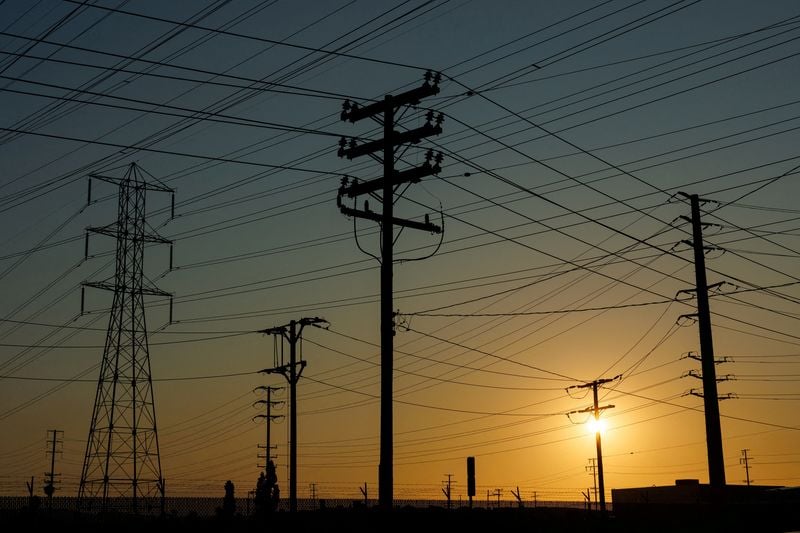
Data centers and utilities are teaming up to make power-hungry data centers more adaptable in their electricity usage patterns, a strategy known as demand response. This approach allows data centers to reduce or move their electricity consumption during times of grid strain, potentially easing the burden on US power grids as AI-related demand grows.
Lauren Shwisberg, an energy expert, notes that demand response could reduce the need for expensive grid upgrades and new power generation. US data center electricity use is expected to jump from around 177 to 192 terawatt-hours in 2024 to between 383 and 793 TWh by 2030. Current peak power reduction potential for data centers ranges from 10% to 30%, with some large-scale providers potentially achieving even higher reductions.
A Duke University study estimates that enhanced data center flexibility could save between $40 billion and $150 billion in capital investments over the next decade. Scaling up demand response for data centers is still in its early stages, with most efforts occurring through pilot projects or individual agreements. However, federal regulators are exploring new rules to facilitate faster connections for facilities willing to curtail electricity use during peak demand, and a recent initiative by tech giants like Google, NVIDIA, and Emerald AI aims to advance the deployment of flexible data centers.
Experts agree that scaling this approach will require both data centers and utilities to develop innovative tariffs, market incentives, and faster interconnection pathways that reward this adaptability.
Written by urgent.news from Investing.com's reporting — not their text. Machine-written — may contain errors; check the original before relying on it.
This story
This is one outlet's version. Read the fullest account.