Don't spray WD-40 into carpenter bee holes: this 3-ingredient DIY spray actually works instead
Looking for a natural carpenter bee repellent? Here's how to make a safe peppermint spray to keep them away for good.
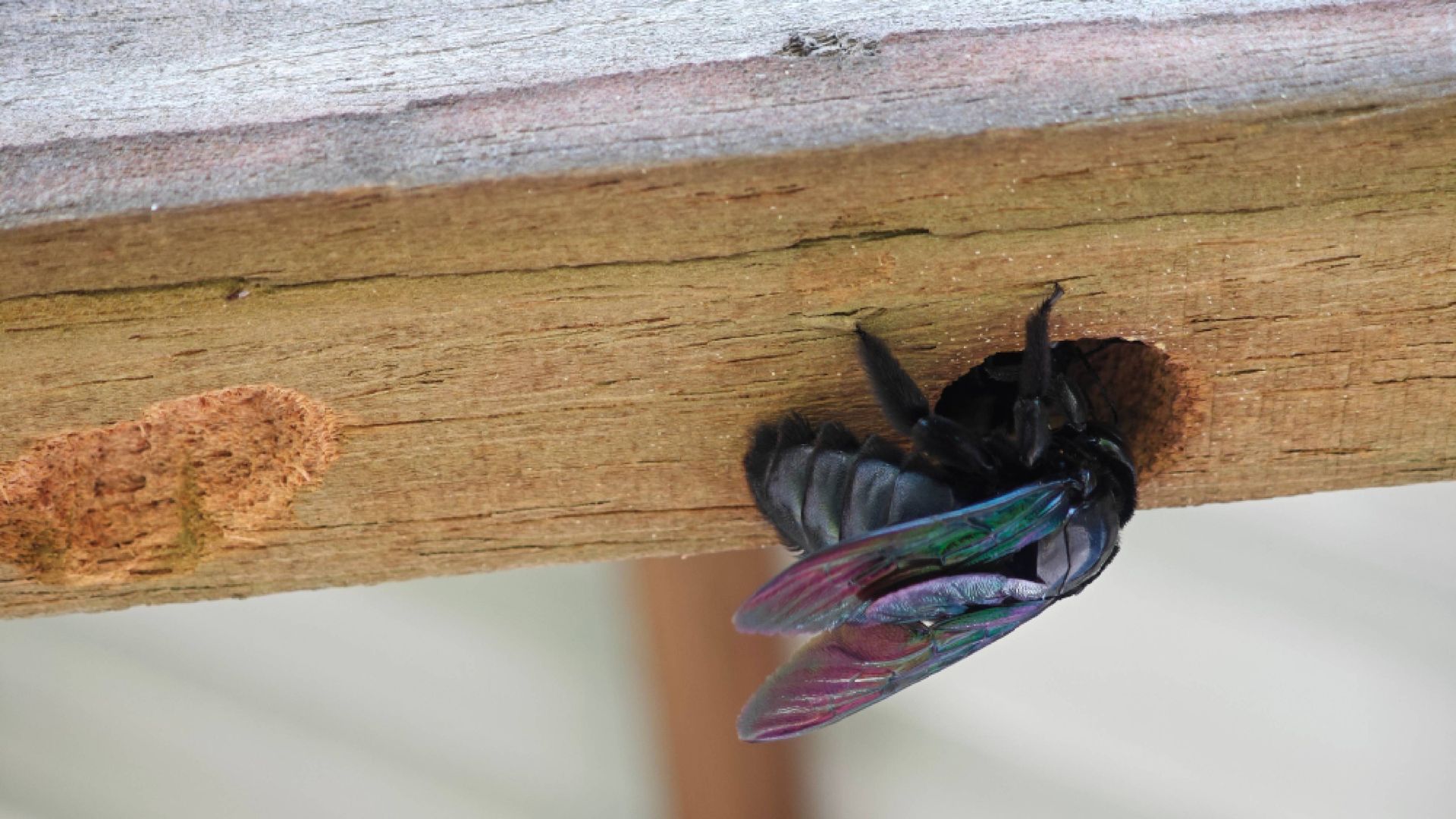
Don't spray WD-40 into carpenter bee holes: this 3-ingredient DIY spray actually works instead
Online advice telling people to spray WD-40 to deter carpenter bees is misleading and ineffective. While it may kill a bee briefly, it doesn't provide a long-term solution. Moreover, WD-40 can stain wood and harm beneficial pollinators like honeybees and bumblebees.
Carpenter bees are solitary insects that bore perfectly round holes into exposed outdoor wood for nesting. Their tunneling can weaken structural timber over time, leaving unsightly yellow stains. A gentler, pet and child-friendly alternative is a peppermint-based spray, which carpenter bees strongly dislike due to their sensitive scent receptors.
To create the DIY spray, mix 500 ml of water with one tablespoon of liquid Castile soap and 5 to 10 drops of pure peppermint essential oil in a spray bottle. The soap helps the peppermint oil cling to the wood. Spray the solution on all exposed, unpainted wood, giving the bottle a quick shake during use to keep the mixture blended.
While the peppermint spray is effective, it's not permanent. To further protect your home, seal old or active nest holes with steel wool or copper mesh, then cover them with exterior wood putty or caulk. Carpenter bees are attracted to bare, weathered softwoods, so applying a fresh coat of exterior paint or polyurethane varnish creates a barrier they rarely attempt to bore through.
Written by urgent.news from Tom's Guide's reporting — not their text. Machine-written — may contain errors; check the original before relying on it.