Gen Z and Gen Alpha Rewrite Fashion Rules: A look inside their bold wardrobes
Walk through Dubai Mall on any given weekend and it's clear: today’s teenagers and tweens aren’t dressing like miniature adults, they're dressing like their own creative directors. Gen Z (born roughly 1997-2012) and the rising Gen Alpha (born after 2010) are no longer waiting for runways or retailers to tell them what's next. They're setting the pace themselves, often faster than any fashion…
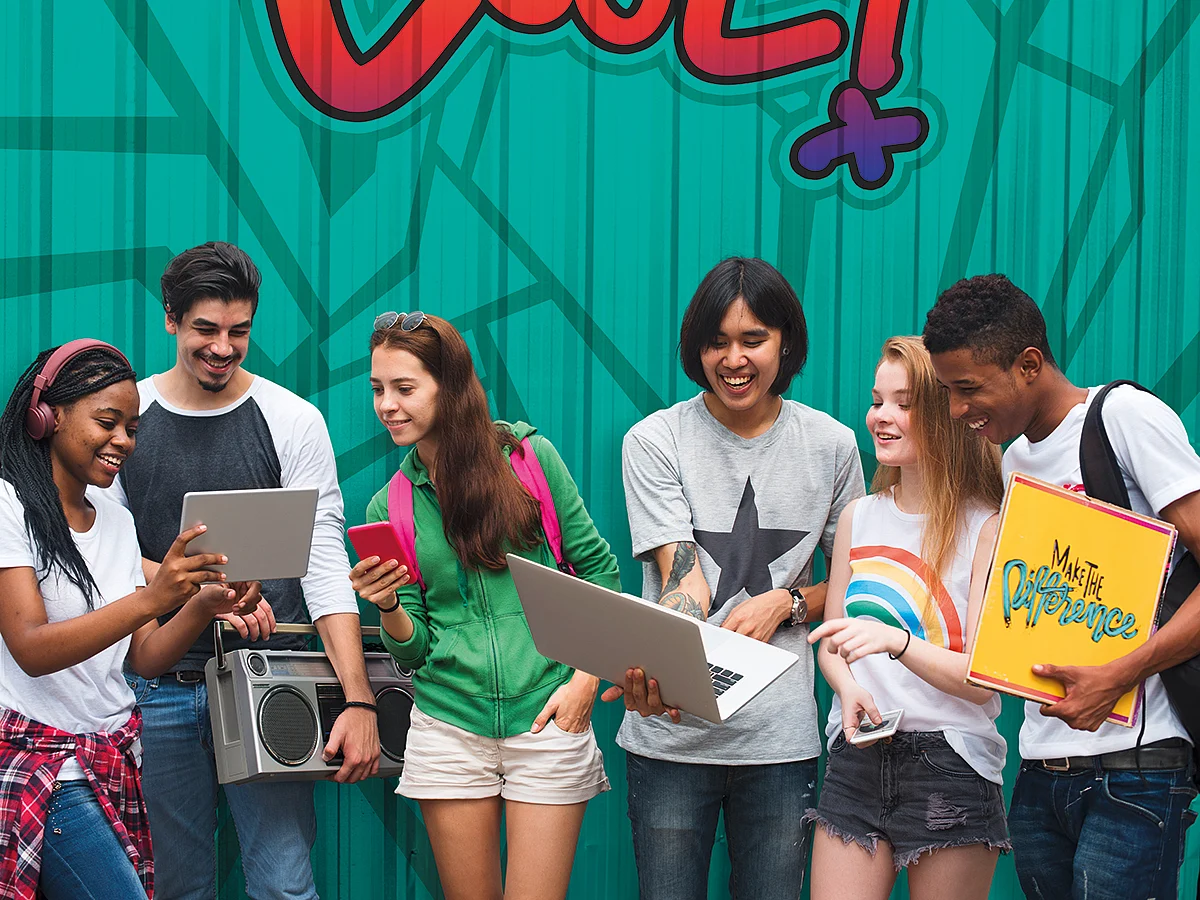
In Dubai Mall, it's evident that today's teenagers and tweens are not merely dolling up as adult imitations, but rather crafting their own unique fashion statements. Gen Z, typically born between 1997 and 2012, and their newer counterpart, Gen Alpha, born after 2010, are not waiting for fashion runways or retailers to dictate their style.
Instead, they are pioneering the trends themselves, often surpassing the pace of any fashion calendar. In the cosmopolitan Dubai, this shift is especially pronounced, as local teenagers are not only absorbing trends from their peers in Seoul, London, and Los Angeles but also implementing them within weeks of their emergence. The new youth style is defined by several key elements:
1. The End of "Head-to-Toe" Outfits: The traditional notion that an outfit must adhere to one era or aesthetic is obsolete. A single look might now merge a vintage bucket hat with futuristic trainers and a Y2K baby tee, with no fixed reference point, merely personal taste. This eclectic style, known as "Niche-Self," is driven by the ease with which fast fashion, second-hand finds, and designer pieces coexist in a wardrobe.
Social media further blurs the lines between these references, making every influence readily accessible.
2. Embracing Oversized Silhouettes: Baggy silhouettes, encompassing cargo pants, roomy blazers, XXL hoodies, and oversized denim, have supplanted the earlier thin-fit trend. For a generation that openly discusses comfort and mental well-being, loose clothing is perceived as both functional and expressive. Styling an oversized piece as a base can anchor a look, complemented by a more fitted item to maintain balance, rather than overwhelming the silhouette. Retailers have responded by introducing baggier cuts as standard across teen collections.
3. Y2K with a Modern Twist: The 2000s revival persists but has matured. Metallic mini bags, butterfly clips, and glossy eyelids are now styled with a cleaner, more restrained approach compared to the original era, incorporating elements from the "clean girl" aesthetic. While accessories remain vibrant, the base outfits stay minimalist, allowing a few statement pieces to command attention. This aesthetic's visual appeal on social media platforms contributes to its longevity.
4. Streetwear as the Global Standard: Chunky sneakers, graphic tees, bucket hats, and track jackets serve as the universal style foundation, adaptable to look polished in any setting. It is less a specific look and more a shared language that underpins many trends. Its endurance is due to its versatility, seamlessly integrating into school, sports, and social environments without requiring reimagining.
5. Visible Mending and Upcycled Design: Sustainability has transitioned from just a label to a design philosophy. Denim repaired with decorative embroidery, patchwork panels crafted from secondhand fabric, and jewelry fashioned from e-waste are now deliberate style statements. Imperfection is now celebrated; repairs and repurposed materials signify a narrative and ethical responsibility, rather than a concession, and are increasingly embraced with pride.
6. Retro Sportswear and Athletic Flair: Especially resonating with Gen Alpha is the revival of vintage athletic branding, including archive-style tracksuits, tennis-inspired skirts, and classic knitwear paired with ballet flats or traditional sneakers. It blends the polished appearance of "prep" without the rigidity, functioning as a fusion between a school uniform and a skate park.
Its popularity is amplified by the resurgence of these items on resale platforms, allowing old logos to recirculate among collectors who were not initially exposed to them.
7. Futuristic Neon Aesthetics: Neon, once a bold, garish trend, has evolved into a more futuristic, almost luminous spectrum. The current palette consists of electric limes, glowing cyans, and intense magentas, influenced by digital avatars and gaming culture alongside natural elements. This maximalist color scheme is particularly appealing to a generation accustomed to digital filters and screen-based interactions.
Initially, neon will likely feature prominently in accessories and footwear, serving as a low-risk way to experiment before incorporating it fully into outfits.
8. Quality and Durability: Beneath the surface of these ever-changing aesthetics lies a more steadfast shift towards valuing quality over quantity. A growing resistance to disposable fashion is evident, with a preference for capsule wardrobes and resale platforms. A trend that once lasted an entire season can now fade within weeks, prompting many to opt for fewer, more resilient pieces. This shift is reflected in consumer behavior, with cost-per-wear becoming a critical factor over the initial price alone.
Written by urgent.news from Gulf News's reporting — not their text. Machine-written — may contain errors; check the original before relying on it.