‘Don’t come and clog our system’, Ntshavheni warns foreign nationals seeking refuge
Ministers Khumbudzo Ntshavheni and Mmamoloko Kubayi explained the government's stance on asylum applicants.
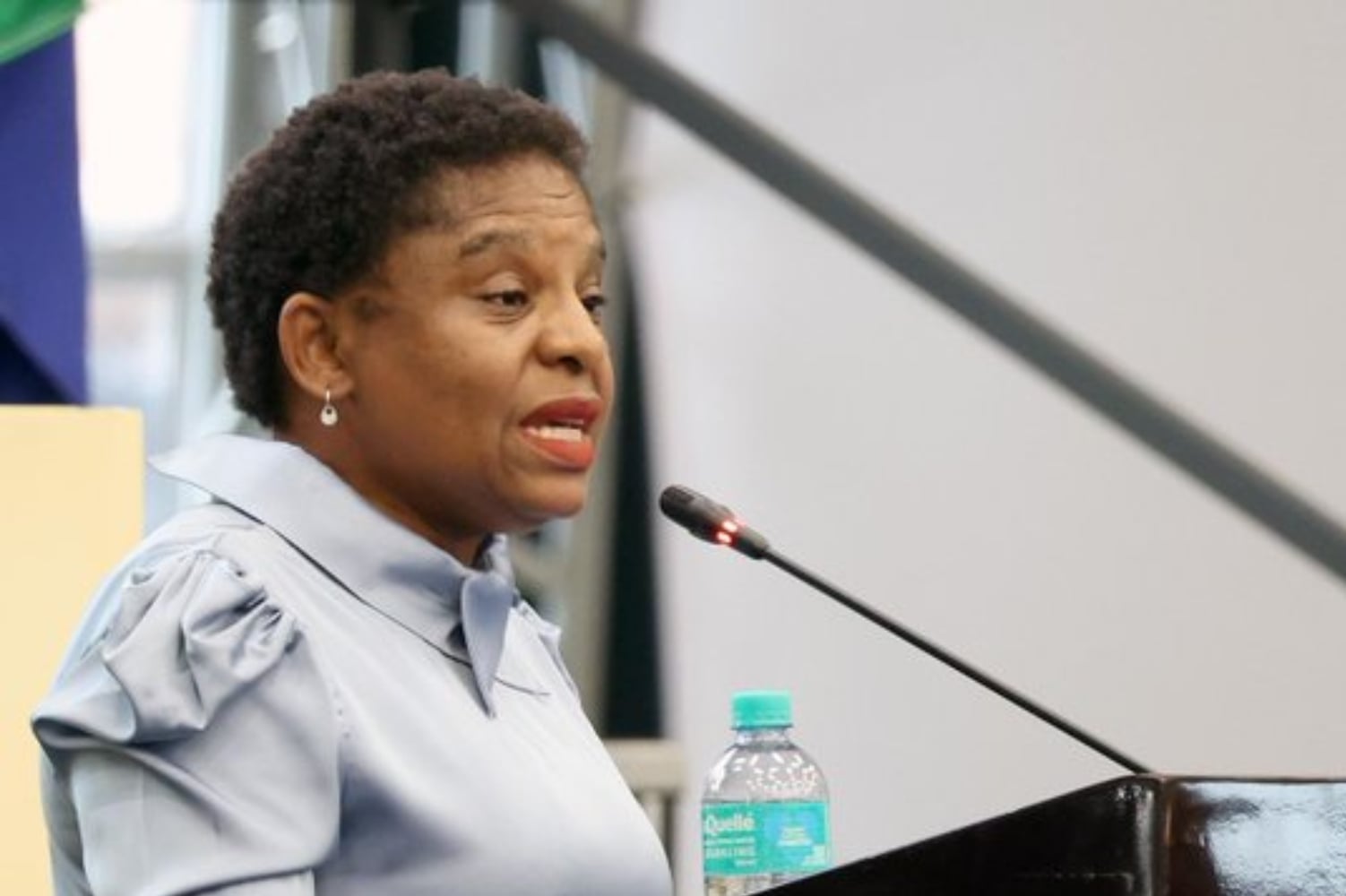
The government's immigration task team has acknowledged unintended consequences following the Constitutional Court's ruling on asylum seekers. The Interim Ministerial Committee (IMC) on migration addressed the recent surge in anti-illegal immigration sentiment by clarifying that the ruling does not provide unlimited access to asylum seekers.
The court's July decision required refugees and asylum seekers to be granted access to processing centers, regardless of their entry method into South Africa. IMC chairperson, Justice and Constitutional Development Minister Mmamoloko Kubayi, emphasized that fraudulent applications or those not meeting Refugees Act requirements would still be rejected through the established legal process.
Kubayi stressed the government's commitment to the Constitution, the Bill of Rights, and South African citizens. However, she admitted to unintended consequences due to the Scalabrini ruling, including overwhelmed refugee offices and public misunderstanding. The Home Affairs directive, signed on September 29 and implemented in response to the Constitutional Court ruling, instructed refugee centers to accommodate all asylum applicants.
Kubayi clarified that refugees would be processed at five dedicated locations, with the rest of Home Affairs' services provided at separate sites. She requested those planning blockades and disruptions not to interfere with Home Affairs offices.
IMC member Khumbudzo Ntshavheni reminded the public that the judiciary and executive branches of government are independent arms of the state working together to protect South Africans. She urged citizens to use the National Dialogue platform to discuss constitution improvements. "The judiciary looks after the constitution, but we have always maintained the constitution of South Africa must always prioritize South Africans.
If the constitution of South Africa does not prioritize South Africans, South Africans have a right to demand the amendment of that constitution to protect themselves and their own sovereignty," Ntshavheni stated.
Ntshavheni emphasized that the IMC's purpose was to combat illegal immigration, aligning with public sentiment expressed by protesters. She clarified that the government wanted people to enter the country legally and that those who arrived irregularly seeking refuge had a processing process. She stressed that the number of foreign nationals queuing for applications the week following the ruling indicated the presence of undocumented individuals in the country.
"We need to send a clear message to those who are wanting to apply for asylum in the country, that if you know that you do not qualify, don't come and clog our system," Ntshavheni advised.
To mitigate the ruling's effects, the IMC approved moving refugee reception centers closer to the border to minimize travel distances for applicants. However, the relocation process would occur in phases, starting in December. Kubayi reminded the public that the IMC had short-, medium-, and long-term objectives, and President Cyril Ramaphosa had instructed her to streamline law-making.
She emphasized that the process requires patience from citizens who should support the government's efforts, understanding it is not an overnight endeavor. "Yes, it's good to say let's do public participation because we don't want the state to have unlimited powers to make legislation, but it takes long. You don't take less than two years to change the law in this country," Kubayi concluded.
Written by urgent.news from The Citizen's reporting — not their text. Machine-written — may contain errors; check the original before relying on it.