Beyond the statistics: Why are our children still silent? — Asraf Mohamed Moubark
OCTOBER 8 — Another bullying case, another death and another number added to the statistics.When tragedy is repeat...
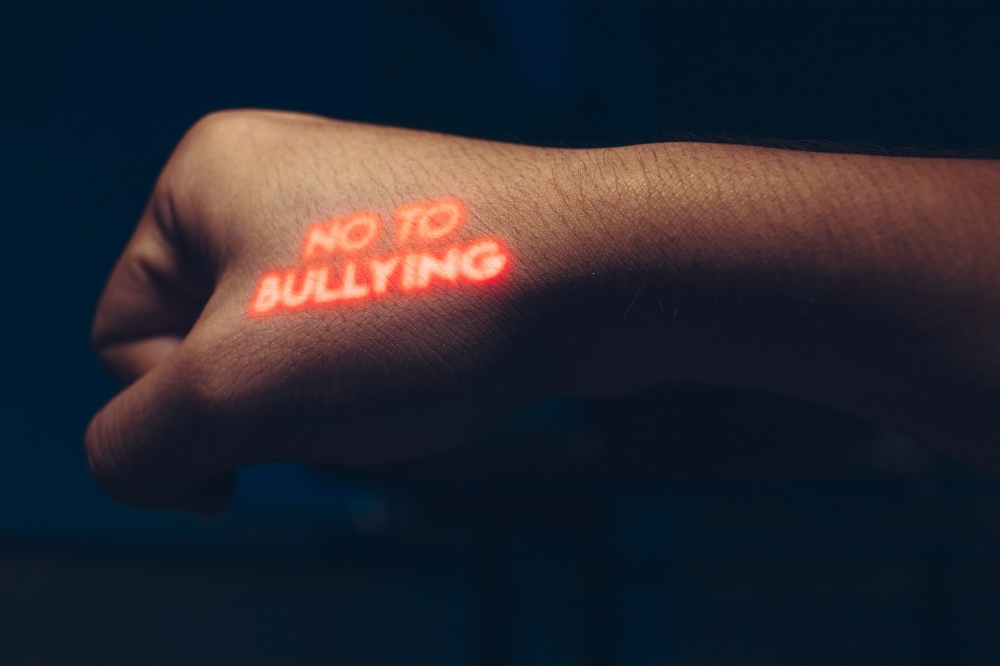
October 8th — More tragic bullying cases have unfolded, contributing to an escalating collection of statistics. The relentless reduction of such tragedies to mere numbers poses a risk of desensitizing society. A child who succumbs to bullying is not an abstract number; they are a son or daughter to a family, a friend, and a student.
Each statistic conceals a story of loss that no law, policy, or governmental program can undo. Malaysia has made strides in tackling bullying, enacting the Anti-Bullying Act 2026 and instituting an Anti-Bullying Tribunal, while bolstering school safety with anti-bullying initiatives. Nevertheless, the gravity of the issue persists.
Ministry of Education records reveal that 7,681 bullying incidents were reported in Malaysian schools in 2024, a sharp uptick from the 6,528 cases registered in 2023. More recently, the Programme for International Student Assessment (PISA) 2025 data indicate that 27 percent of Malaysian students have experienced at least one episode of bullying multiple times per month, a figure higher than the 20 percent reported across Organisation for Economic Co-operation and Development (OECD) nations.
These statistics provoke a critical inquiry: What elements are we still overlooking? The answer may not lie in additional policies, surveillance systems, or regulations. Instead, it may hinge on a profounder comprehension of the circumstances leading up to an adult's realization of a problem. The Perlis Education Department recently reaffirmed its zero-tolerance stance on bullying after an alleged incident involving a Form One student in Kangar that resulted in injuries. - Unsplash pic Bullying may instill fear of retaliation, embarrassment, or being labeled a "snitch" in the victim's mind.
Some fear that reporting could exacerbate the situation or that adults might fail to grasp the severity. This predicament is particularly challenging when the bully is part of the victim's peer group. A reporting system can only function if a frightened child trusts it sufficiently to disclose the incident. Parents play a crucial role, yet we must acknowledge that children may not instinctively divulge their experiences.
Distress may manifest through withdrawal, anxiety, reluctance to attend school, diminished interest in studies, unexplained injuries, or abrupt behavioral shifts. These signs warrant adult inquiry but may not invariably signify bullying. Schools must transcend the mere existence of policies on paper. They must guarantee that students are aware of available support, that complaints are taken seriously, and that educators possess the confidence and backing to address troubling patterns.
This does not entail blaming schools or educators. Rather, it necessitates an examination of whether concerns about reputation, parental objections, or public scrutiny can sometimes hinder the resolution of challenging cases. Experts, such as Malaysian Mental Health Association president Andrew Mohanraj and child protection specialist Lee Lyn Ni, have emphasized the necessity of a prevention-oriented approach that involves schools, parents, and digital safety measures, alongside laws and tribunals.
While CCTV surveillance, additional hostel wardens, counseling, and disciplinary measures are indispensable, they cannot constitute the sole solution. A camera may capture an incident, but it cannot elucidate why a child was too terrified to report it. A law can ensure accountability, yet it cannot alleviate the fear that deters a victim from speaking up.
Consequently, we must delve into the culture of silence surrounding bullying. Why are victims hesitant to speak out? Why do witnesses refrain from intervening? Why might parents overlook the warning signs? Could certain incidents be dismissed as petty disputes when, when viewed collectively, they unveil a far graver pattern? Until we address these questions, we risk implementing more schemes without confronting the underlying reasons that perpetuate the concealment of bullying.
The efficacy of Malaysia's response should not be gauged solely by the number of laws enacted, cameras deployed, or programs launched. Instead, it should be evaluated by whether a vulnerable child feels empowered to speak, whether someone listens, and whether that child receives adequate protection before the harm reaches irreversible proportions.
A bullied child should never have to become another statistic before we acknowledge that something has tragically gone awry.
Written by urgent.news from Malay Mail's reporting — not their text. Machine-written — may contain errors; check the original before relying on it.