Dollar creeps towards 18-month high, euro lags as bond yields rise again
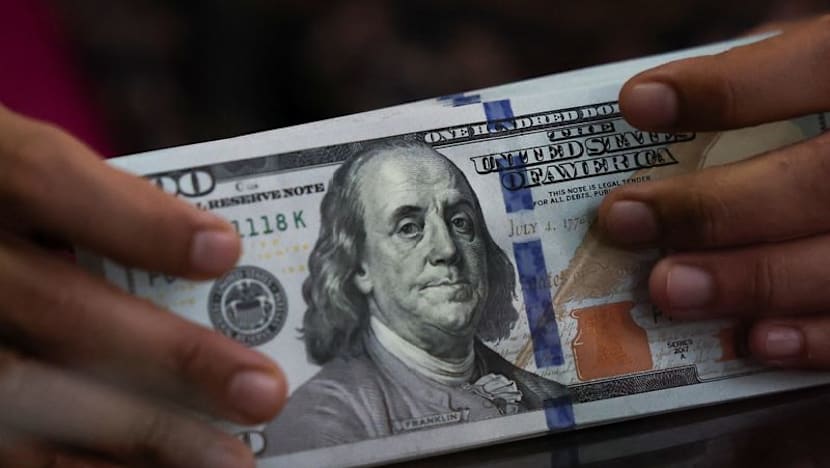
The US dollar has climbed towards its highest point in 18 months, while the euro has lagged behind as bond yields rise once more. Minutes from the US Federal Reserve revealed that policymakers deemed inflation to be the most significant risk to their outlook. Higher oil prices and rising bond yields in the eurozone have put pressure on the euro.
The gap in yields between German bonds and those of more indebted countries in the eurozone, like France and Italy, has contributed to the euro's decline to its lowest level since May 2025. French government bonds have been particularly impacted due to concerns about France's worsening fiscal situation, especially ahead of the 2027 presidential election.
Tommy von Bromsen, an FX strategist at Handelsbanken, noted that the euro-dollar relationship is not solely driven by the dollar's strength but also by the euro's weakness stemming from the political climate in France. The euro experienced a 0.2 percent decrease against the US dollar, settling at US$1.1174, nearing its lowest point in 17 months.
The spread between German and French 10-year yields, which serves as a gauge for the risk premium attached to France, widened by five basis points. The US dollar index, measuring its strength against a basket of six currencies, including the euro, rose 0.2 percent to 102.40, following a 0.4 percent increase the previous day. The dollar remains within a few pips of its strongest levels since April 9, 2025, since the market turmoil following US President Donald Trump's so-called "Liberation Day" tariff announcement.
At the US central bank's meeting on September 15-16, policymakers unanimously agreed to raise interest rates by a quarter of a percentage point. The minutes from that meeting, released on Wednesday, suggested that further rate hikes might be necessary. While the minutes did not alter expectations that the Fed would maintain rates at its next meeting in October, Fed funds futures indicate an 80 percent probability that the US central bank would keep rates on hold at its subsequent two-day meeting ending on October 28, with a rate hike in December already priced in.
Against the Japanese yen, the US dollar climbed 0.1 percent to 158.27. This marks a reversal from a brief dip after data released on Thursday showed that Japan's current account surplus in August was 4.062 trillion yen, higher than the median forecast of 3.19 trillion yen. The Australian dollar fell 0.3 percent to US$0.6943, while the New Zealand dollar decreased 0.2 percent to US$0.5588. The US dollar remained unchanged at 6.7050 against the Chinese renminbi in offshore trade.
Written by urgent.news from The Business Times - Companies & Markets's reporting — not their text. Machine-written — may contain errors; check the original before relying on it.
This story
This is one outlet's version. Read the fullest account.