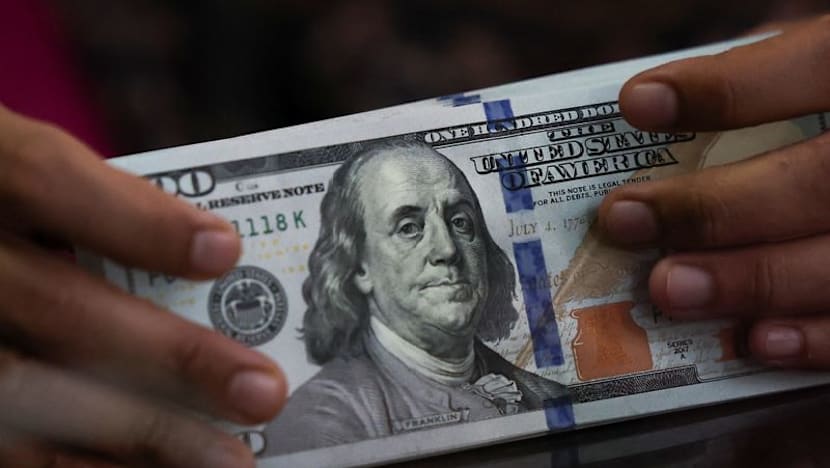
RBI rate hike will not stem outflows, leaving central bank in a bind
India’s first RBI rate hike in four years may not stop record capital outflows or ease pressure on the rupee, which has fallen 7% this year. Foreign investors have withdrawn $30 billion from Indian equities, while rising hedging costs and narrowing India-US rate differentials threaten the appeal of Indian stocks and bonds amid higher global yields, oil prices and inflation.
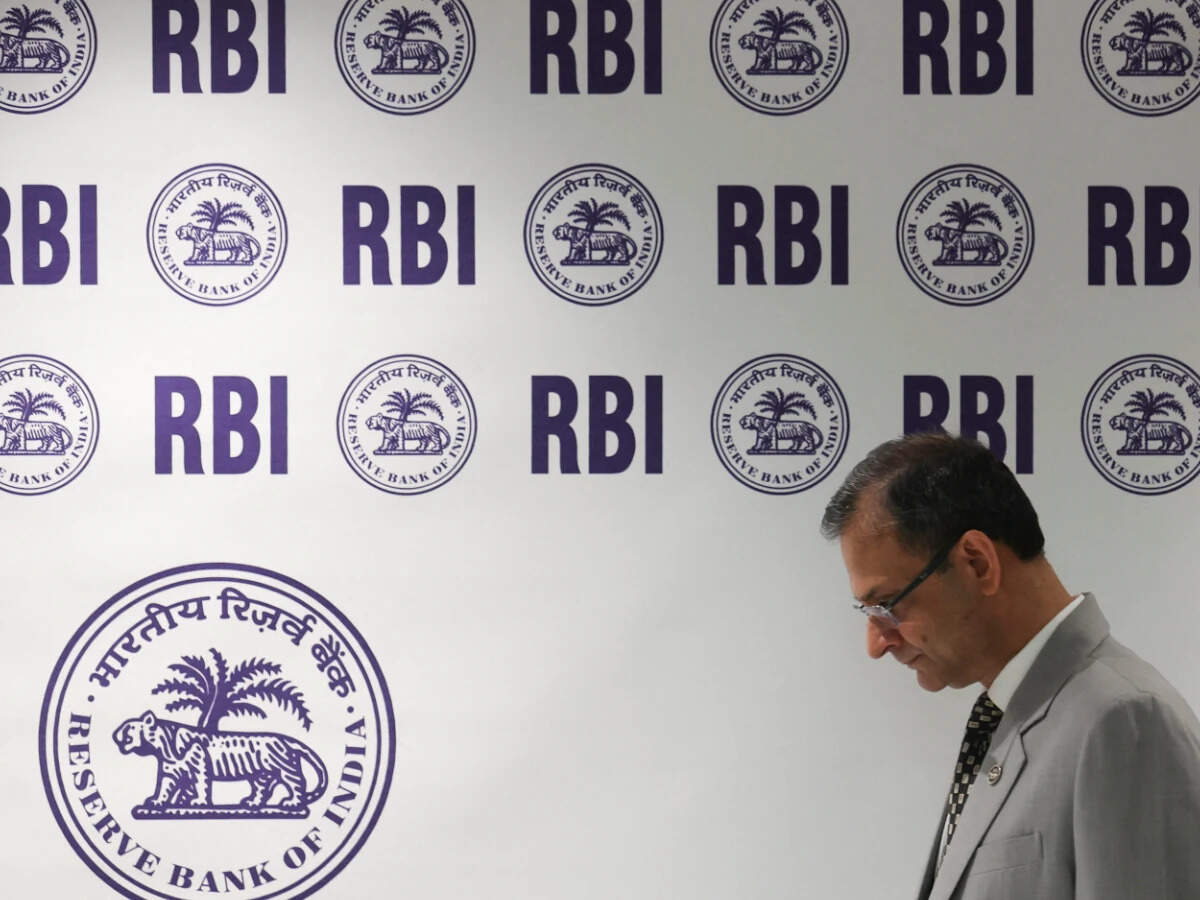
The Reserve Bank of India recently increased its key interest rate by 25 basis points, marking the first hike in four years. Despite signs of further increases on the horizon, experts are skeptical that this modest hike will significantly curb the outflow of capital from the country or alleviate the weakening rupee. In fact, some argue that the central bank could have been more aggressive in its approach to stabilize the currency.
The rupee has experienced a steep decline of 7% this year and has now fallen close to its all-time low of 96.96 against the US dollar following the RBI's decision. Foreign investors have pulled a record $30 billion from Indian equities and debt flows have turned negative since the beginning of September, indicating a challenging environment for Indian assets.
Written by urgent.news from The Economic Times - Economy's reporting — not their text. Machine-written — may contain errors; check the original before relying on it.